0%

Choosing Aluminium Windows & Doors is not just a matter of colour or price. Frame quality, glass performance, installation, and after-sales support all affect how the products perform over time. A slim frame may look elegant in a showroom, but it must also suit your climate, building design, and daily needs.

This guide presents ten practical tips to help you compare options with greater confidence. Check thermal performance, drainage details, hardware, finish, warranties, and the installer’s experience. Ask for clear specifications, not broad promises. Small details matter. A sample corner or finish swatch can reveal differences that a catalogue photo hides.

Measurements deserve particular care. Measure twice. Confirm who is responsible for the final site check, since an attractive product can still cause problems if it does not fit the opening. Compare quotes on the same basis, including glazing, delivery, and installation. The cheapest offer may leave important items out; the most expensive is not automatically the best. Some priorities will compete, and there may be no perfect choice. A larger glazed area can bring in more daylight, yet it may affect heat gain, privacy, or cost. Consider the whole project before deciding. These tips are intended to make the questions clearer, not replace project-specific advice from a qualified supplier or installer.
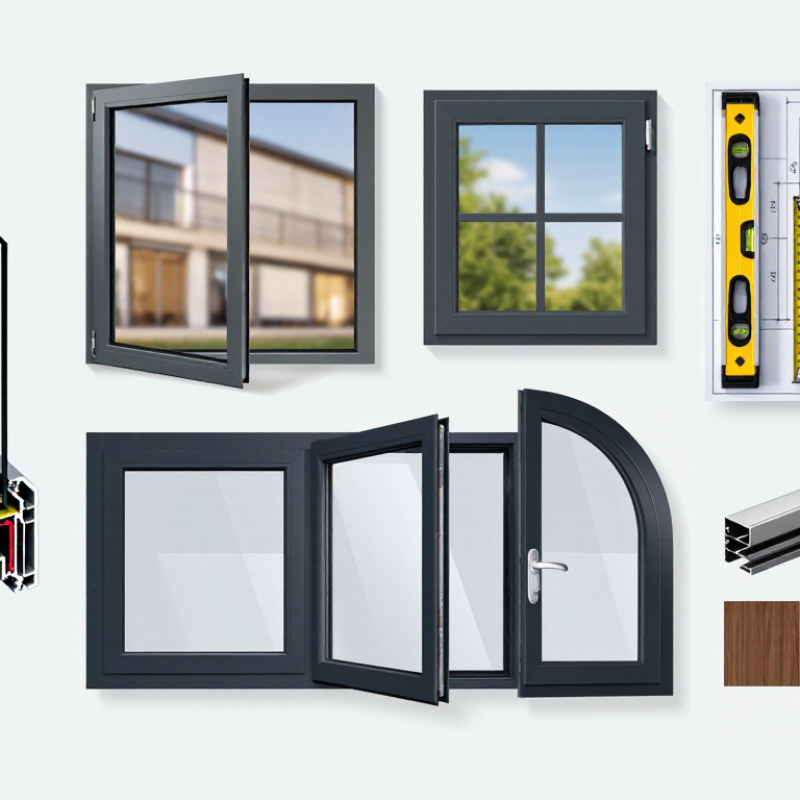
10 Tips for Buying Aluminium Windows and Doors

Define Your Needs, Openings, and Budget

Before comparing aluminium windows and doors, write down what each opening must do. A west-facing living-room window may need glare control, while a narrow bathroom opening may need privacy and ventilation. Note whether you are replacing a unit or changing the opening size. Measure width and height at several points, but treat these figures as planning notes, not order dimensions. Site conditions can surprise you.

Energy performance deserves a place in the brief. The U.S. Department of Energy’s Energy Saver guidance estimates that windows account for 25–30% of residential heating and cooling energy use. ENERGY STAR reports that replacing single-pane windows with certified products can save an average of 12% on household energy bills nationwide. Results vary by climate and home. Ask suppliers for the U-factor and solar heat gain coefficient, and compare suitable glazing options rather than choosing by frame material alone.

Set a budget that includes more than the units. Allow for installation, flashing, trim, hardware, disposal, and repairs to the surrounding wall; these costs are easy to overlook. Request itemised quotes with matching specifications, then keep a contingency for hidden damage. A tidy spreadsheet helps, but it cannot reveal every uneven sill or out-of-square opening. Measure twice.

Compare Frame Profiles and Thermal Performance

When comparing aluminium frame profiles, look beyond the visible width. A slim section can admit more daylight, but it may leave less room for thermal breaks, drainage channels, and strong hardware. Check the frame depth and the size of its thermal break. This insulating barrier separates the inner and outer aluminium surfaces, helping limit heat transfer and reduce cold spots near the frame.

Small detail. Ask for the whole-window U-value, not just the centre-of-glass figure. The frame, glazing, and spacers all affect performance.

Then compare profiles under the same conditions. A deeper frame is not automatically more efficient; glazing choice and airtight seals matter too. Look for test data that identifies the window configuration, rather than a broad claim about a product range. On a sample, inspect corner joints and gaskets, and ask how the frame handles water drainage.

A display piece can look reassuring, yet installation gaps may undermine its performance. That part is easy to overlook. Consider your climate and orientation: a cold, windy exposure may call for different priorities than a shaded room.

It is tempting to choose the narrowest profile, but a slightly wider frame may offer better insulation or stiffness. Compare the figures, then confirm that the selected system suits the opening and installation details.

Choose Glazing for Safety, Comfort, and Efficiency

When comparing aluminium windows and doors, start with the glass, not just the frame. The U.S. Department of Energy estimates that windows account for 25–30% of residential heating and cooling energy use (Energy Saver, “Update or Replace Windows”). That makes U-factor and solar heat gain coefficient worth checking on the National Fenestration Rating Council label. Lower U-factor generally means less heat transfer; the best SHGC depends on climate, orientation, and shading. A sunny west-facing room may need a different balance than a shaded north-facing one.

Safety deserves equal attention. Ask whether glass near doors, stairs, or low floors should be tempered or laminated, and check local building requirements. Tempered glass breaks into smaller fragments; laminated glass holds pieces together after breakage. Neither choice removes every risk. For busy homes, a clear safety mark and written product specifications are more useful than a vague “impact-resistant” claim. Think about how the door is actually used: a narrow sidelight beside an entrance may need more care than a high window above a counter.

For comfort, consider double glazing, low-emissivity coatings, and warm-edge spacers alongside the aluminium frame’s thermal break. NFRC ratings help compare whole-window performance, but installation still matters. A small gap around the frame can invite drafts and condensation. I’ve seen specifications look excellent on paper, yet the room still feels cold near a poorly sealed opening. That detail is easy to overlook. Ask for the rated whole-window figures, not just glass-only values, and check that the installer will seal the perimeter properly.

Check Weather Seals, Security Features, and Certifications

Weather seals deserve more than a quick glance. Press gently along the gasket and check that it sits evenly at the corners, where gaps often appear. Look for continuous seals around opening panels and a close fit at the threshold. If possible, close the sample window and feel for uneven pressure. A smooth handle is not proof of a good seal. Ask how the unit was tested for air and water resistance, and whether the test conditions suit your local weather. Installation matters too; even a well-made frame can leak if the opening is poorly prepared.

Check security features while operating the door or window. Try each lock point, inspect the hinges, and ask how the frame is fixed to the wall. Glazing retention and accessible hardware also affect security, though details vary by design. Certifications can help, but verify the exact product model, test scope, issuing organization, and date. A certificate for one configuration may not cover another. Keep the paperwork. It is tempting to trust a label alone, and I would not. Compare the stated performance with the actual dimensions and options you plan to order.

Evaluate Installation Quality, Warranties, and Total Cost

Installation quality can decide whether aluminium windows perform as promised. Check that frames sit square, drainage paths remain open, and seals meet the wall without gaps. Ask who installs the units and whether the quote includes flashing, interior trim, removal, and cleanup. Small gaps matter. The U.S. Department of Energy notes that windows account for 25–30% of residential heating and cooling energy use. That figure makes careful installation more than a cosmetic concern.

Tips: Before signing, request a written installation scope and inspect a completed project, especially corners, sill edges, and sealant lines. Compare warranties for finish fading, hardware, glass, and labor; these may have different coverage periods. Read exclusions closely. A product warranty may not cover damage caused by poor installation.

Compare total installed cost, not frame price alone. Include delivery, access equipment, disposal, maintenance, and likely repair costs. ENERGY STAR reports that replacing single-pane windows with certified models can save an average of 13% on energy bills; actual savings vary by climate, home, and installation. Aluminium frames with thermal breaks can improve insulation, but specifications matter more than the label. A low quote may still be reasonable, or simply incomplete. Ask for itemized figures and keep the answer in writing.

FAQS

What should I decide before comparing aluminium windows and doors?

Write down each opening’s purpose, orientation, privacy needs, and ventilation needs. A west-facing living-room window may need glare control. Note whether you are replacing a unit or changing its size. Measure several points, but treat those measurements as planning notes. Measure twice.

Which energy ratings should I compare?

Ask for the whole-window U-factor and solar heat gain coefficient. A lower U-factor generally means less heat transfer. The suitable solar heat gain depends on climate, direction, and shading. Glass choice matters as much as the frame.

What glazing options can improve comfort?

Consider double glazing, low-emissivity coatings, warm-edge spacers, and a frame with a thermal break. Compare complete window ratings, not glass-only figures. Even strong specifications can disappoint if the perimeter is poorly sealed.

How should I choose glass for safety?

Ask whether glass near doors, stairs, or low floors should be tempered or laminated. Tempered glass breaks into smaller pieces; laminated glass holds fragments together. Neither removes every risk. Check the written specifications.

What installation details should I inspect?

Check that frames are square, drainage paths remain open, and seals meet the wall without gaps. Look closely at corners, sill edges, and sealant lines. Small gaps matter.

What should an installation quote include?

Request itemized costs for installation, flashing, trim, hardware, removal, disposal, and wall repairs. Ask who will install the units and handle cleanup. Keep the scope in writing. A low quote may simply omit details.

How can I compare warranties fairly?

Review coverage for finish fading, hardware, glass, and labor separately. Check exclusions, since poor installation may not be covered by a product warranty. I would not assume one warranty protects everything.

What costs are easy to overlook?

Include delivery, access equipment, disposal, maintenance, and possible repairs. Keep a contingency for hidden damage or an uneven sill. A spreadsheet helps, but it cannot show every site problem. Actual energy savings also vary by home, climate, and installation.

Conclusion

Choosing Aluminium Windows & Doors starts with understanding your room layouts, opening sizes, practical needs, and budget. Compare frame profiles for strength, appearance, and thermal performance, and consider how glazing options can improve comfort, reduce heat loss, and provide suitable safety. Look beyond the glass and frames: reliable weather seals, secure locking features, and relevant product certifications can contribute to durability and peace of mind.

A good purchase also depends on careful installation and clear warranty terms. Ask how the work will be completed, what is covered if a problem arises, and whether the quotation includes all necessary components and finishing. Comparing the total cost—not just the initial price—helps you assess long-term value. By weighing these factors together, you can select windows and doors that suit your home, perform well in changing conditions, and fit your budget.

Evelyn

Evelyn

Evelyn is a seasoned marketing professional with a strong understanding of product strategy, customer needs, and effective digital communication. As a key contributor to the company’s content and marketing initiatives, she regularly writes and updates the corporate blog, sharing practical insights,......