Aluminium Doors And Windows shape how a building looks, feels, and performs. Slim frames can open up a room to daylight. Thermal breaks, glazing choices, seals, and hardware influence comfort, noise, and upkeep. Small details matter.
Architect Ludwig Mies van der Rohe’s oft-quoted reminder, “God is in the details,” offers a useful lens for comparing window and door systems. It is not a technical specification. Still, it points to what buyers should inspect: corner joints, drainage paths, finish consistency, locking mechanisms, and the way a sash closes. A sleek photograph cannot show everything.
This guide introduces 10 suppliers serving markets around the world. It considers product range, customization, documented performance, quality controls, and after-sales support. These factors help readers ask better questions, not make a purchase decision on their behalf. Specifications and testing requirements vary by climate and market, so verify local suitability with the supplier and a qualified project professional.
A polished catalogue is not proof of long-term performance. Neither is a famous brand name. Ask for current technical data, warranty terms, and examples of comparable installations. Then check who will handle delivery, installation guidance, and service if a component needs attention. The strongest supplier is not always the largest. Fit matters.
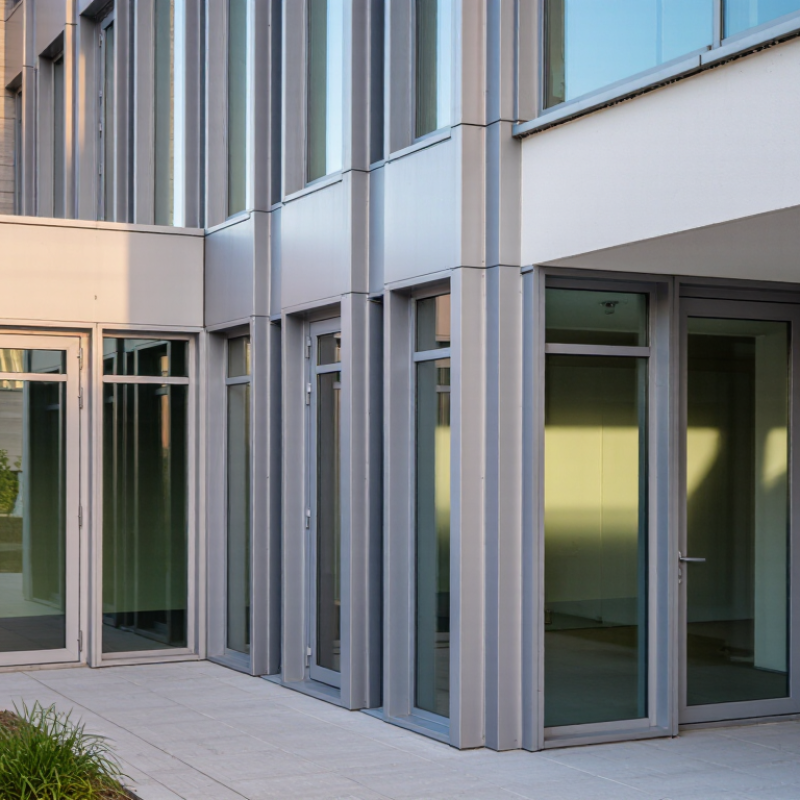
What Aluminium Door and Window Suppliers Provide
Aluminium door and window suppliers provide frame systems, glazing options, hardware, and technical guidance. Their range may include sliding doors, hinged entrances, fixed windows, and tilt-and-turn units. For each opening, buyers can discuss dimensions, frame finishes, glass thickness, and opening direction. Thermal breaks may improve insulation, while suitable seals and drainage paths help manage drafts and rain. Small details matter.
Suppliers may also prepare shop drawings, product schedules, and installation instructions. Ask for performance data covering air leakage, water resistance, wind load, and thermal values; requirements differ by project and climate. A useful supplier checks measurements, explains compatible hardware, and identifies limits before production. Still, a brochure cannot reveal every site condition. A sill that looks level on paper may meet uneven masonry in practice. Clarify who verifies openings, handles delivery damage, and provides replacement parts. Warranty terms and lead times should be written down, not left to a quick call. Even experienced teams can miss a detail, so a clear review of drawings before fabrication is worth the extra time.
10 Best Aluminium Doors and Windows Suppliers Worldwide? - What Aluminium Door and Window Suppliers Provide
| Supplier offering | What is typically provided | Common options or details | What buyers should verify |
|---|---|---|---|
| Aluminium windows | Window frames and, depending on the supplier, glazed or unglazed units. | Casement, sliding, tilt-and-turn, fixed, and other locally available styles. | Opening direction, dimensions, glazing specification, hardware, and applicable local performance requirements. |
| Aluminium doors | Door frames and configurations for residential or commercial openings. | Sliding, hinged, folding, and entrance-door designs, subject to the supplier’s range. | Clear opening, threshold design, security hardware, glazing, and intended use. |
| Thermally broken frames | Frame systems incorporating a non-metallic barrier between interior and exterior aluminium sections. | System designs vary; some are intended to reduce heat transfer through the frame. | Ask for whole-window or whole-door thermal data, not just a description of the frame. |
| Glazing options | Glass supplied as part of a finished unit or specified separately, depending on the offer. | Single, double, or triple glazing; safety, acoustic, solar-control, and low-emissivity glass may be available. | Glass build-up, safety classification, energy data, and compatibility with the frame system. |
| Finishes and colours | Finished aluminium profiles selected for appearance and the project environment. | Powder-coated colours, anodised finishes, and different interior and exterior finishes may be offered. | Finish specification, colour samples, warranty conditions, and suitability for the exposure location. |
| Custom sizing and fabrication | Made-to-order units or fabricated frames for project-specific openings. | Non-standard dimensions, configurations, and detailing depend on the system and production capability. | Confirm site-measurement responsibility, approved drawings, tolerances, and lead time. |
| Hardware and accessories | Operating hardware and compatible components for the selected door or window system. | Handles, hinges, locks, rollers, restrictors, weather seals, and insect screens may be available. | Hardware material, security features, replacement availability, and maintenance requirements. |
| Performance documentation | Product data and test or certification documents where available for the specified configuration. | Documents may cover air leakage, water resistance, wind load, thermal performance, or acoustics. | Check test scope, standards, ratings, and whether results apply to the exact size and configuration ordered. |
| Delivery and installation support | Delivery, installation, technical guidance, or coordination may be offered depending on location and contract. | Services can range from product-only supply to installation and project support. | Clarify delivery terms, installation scope, site preparation, responsibility for sealing, and after-sales support. |
| Warranty and after-sales service | Written warranty terms and support for defects, adjustments, or replacement parts, as applicable. | Coverage periods and exclusions differ by product, finish, glass, hardware, and market. | Review coverage, exclusions, maintenance conditions, claim process, and local service availability. |
FAQS
They may provide sliding doors, hinged entrances, fixed windows, glazing, hardware, drawings, and installation guidance. Ask about dimensions, finishes, glass thickness, and opening direction.
Request test data for air leakage, water resistance, wind load, and thermal performance. Acoustic data may matter near busy roads. Check that reports match the proposed frame and glass.
Open and lock it several times. Inspect the coating, seals, joints, and drainage slots. Small flaws matter.
It should list specifications, exclusions, lead times, packaging, warranty terms, and replacement-part availability. Get these details in writing, not just by phone.
Drawings help confirm dimensions, hardware compatibility, and opening direction. A level sill on paper may meet uneven masonry on site. That detail is easy to miss.
Compare matching products and test results, not catalogue claims alone. Ask for references from similar climates and verify what was delivered.
No. A visit or independent inspection can reveal production practices, but neither guarantees every shipment will be flawless. That is worth remembering.
Clarify who verifies openings, handles delivery damage, and supplies replacement parts. A careful site check helps, but it cannot fix unclear responsibilities.
Conclusion
This article explains the role of aluminium door and window suppliers, from providing frames, glazing options, finishes, and hardware to offering technical guidance and project support. It outlines practical ways to evaluate suppliers in the global market, including examining manufacturing capabilities, quality controls, product certifications, customization options, delivery reliability, and after-sales service. It also introduces ten notable suppliers as examples of the range of expertise and solutions available to buyers, without treating any single provider as suitable for every project.
A comparison of product ranges, quality standards, and services can help clarify the differences between suppliers and identify options that meet a project’s requirements. The article concludes with guidance on choosing a supplier by considering design needs, performance expectations, budget, project scale, and communication throughout the purchasing process. Careful assessment can help buyers select Aluminium Doors And Windows that balance durability, appearance, functionality, and long-term support.