Choosing the best Aluminum Door in 2026 requires more than comparing colors, prices, and glossy product photos. A reliable choice should match your climate, building design, security needs, and daily habits. In a coastal home, corrosion-resistant finishes may matter more than decorative details. In a cold region, thermal breaks, insulated glass, and verified energy ratings deserve careful attention. Not every attractive door performs equally well.
Real-world experience shows that small details often decide long-term satisfaction. Check the frame thickness, hardware quality, drainage design, weather seals, and installation method. Ask manufacturers for test results, warranty terms, maintenance guidance, and evidence of compliance with recognized building standards. Independent reviews can help, but they should not replace professional advice or accurate site measurements. A door that fits poorly may allow drafts, water, and noise, even when its specifications look impressive.
There is no universal best option. A premium system may offer smoother operation and stronger insulation, yet exceed a modest renovation budget. A lower-cost model may seem practical, but replacement hardware can become expensive later. I have found that buyers sometimes focus too heavily on appearance. That is an easy mistake. Consider how the door feels after hundreds of openings, rainy seasons, and years of sunlight. This guide will examine materials, performance, security, maintenance, installation, and value, helping you make a more informed decision for 2026. Some recommendations may not fit every project. Recheck the details before ordering.
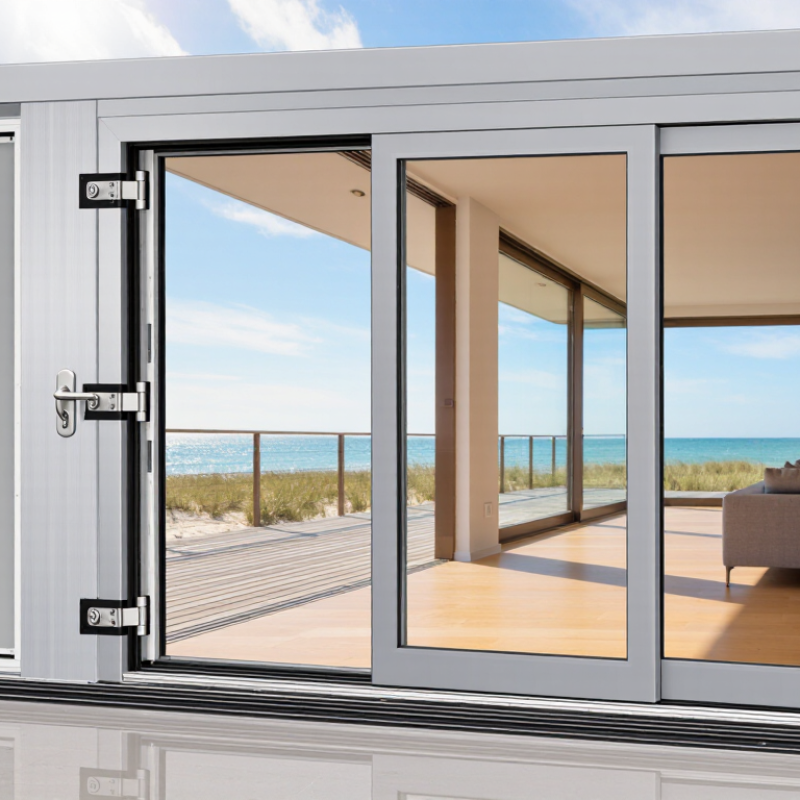
What to Know About Aluminum Door Types and Their Main Uses
How to Choose the Best Aluminum Door in 2026?
Aluminum doors come in several forms, and each suits a different daily task. Hinged doors work well for bedrooms, offices, and main entrances. They open widely and usually provide a firm seal. Sliding doors save floor space and frame patios, balconies, or narrow corridors. Their rollers need careful inspection because dirt can affect movement. Folding doors create broad openings for restaurants and garden rooms. However, their hardware may require more adjustment over time.
Pivot doors make a strong architectural statement in large entryways. They need accurate floor support and enough clearance to swing safely. For cold or hot climates, choose thermally broken aluminum frames. These frames reduce heat transfer through the metal. Double or triple glazing can improve comfort, but glass weight affects hinges and rollers. Ask about drainage paths, gasket quality, corrosion protection, and tested air leakage.
Use measurements from the finished wall, not rough assumptions. Check sunlight, wind exposure, cleaning access, and expected traffic. A light residential door may fail in a busy commercial entrance. A heavy door may feel unnecessary at home. Appearance can distract from practical details. I would also question vague performance claims without test documents. Installation matters as much as the frame, and even a well-designed door can leak when fitted carelessly. Small defects become obvious during heavy rain.
How to Choose the Best Aluminum Door in 2026? — Aluminum Door Types and Their Main Uses
| Aluminum Door Type | Main Uses | Opening Method | Typical Opening Configuration | Key Performance Considerations | Main Advantages | Potential Limitations |
|---|---|---|---|---|---|---|
| Hinged Door | Entryways Balconies Utility Rooms | Swings inward or outward on side hinges. | Single or double leaf; commonly used for openings from approximately 700 to 1,800 mm wide, depending on the system. | Look for multi-point locking, weather seals, an insulated frame, and a low U-value when energy efficiency is important. | Simple operation, strong weather sealing, easy access, and broad hardware compatibility. | Requires clear floor space for the door swing and may restrict furniture placement near the opening. |
| Sliding Door | Patios Terraces Compact Rooms | Moves horizontally along top and bottom or concealed tracks. | Usually two, three, or four panels; suitable for wide openings while preserving usable interior floor space. | Track drainage, roller capacity, air tightness, glass size, and frame thermal breaks are important factors. | Space-efficient, provides broad views, and creates a large glazed connection to outdoor areas. | Track maintenance is required; standard sliding systems may provide less compression sealing than hinged doors. |
| Lift-and-Slide Door | Large Glazed Walls Luxury Homes Commercial Spaces | The handle lifts the panel slightly off the seals before it slides. | Designed for large and heavy panels; panel size and weight depend on the selected hardware and system limits. | High-quality rollers, structural support, drainage, air and water resistance, and glass weight must be assessed together. | Allows very large panels to be moved with relatively low operating force and can offer improved sealing when closed. | Usually costs more than standard sliding doors and requires accurate installation and a properly supported track. |
| Bi-Fold Door | Gardens Restaurants Entertainment Areas | Multiple panels fold and stack to one or both sides of the opening. | Commonly two to seven or more panels, depending on the system; can open a high proportion of the wall width. | Check panel alignment, top-hung or bottom-rolling design, hardware load, weather seals, and threshold height. | Creates a wide opening and offers flexible ventilation and indoor-outdoor movement. | More hinges, rollers, and seals require maintenance; the stacked panels still occupy side space. |
| Pivot Door | Main Entrances Architectural Projects Showrooms | Rotates around vertical pivot hardware positioned away from the jamb. | Suitable for wide or tall entrance leaves when the structure and pivot hardware are engineered for the load. | Structural support, closer capacity, wind exposure, threshold design, and the door's overall weight are critical. | Distinctive appearance, smooth movement for large leaves, and strong design flexibility. | Needs a larger clearance zone and may provide more challenging weather sealing than a conventional hinged door. |
| Thermally Broken Door | Cold Climates Hot Climates Energy-Efficient Buildings | Can be hinged, sliding, bi-fold, or another operating style. | Configuration varies by the selected door system; the thermal break is incorporated into the aluminum frame. | Choose insulated profiles, suitable low-emissivity glazing, warm-edge spacers where available, and tested air and water performance. | Reduces heat transfer through the frame and helps limit interior condensation compared with non-thermally broken aluminum. | Generally costs more and may require thicker frames, specialized components, and careful installation. |
| Non-Thermally Broken Door | Interior Areas Mild Climates Unconditioned Spaces | Usually available as hinged, sliding, or lightweight commercial-style doors. | Often used for interior partitions, storage rooms, garages, and areas where thermal insulation is not a primary requirement. | Evaluate condensation risk, local climate, exposure to rain, and the separation between conditioned and unconditioned areas. | Lightweight, economical, durable, and suitable for many low-insulation applications. | Transfers heat more readily and can develop condensation in cold or humid conditions when used between conditioned spaces. |
| Fire-Rated Aluminum Door | Public Buildings Stairwells Protected Corridors | Usually hinged, with a self-closing and latching arrangement. | Single or paired leaves selected according to the required tested door assembly and opening size. | Must be installed as a complete tested assembly with compatible frame, glazing, seals, hardware, and labeling. | Can provide transparent fire compartmentation while maintaining light transmission and a modern appearance. | Fire rating is not determined by the aluminum frame alone; certification, installation, and ongoing hardware maintenance are essential. |
| Security or Entrance Door | Residential Entrances Offices Retail Premises | Most commonly hinged, with optional automatic access control. | Single or double leaf, with configuration based on traffic levels, accessibility needs, and security requirements. | Consider multi-point locks, cylinder protection, laminated glass, reinforced hinges, door closers, and tested resistance ratings. | Supports controlled access, durable daily use, and integration with access-control equipment. | Additional security hardware can increase weight, cost, and maintenance requirements. |
FAQS
Hinged doors suit bedrooms, offices, and main entrances. Sliding doors save floor space beside patios or narrow corridors. Folding doors create wide openings in garden rooms. Pivot doors need large entryways and safe swing clearance.
A thermal break separates indoor and outdoor aluminum sections. It reduces heat transfer and surface condensation. This matters in very hot or cold climates. Do not assume thicker aluminum provides better insulation.
Measure the finished wall at the top, middle, and bottom. Record width, height, wall thickness, and swing direction. Small errors can cause expensive fitting problems. Rough guesses are not enough.
Double glazing may suit mild climates. Triple glazing can improve insulation in colder rooms. Laminated glass helps retain safer pieces after breakage. Tempered glass resists impacts, but it can still fail unexpectedly.
Check alloy information, protective coatings, drainage paths, corner joints, seals, and hardware alignment. Deeper frames may improve stability for wide doors. Small details often reveal more than a bright showroom.
Ask for thermal values, air leakage results, water resistance records, and wind-load data. Request written evidence instead of vague claims. Laboratory results may not match an exposed wall. That uncertainty matters.
Check hinges, locks, seals, thresholds, frame corners, and drainage holes. Drainage holes should remain open and face outside. Seals should look continuous, without gaps or crushed sections. Look closely.
Watch the frame with a level during installation. Confirm anchoring, shims, expansion gaps, and weather sealing. The door should open smoothly and meet seals evenly. Test the lock several times.
Consider sunlight, wind exposure, cleaning access, and expected traffic. A light residential door may struggle in a busy entrance. A heavy door may feel unnecessary at home. Appearance can distract from practical limits.
Listen for rubbing and inspect the interior corners after rain. Look for moisture near the threshold. Careless fitting can make an attractive door perform poorly. I would leave room for doubt.
Conclusion
Choosing the best Aluminum Door in 2026 requires more than focusing on appearance. Homeowners should first understand the main door types and their suitable applications, including entry doors, patio doors, sliding systems, folding designs, and large glass openings. Comparing frame construction, aluminum quality, thermal breaks, glass options, finishes, and hardware can help identify a door that offers the right balance of style, strength, insulation, and maintenance needs.
Performance is equally important. Look for features that improve security, weather resistance, energy efficiency, sound control, and long-term durability. The ideal choice should match the home’s architectural style, local climate, exposure to sunlight or moisture, and available budget. Before purchasing, confirm measurements, opening direction, installation requirements, warranty terms, drainage design, and compliance with applicable building standards. Careful planning and professional installation can help ensure that an Aluminum Door performs reliably and remains attractive for many years.