Aluminium Windows Prices can look straightforward on a supplier’s quote, yet comparing them worldwide requires more than converting currencies. A window priced at $600 in one market may differ in frame depth, glazing, hardware, finish, and installation scope from a $600 product elsewhere. Even the same specification can arrive with different freight, energy, labor, and import costs. The details matter.
Industry reports help explain these differences, though they do not provide a universal window-price index. The International Aluminium Institute reports that recycling aluminium requires around 5% of the energy used to produce primary aluminium. This helps explain why recycled content and local supply chains may affect manufacturing costs, but it does not predict a finished window’s retail price. Turner & Townsend’s International Construction Market Survey tracks construction cost pressures across markets, offering useful context for labor and material comparisons. Its broader market data should not be mistaken for a direct comparison of window products.
A fair comparison starts with matching specifications: frame dimensions, thermal performance, glass build-up, opening style, finish, and included installation. Then separate product price from shipping, taxes, warranty, and fitting. Small differences matter. A low quote may exclude the sill, delivery, or site measurement. That comparison is imperfect, too. Prices and exchange rates change, while published reports often cover broad construction categories rather than individual window models. This guide uses those sources as context and treats supplier quotations as market-specific evidence, not universal benchmarks.
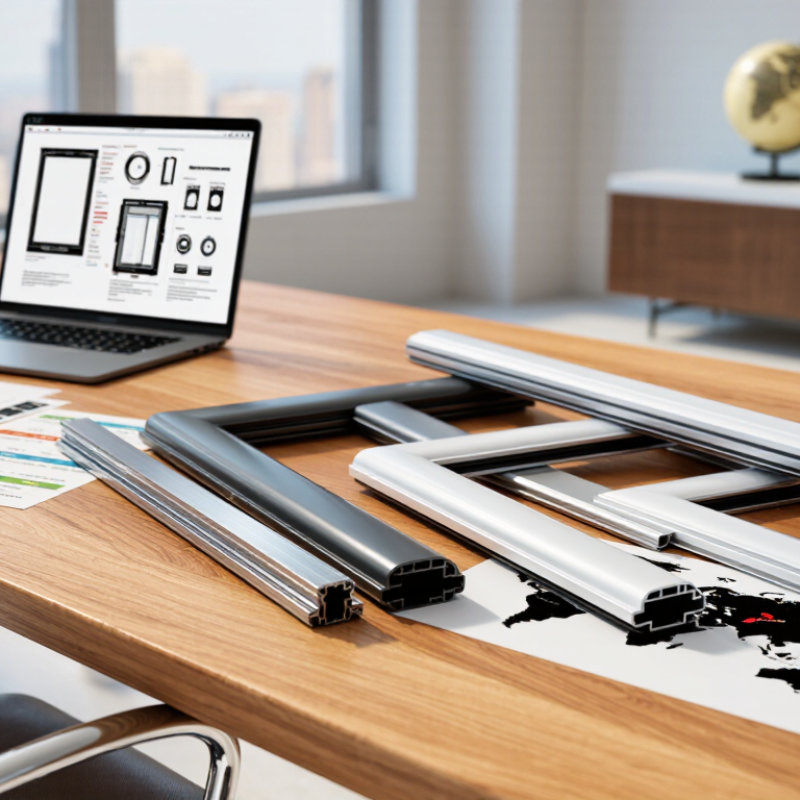
Define Window Specifications and the Scope of Comparison
Before comparing aluminium window prices worldwide, define the product precisely. A “standard window” can mean very different things. Record the frame width and height, opening style, and number of panels. Specify whether the frame has a thermal break and describe the glazing, including pane count and glass thickness. Include the finish, color, screens, locks, and handles. Small details matter. A slim fixed window is not a fair match for a large opening window with upgraded glass. Price tables can mislead when these details are missing.
Set the comparison scope just as carefully. Confirm whether each quote covers the window only or also packaging, freight, installation, sealants, and removal of old frames. Check the currency, tax treatment, delivery location, and estimated lead time. These items can change the final cost substantially. Keep the assumptions in writing, preferably in one shared specification sheet. Then ask suppliers to identify any exclusions or substitutions. I have found that even careful comparisons leave some uncertainty, especially when installation conditions differ between locations. Note that uncertainty rather than treating every quoted price as directly equivalent.
How to Compare Aluminium Windows Prices Worldwide - Define Window Specifications and the Scope of Comparison
Comparison basis: Indicative planning ranges for one standard, fixed-size aluminium window, priced per square metre. The figures are approximate market examples, not current supplier quotations; confirm local specifications, exchange rates, taxes, and delivery terms before comparing offers.
| Market | Reference specification | Price scope | Indicative supply-only range per m² | Commonly excluded costs | Comparison checks |
|---|---|---|---|---|---|
| United States | Fixed window, approximately 1,200 × 1,500 mm; thermally broken aluminium frame; clear double glazing, typically 24–28 mm overall glass unit; standard powder-coated finish. | Window unit supplied without installation. | US$450–850 | Sales tax, freight, installation, site measurements, flashing, and disposal of old windows. | Check whether the quoted glass and frame meet the project’s local energy-code requirements. Confirm performance ratings and whether the price is for a fixed or operable window. |
| United Kingdom | Fixed window, approximately 1,200 × 1,500 mm; thermally broken frame; double-glazed sealed unit; standard colour and finish. | Window unit supplied without fitting. | £400–750 | VAT, delivery, installation, making good, trims, and any upgraded hardware or finish. | Compare the same opening style, glazing build-up, frame depth, colour, and stated thermal performance. Separate supply-only prices from fitted prices. |
| Germany | Fixed window, approximately 1,200 × 1,500 mm; thermally broken aluminium frame; insulating double glazing; standard powder-coated finish. | Window unit supplied without installation. | €500–900 | VAT, transport, installation, connection materials, and project-specific compliance documentation. | Check the declared thermal values for the complete window, not just the glass. Confirm whether certification and delivery to the site are included. |
| Australia | Fixed window, approximately 1,200 × 1,500 mm; thermally improved aluminium frame; insulating double glazing; standard finish. | Window unit supplied without installation. | A$700–1,200 | GST, freight, installation, site-specific wind-rating upgrades, and special glazing requirements. | Check the required wind rating and glass type for the location. Coastal projects may require suitable materials and finishes for the exposure conditions. |
| United Arab Emirates | Fixed window, approximately 1,200 × 1,500 mm; thermally broken aluminium frame; double glazing; standard powder-coated finish. | Window unit supplied without installation. | AED 1,500–2,800 | VAT, delivery, installation, access equipment, project approvals, and enhanced solar-control glass. | Confirm whether the glass specification addresses solar heat gain and local project requirements. Clarify whether prices include delivery to the project site. |
| India | Fixed window, approximately 1,200 × 1,500 mm; thermally broken aluminium frame; double-glazed unit; standard finish. | Window unit supplied without installation. | ₹18,000–35,000 | GST, transport, installation, hardware upgrades, and special glass or finish options. | Verify the frame profile, glass thickness, seal details, and included accessories. Compare the same city, delivery terms, and tax treatment. |
| China | Fixed window, approximately 1,200 × 1,500 mm; thermally broken aluminium frame; insulating double glazing; standard finish. | Factory supply price for the window unit; export-related costs are not included. | CNY 900–1,800 | Export packing, inland transport, international freight, insurance, duties, taxes, and installation. | Confirm the exact profile series, glass build-up, hardware, packaging, trade term, and product test documentation. A factory price is not directly comparable with an installed local price. |
Scope note: Ranges are illustrative and can vary substantially with order size, window dimensions, opening type, frame system, glazing, colour, hardware, performance requirements, and supplier. For a fair comparison, request itemised quotations using the same drawings, specification, quantity, delivery location, and supply or installation scope. The standard reference window above is fixed; operable windows typically require additional hardware and may cost more.
FAQS
Alloy, profile depth, and wall thickness influence strength and cost. A slim frame may need different engineering.
Double or triple glazing, acoustic layers, and safety glass can raise costs. Glass weight matters.
Yes. A large sliding panel may need stronger rollers and hardware than a small awning window.
Check whether the finish is standard or custom. Custom coatings may cost more, especially for small orders.
Match dimensions, frame depth, opening style, glazing, finish, hardware, and quantity. Details matter.
Check packaging, freight, insurance, installation, taxes, and customs charges. Ask for an itemized breakdown.
Use the same exchange-rate source, and record its date. Keep bank or transfer fees separate. Rates move.
Not necessarily. Compare included services and estimated extra costs at the same delivery point. I may still miss something; price sheets cannot show installation quality.
Conclusion
Comparing Aluminium Windows Prices worldwide starts with defining the same specifications and scope for every quote. Consider window dimensions, frame design, glazing, finish, hardware, and performance requirements so that you are comparing equivalent products. Prices can vary significantly depending on these features, order quantities, manufacturing standards, and the supplier’s location.
To make a fair comparison, convert quotes into a common currency and include all relevant costs, such as packaging, shipping, insurance, duties, taxes, and installation. Check whether each quote covers the same services and delivery terms, then assess regional price differences alongside product quality, lead times, and after-sales support. The lowest initial price may not offer the best overall value; a complete cost comparison helps identify an option that fits both your budget and project needs.