0%

In 2026, aluminum windows combine slimmer profiles, improved insulation, and more flexible architectural designs. The right Aluminum Window can brighten a kitchen, frame a garden view, or protect a high-rise room from harsh weather. However, the best option depends on more than appearance. Climate, wall orientation, ventilation needs, glass performance, and installation quality all influence long-term results.

This guide examines the leading aluminum window types for modern homes and commercial spaces. Casement windows provide wide openings and controlled airflow. Sliding windows save space and suit balconies, bedrooms, and compact rooms. Tilt-and-turn designs offer practical ventilation and easier cleaning. Fixed windows deliver clear views, while folding systems can connect interiors with patios or terraces. Each style has strengths, weaknesses, and different maintenance demands.

Thermal breaks can reduce heat transfer through the frame. Low-emissivity glass may improve indoor comfort and energy performance. Strong hardware also matters, especially on large or frequently used panels. Still, appearances can mislead. A beautiful frame cannot compensate for poor drainage or careless installation. Small details matter.

Reliable recommendations should come from tested product data, experienced installers, and recognized building guidance. Local weather conditions deserve equal attention. Coastal buildings may need stronger corrosion resistance, while colder regions require careful attention to thermal insulation. No single design wins everywhere. Even expert advice can miss real household habits. This comparison therefore weighs measurable performance alongside daily experience, helping readers choose an Aluminum Window with clearer expectations for 2026.
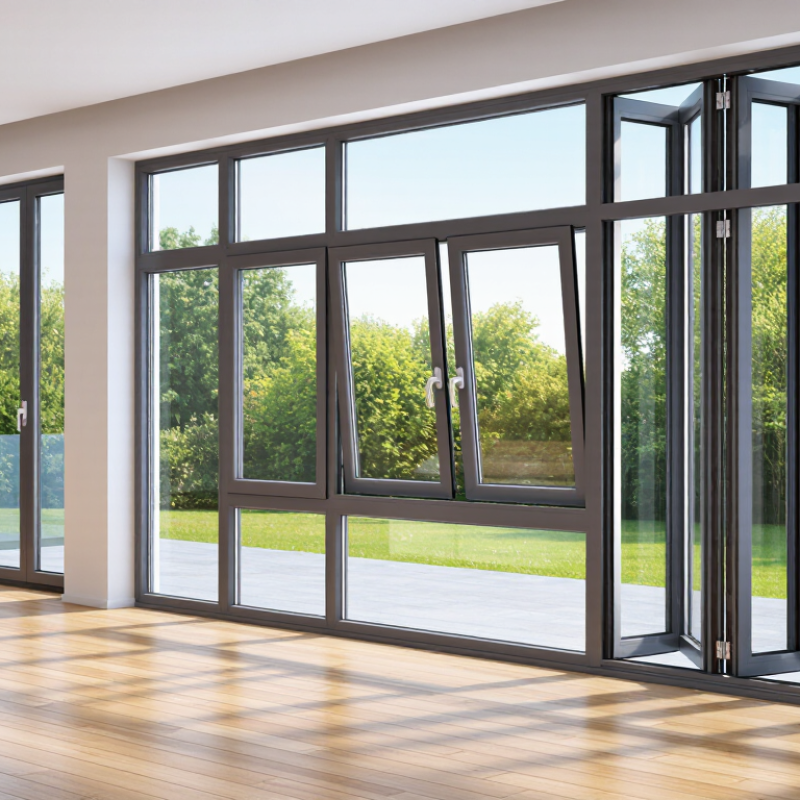
What Are the Top Aluminum Window Types for 2026?

Aluminum Window Basics: Materials, Designs, and Core Advantages

What Are the Top Aluminum Window Types for 2026?

Aluminum Window Basics: Materials, Designs, and Core Advantages

Aluminum windows remain popular because the frames are slim, rigid, and resistant to swelling. Their narrow profiles also admit more daylight. The U.S. Department of Energy reports that windows can represent 25–30% of residential heating and cooling energy use. That makes frame design and glass selection important.

Thermally broken aluminum is a strong choice for colder or hotter climates. A polyamide barrier separates the interior and exterior metal surfaces, reducing heat transfer. Casement windows usually provide tighter compression seals than basic sliding windows.

Sliding designs still suit balconies and wide openings, where smooth movement matters. Fixed windows offer strong daylight performance because they have fewer moving parts.

Double glazing remains common, while triple glazing can improve insulation in severe climates. Low-emissivity coatings and argon filling may further reduce heat flow. The National Fenestration Rating Council evaluates U-factor, solar heat gain coefficient, visible transmittance, and air leakage. Compare those figures, not appearance alone.

A thermal break is not magic. Poor installation can still create drafts, water entry, and cold interior edges.

Material sourcing also deserves attention. The Aluminum Association reports that recycled aluminum uses about 95% less energy than primary aluminum production. However, recycled content varies by supplier and project. Ask for documented percentages.

In my view, sliding windows are sometimes chosen too quickly; their convenience can hide weaker sealing performance. Good detailing around the frame may matter more than a fashionable profile.

Casement and Awning Windows: Best Uses for Ventilation and Access

For 2026, casement and awning aluminum windows remain practical choices for controlled ventilation. Their slim frames allow more glass and stronger outdoor views. Aluminum also resists warping, moisture, and daily temperature changes. I have found that a narrow opening can still create noticeable airflow. That small detail matters.

Casement windows suit bedrooms, kitchens, and living areas needing broad ventilation. Their side-hinged sash opens outward like a door. A crank handle makes operation easier beside sinks or countertops. Awning windows hinge at the top and open outward from below. They can ventilate during light rain, while the glass helps shield the interior. Place them higher on bathroom or basement walls for privacy and steady air movement.

Good performance depends on more than window style. Check the unit’s U-factor, air-leakage rating, water resistance, and hardware quality. A qualified installer should seal the perimeter carefully, especially around corners. I once underestimated this detail, and a small gap caused drafts through an entire winter. Aluminum can transfer heat quickly, so thermal breaks and insulated glass deserve attention. Coastal homes may also need corrosion-resistant finishes and regular hardware checks. Specifications help, but the surrounding wall condition can change the result.

What Are the Top Aluminum Window Types for 2026?

Casement and awning windows provide strong ventilation, while their operating direction determines the best use for access and weather protection.

The 0–100 scores are comparative functional indexes based on each window type’s real operating characteristics: casement windows open outward from one side for wide airflow and convenient reach-through access; awning windows hinge at the top, allowing ventilation while the sash helps shield the opening from light rain. Sliding and fixed windows provide less direct ventilation control, while hopper windows are more suitable for secure, limited openings.

Sliding and Folding Windows: Space-Saving Options for Modern Buildings

What Are the Top Aluminum Window Types for 2026?

Sliding and folding windows are becoming practical choices for modern buildings with limited floor space. Sliding windows move along horizontal tracks, so they do not occupy interior or exterior areas when opened. They suit balconies, compact rooms, offices, and wide living spaces. Folding windows stack against one side, creating a broader opening for ventilation and movement. This can make a small room feel noticeably larger.

Good performance depends on more than frame appearance. A thermally broken aluminum frame can reduce heat transfer between indoors and outdoors. Double or triple glazing may improve insulation, noise control, and comfort. On-site checks should also confirm wind-load resistance, drainage paths, track alignment, and secure locking points. Small installation errors can cause difficult operation later. Very small errors matter.

Sliding systems usually need less hardware and daily clearance. However, their opening area is limited because one panel remains fixed. Folding systems provide a wider opening, but hinges, rollers, and seals require careful adjustment. Dust, grit, and standing water can shorten hardware life, especially near coastal areas. Regular cleaning helps, though it is not a complete solution. Designers should also consider sill height and clear passage for accessibility. These systems are efficient, but not perfect; excessive glass can increase solar heat and cleaning demands. A careful balance between openness, insulation, shade, and maintenance often produces the most reliable result.

What Are the Top Aluminum Window Types for 2026? - Sliding and Folding Windows: Space-Saving Options for Modern Buildings

Window Type Operating Principle Typical Configuration Space Efficiency Ventilation Best Applications Main Considerations
Aluminum Sliding Window One or more sashes move horizontally along tracks. Usually two or three horizontal panels, with one or more operable sashes. Excellent; the sash remains within the frame and does not project into the room or walkway. Moderate; the effective open area is limited by the portion of the frame that remains fixed. Apartments, offices, corridors, bedrooms, balconies, and areas with limited clearance. Tracks require regular cleaning, and worn rollers can make operation difficult. Weather performance depends heavily on track and seal design.
Aluminum Lift-and-Slide Window The sash is slightly lifted from the seals before sliding, then lowered to close. Large-format panels, commonly arranged as two or more sliding leaves. Excellent; supports wide openings without requiring swing clearance. Moderate to high, depending on the number of operable panels and the frame layout. Modern residences, high-end offices, hospitality spaces, and large glazed façades. Requires accurate installation and a strong, level support structure. Hardware and large glass panels can increase project cost and weight.
Aluminum Folding Window Multiple hinged panels fold and stack to one or both sides of the opening. Typically three or more interconnected panels; configurations may open from the center or one side. Very high; can create a wide clear opening while keeping the panels grouped at the sides. High to very high when most or all panels are opened. Restaurants, cafés, retail spaces, terraces, garden rooms, and indoor–outdoor layouts. More hinges, rollers, and seals require maintenance. The stacked panels occupy side space and may reduce the uninterrupted view when closed.
Folding–Sliding Window Panels slide along a track and fold through hinged connections. A multi-panel system that can partially open for ventilation or fold fully for a broad passage. Very high; combines horizontal movement with compact side stacking. High, with flexible opening sizes suited to changing weather and occupancy needs. Flexible commercial interiors, event venues, schools, hospitality projects, and adaptable residential spaces. The track must remain clean and properly aligned. Design details should address drainage, threshold height, security, and accessibility.
Fixed + Sliding Combination Fixed glazed panels provide daylight while adjacent sashes slide horizontally. A large fixed panel paired with one or more operable sliding panels. Excellent; offers a large glazed area without adding swing clearance. Moderate; ventilation is provided by the operable section rather than the entire glazed area. Living rooms, conference rooms, façades, offices, and spaces prioritizing daylight and views. Fixed panels are generally simpler to seal, but exterior cleaning access should be considered for larger or elevated installations.

Note: Actual thermal performance, air leakage, water resistance, structural capacity, safety, and accessibility depend on the complete window system, glazing selection, hardware, installation quality, and local building requirements.

Fixed and Picture Windows: Maximizing Light, Views, and Energy Efficiency

Fixed and picture windows deserve serious attention in 2026. Their sealed design removes opening hardware and reduces potential air leakage. The U.S. Department of Energy estimates that windows account for 25–30% of residential heating and cooling energy use. That makes airtight construction important.

A picture window can create a wide, uninterrupted view of trees, rooftops, or a bright courtyard. Low-emissivity insulated glass helps limit unwanted heat transfer while preserving daylight.

The National Fenestration Rating Council uses U-factor and solar heat gain coefficient ratings to compare performance. Lower U-factor generally means better insulation. SHGC requires more judgment. Lower values can help sunny southern elevations, while higher values may benefit colder climates.

Frame design still matters. Aluminum conducts heat efficiently, so thermally broken sections can reduce interior condensation and temperature loss. Warm-edge spacers may improve the glass perimeter, where weak performance often appears. Installation can undo good specifications. The Department of Energy also identifies orientation, shading, and air leakage as major factors. In practice, oversized glazing is not automatically efficient. A west-facing picture window may need exterior shading, even with advanced glass. That detail is easy to overlook.

How to Choose the Right Aluminum Window Type for 2026 Projects

What Are the Top Aluminum Window Types for 2026?

How to Choose the Right Aluminum Window Type for 2026 Projects

Choosing an aluminum window for a 2026 project starts with the building’s real conditions. A coastal apartment needs corrosion resistance and strong seals. A quiet bedroom may need laminated glazing and tighter air control. Do not select a window from appearance alone.

Thermally broken casement windows suit energy-conscious homes because their frames reduce heat transfer. Sliding windows save space and support wide openings, but their tracks need regular cleaning. Tilt-and-turn systems offer ventilation during light rain and simplify indoor cleaning. Fixed windows provide excellent daylight and fewer moving parts. For larger openings, lift-and-slide designs can create broad views, though their hardware requires careful installation.

Check the window’s tested U-value, air leakage, water resistance, and wind performance. Ask for independent test documentation, not only sales claims. Match glazing to the orientation, local climate, shading, and cooling strategy. A low solar-gain glass may help on a west-facing wall, while a sunnier northern exposure could need a different choice. Local building requirements still control the final specification.

Installation often decides whether a good window performs well. Inspect the sill drainage, perimeter flashing, fasteners, and insulation continuity. I have seen expensive frames underperform because the surrounding seal was rushed. That detail is easy to underestimate. Also review maintenance access and replacement options before approving the schedule. The newest type may look ideal, yet a simpler window can be more reliable for the project’s actual users.

FAQS

Why are aluminum windows still popular in 2026?

Aluminum frames are slim, rigid, and resistant to swelling. They can admit more daylight through narrow profiles. They also handle moisture and temperature changes well.

What is a thermally broken aluminum window?

It contains a polyamide barrier between interior and exterior metal surfaces. This barrier reduces heat transfer through the frame. It is helpful in both cold and hot climates. It is not magic.

Which aluminum window style provides the best ventilation?

Casement windows usually provide strong ventilation and tighter compression seals. Their side-hinged panels open outward like doors. Awning windows open from below and can ventilate during light rain.

When are sliding aluminum windows a practical choice?

Sliding windows suit balconies and wide openings. They move smoothly and need little operating space. However, their sealing may be weaker than casement designs. I think they are sometimes chosen too quickly.

Are fixed aluminum windows energy efficient?

Fixed windows often perform well because they have fewer moving parts. They can provide strong daylight and fewer air-leakage paths. They cannot provide ventilation, though.

Should homeowners choose double or triple glazing?

Double glazing works for many ordinary climates. Triple glazing can improve insulation in severe climates. Low-emissivity coatings and argon filling may further reduce heat flow.

Which window ratings should buyers compare?

Compare U-factor, solar heat gain coefficient, visible transmittance, and air leakage. These figures reveal more than frame appearance. A fashionable profile may still perform poorly.

How important is installation quality?

Installation quality is critical. Poor perimeter sealing can cause drafts, water entry, and cold interior edges. A small corner gap may create noticeable winter discomfort. I underestimated this once.

Does recycled aluminum always mean a more sustainable window?

Recycled aluminum can use about 95% less energy than primary production. Recycled content varies by supplier and project. Ask for documented percentages, not general promises.

What details matter in coastal or humid locations?

Choose corrosion-resistant finishes for coastal homes. Check hardware regularly for wear or corrosion. The surrounding wall condition also affects the final result. Specifications alone are not enough.

Conclusion

In 2026, the Aluminum Window remains a versatile choice for residential, commercial, and modern architectural projects. Its lightweight yet durable material supports slim frames, long service life, low maintenance, and strong resistance to changing weather conditions. Different designs serve different needs: casement and awning windows provide excellent ventilation and convenient access, while sliding and folding windows help save space and create flexible connections between indoor and outdoor areas.

Fixed and picture windows are ideal for maximizing daylight, framing views, and improving overall energy performance when paired with suitable glazing and professional installation. Choosing the right window type depends on a project’s ventilation requirements, available space, aesthetic goals, climate, security needs, and energy-efficiency targets. By balancing function, performance, and design, planners and property owners can select aluminum windows that support comfort, durability, and the evolving demands of 2026 buildings.

Seraphina

Seraphina

Seraphina is a dedicated marketing professional with deep expertise in strategic communication, content development, and customer-focused brand growth. As a key member of the company’s marketing team, she combines industry insight with a clear understanding of customer needs to present complex......