Certified High-Security Aluminium Window Configurations
Every system is rigorously built with 6063-T5/T6 structural thermal break profiles, multi-point mushroom cam locking perimeter hardware, and multi-ply impact glazing to satisfy European CE, Australian AS2047, and North American NFRC performance protocols.
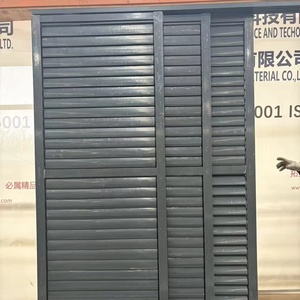 AS2047 / NFRC
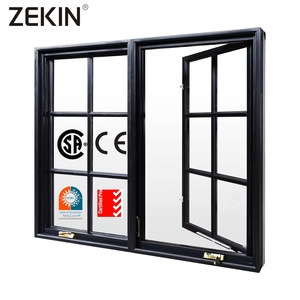 RC2 Security Rated
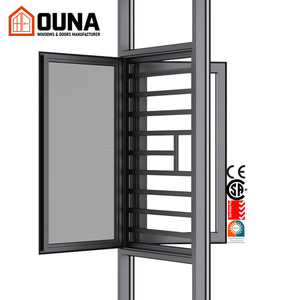 NFRC / CSA Verified
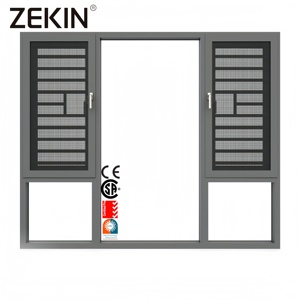 CE Certified
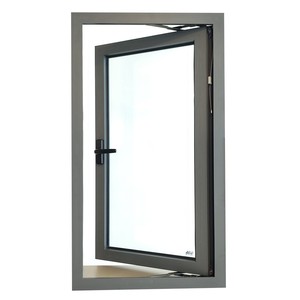 High-Impact / Ballistic
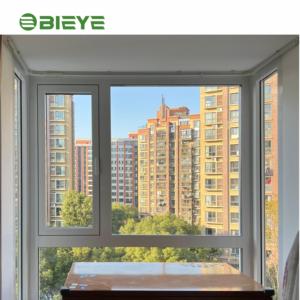 Rw 42dB Acoustic
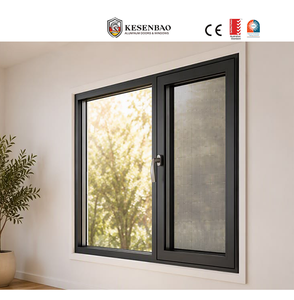 AS2047 Cyclone Tested
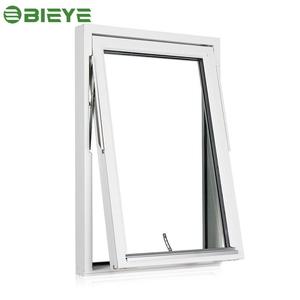
Mechanical Anatomy of CE-Certified Anti-Burglar Fenestration
Modern architectural security windows require balanced performance: uncompromising forced-entry deterrence, micro-climate thermal insulation, air-water tightness under hurricane pressure, and architectural aesthetics.
EN 1627-1630 Resistance Classes (RC2 / RC3)
Compliance with European standards demands empirical resistance against deliberate physical attack. RC2 requires survival against casual opportunists utilizing tools such as screwdrivers, pliers, and wedges for over 3 minutes of contact time. RC3 elevates structural containment against professional intruders armed with crowbars, mechanical drills, and punch tools for at least 5 minutes of focused impact. We engineer window profiles with internal structural alloy webs exceeding 2.0mm wall thickness to eliminate frame pry points.
Perimeter Multi-Point Cam Engagement
Unlike conventional residential latches that rely on a single keeper, our security casement and tilt-and-turn windows utilize continuous hardened steel mushroom cams. Sourced from premier hardware partners (Siegenia, Roto, Hoppe), these cams mechanically interlock into carbon steel striker plates placed every 400mm along the frame perimeter. In an attempted forced break-in, levering forces disperse along the entire structural perimeter rather than yielding at an isolated point.
EN 356 Class P4A & P5A Security Glazing
The weakest link in non-certified fenestration is the glass pane. Our burglar systems integrate multi-ply laminated architectural glass incorporating high-elasticity Polyvinyl Butyral (PVB) or SentryGlas (SGP) interlayers. Under EN 356 testing, P4A withstands multiple impacts from a 4.11kg steel sphere dropped from a height of 9.0 meters. The interlayer remains anchored inside structural internal glazing beads, denying human entry even when the outer glass surfaces fracture.
| Security Parameter | Standard Residential Window | DERCHI CE Certified RC2 System | DERCHI High-Threat RC3 / Ballistic System |
|---|---|---|---|
| Extrusion Alloy & Thickness | 1.2mm - 1.4mm Non-Thermal 6063 | 2.0mm Architectural 6063-T5 Thermal | 2.5mm - 3.0mm Heavy Structural 6063-T6 |
| Locking Mechanism | Single Latch / Dual Flush Bolt | 6 to 10 Mushroom Cam Keepers | 12+ Perimeter Geared Multipoint Strikers |
| Glazing Specification | 5mm + 9A + 5mm Insulated Glass | 6mm Low-E + 12A + (4+0.76PVB+4) P4A | (6+1.52SGP+6) + 16Ar + (5+1.14PVB+5) P5A/P6B |
| Tool Attack Resistance | < 30 Seconds (Leverage) | > 3 Minutes (Screwdrivers, Wedges) | > 5 Minutes (Crowbar, Jigsaw, Heavy Drills) |
| Acoustic Attenuation (Rw) | 28 dB - 30 dB | 38 dB - 42 dB | 43 dB - 48 dB (Airport / Highway Grade) |
| Cyclonic Wind Resistance | 1200 Pa - 1500 Pa | AS 2047 N5 (> 3000 Pa) | AS 2047 N6 (> 4500 Pa Structural Load) |
Future Procurement Trends in Architectural Security Fenestration
For property developers, lead architects, general contractors, and tier-1 procurement directors, the landscape of security window procurement is undergoing seismic technological and regulatory shifts.
1. Decarbonization Converging with Fortified Envelopes
Historical fenestration engineering forced specifiers to choose between high physical security (dense steel bars, thick uninsulated bronze, heavy blast grates) and environmental performance. The future belongs exclusively to ultra-low U-value thermal break aluminium alloys combined with multi-chamber polyamide thermal barrier strips (such as Technoform PA66 GF25).
Stringent European Energy Performance of Buildings Directives (EPBD) and ASHRAE 90.1 energy baselines in North America mandate window U-values below 1.2 W/m²·K while municipal building codes demand RC2/RC3 forced-entry deterrence. B2B purchasers must audit supplier thermal break bonding integrity to prevent shear stress failure under severe solar thermal gradients.
Smart Fenestration & IoT Concealed Sensors
Procurement requirements are rapidly shifting toward integrated building management system (BMS) connectivity. Modern projects demand concealed VdS-certified magnetic contact sensors (reed switches) embedded directly inside the profile rebate at the extrusion mill stage. This eliminates surface-mounted alarms, maintaining architectural lines while alerting facility security of breach attempts prior to glass failure.
Pre-Engineered Prefabricated Unitized Kits
Rising site labour expenses across Europe, North America, and Australia have triggered substantial growth in prefabricated sub-frame systems. Importers seek complete architectural unitized window cassettes equipped with integral nail fins, pre-applied expansion joints, and pre-glazed security glass. This slashes on-site glazing installation time by up to 65% while guaranteeing laboratory-tested factory sealing.
Qualicoat Class 2 & Marine-Grade Durability
With coastal luxury villa developments expanding globally (Southeast Asia, Caribbean, Mediterranean, Arabian Gulf), powder coating standards have transitioned from standard polyester coatings to fluoropolymer PVDF and Qualicoat Seaside Class 2 powders. These surface treatments withstand over 3,000 hours of continuous salt-spray testing without blistering, pitting, or micro-cracking.
Precision Manufacturing Backed by Industrial Dominance
Operating from our flagship Foshan production campus, Guangdong Dejiyoupin Doors and Windows Co., Ltd. (DERCHI) represents China's Top 10 fenestration brand with over a quarter-century of technical mastery.

Vertically Integrated Manufacturing Scale
With over 180,000 square metres of advanced processing infrastructure and 600+ dedicated facade specialists, our facility executes the complete production cycle in-house: automated CNC double-head profile extrusion cutting, corner crimping with high-pressure structural matrix injection, CNC hardware milling, in-house insulated glass unit (IGU) assembly, and final robotic sealing.
This full-chain integration eliminates supply chain markups, guarantees tolerance controls within ±0.5mm across massive production runs, and provides commercial clients with factory-direct pricing structures unencumbered by intermediary margins.
CE EN 14351-1 Compliant
Full Declaration of Performance (DoP) documentation and CE factory production control (FPC) audit pass certificates for hassle-free European municipal building permits.
North American NFRC / CSA
Thermally validated testing ensuring strict compliance with SHGC, U-factor, and visible transmittance standards for US and Canadian multi-family developments.
WORLDBEX Validated
Demonstrated project leadership and tropical windstorm validation at premier international exhibitions including WORLDBEX Philippines 2025.
Sea-Freight Protective QA
Heavy-duty 5-tier export crating: protective peel film, corner foam dampeners, moisture-barrier vacuum plastic wrap, and solid fumigated plywood crates.
Frequently Asked Questions for Window Importers & Contractors
Clear, technically rigorous answers covering certification requirements, structural parameters, testing standards, and logistics workflows.
Consult with Our Structural Fenestration Engineering Team
Whether you are tendering a multi-story commercial development, sourcing premium distributor inventory, or building an ultra-luxury private residential estate, our engineering office provides complimentary structural load calculations, glass thickness simulations, and custom CAD shop drawings within 24 business hours.