Specified Architectural Aluminium Doors & Commercial Systems
Direct factory supply for general contractors, commercial facade specifiers, luxury hospitality developments, and global wholesale distributors requiring stringent CE, AS 2047, and ISO 9001 compliance verification.
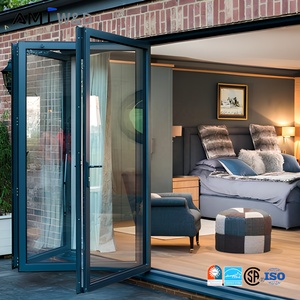
Office Building Bifolding Doors Aluminum Patio Bifold Door Thermal Break Triple Pane
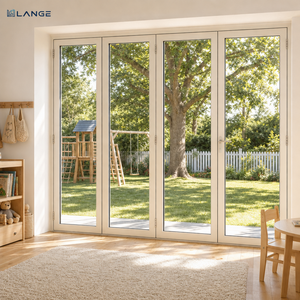
LANGE French Bifold Patio Door Certified Ultra-Narrow Bezel Thermal Break
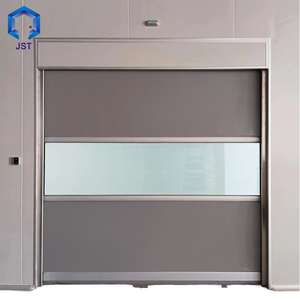
Industrial High Speed Automatic PVC Aluminium Roller Shutter Workshop Door
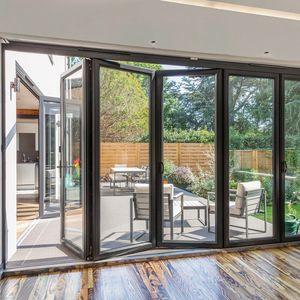
European Aluminium Glass Folding Interior Bifold Cottage Door System
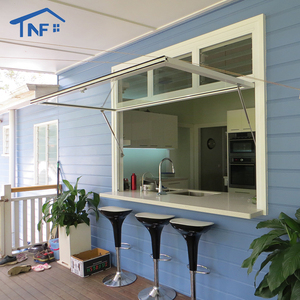
Aluminium Gas Strut Awning Servery Window Double Glazed Commercial Unit
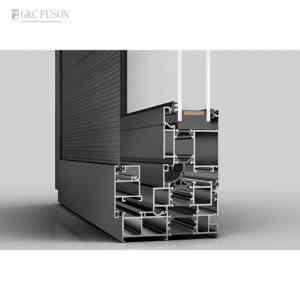
Fuson Hurricane Proof Impact Double Glazed Aluminium Casement System
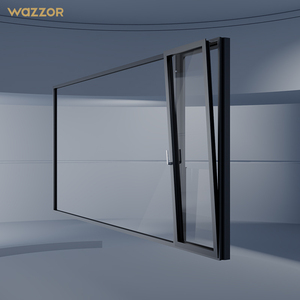
Wazzor High-Acoustic Typhoon-Resistant Energy-Saving Casement System
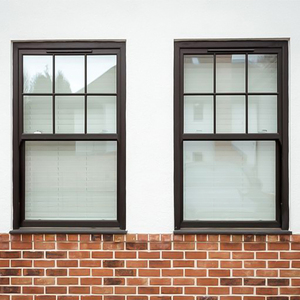
Landsharp European French Style Glazed Double Hung Sash Sliding System
High-precision robotic extrusion, CNC profile machining, and cleanroom glass tempering facilities in Foshan.
Experienced structural facade engineers, QA controllers, tooling specialists, and multilingual export managers.
Full compliance testing records under CE, AS 2047 N6, ISO 9001, and UL fire-rated fenestration directives.
Delivering tested, ready-to-install aluminium door packages across Europe, North America, Southeast Asia, and the Middle East.
The CE Certified Fenestration Framework: Engineering EN 14351-1 Compliance
For international architects, civil contractors, and facade consultants, the CE marking for aluminium doors is not an arbitrary badge; it is a mandatory Declaration of Performance (DoP) governed by EN 14351-1:2006+A2:2016. This European norm mandates that exterior doors and windows be scientifically validated for structural wind load resistance, air permeability, water tightness, acoustic reduction index, and overall thermal transmittance (Uw-value).
When procuring CE certified aluminium frosted glass doors, the structural integrity begins with the primary alloy. Our production base standardizes on virgin 6063-T6 and 6060-T6 architectural aluminium extrusions with an outer wall nominal thickness between 2.0 mm and 3.0 mm for heavy-duty commercial pivot and bifold panels. The metallurgical profile is optimized for yield strengths exceeding 160 MPa, eliminating the sagging and torsion typical of sub-grade recycled billets during cyclic wind turbulence or high mechanical usage.
Thermal efficiency is achieved via polyamide thermal insulation barriers (PA66 GF25) reinforced with 25% chopped glass fiber. By breaking the continuous conductive bridge across interior and exterior profile leaves, our thermal-break aluminium systems restrict heat dissipation, achieving thermal transmittance metrics as low as Uf = 1.3 W/(m²·K). When combined with warm-edge insulated glazing units, the assembled door achieves Uw values under 1.1 W/(m²·K), directly fulfilling strict European energy efficiency mandates (such as Germany’s GEG and the UK’s Part L Building Regulations).
Acid-Etched vs. Sandblasted Glass
Unlike abrasive sandblasting which creates a porous, stain-prone micro-cratered surface, chemical hydrofluoric acid etching creates an ultra-smooth satin surface. It maintains visual opacity while offering fingerprint resistance, non-aging optical clarity, and low cleaning maintenance in commercial venues.
EN 12150-1 & EN 12600 Impact Safety
Every frosted glass sheet undergoes computerized horizontal furnace tempering. Conforming to EN 12150-1, the glass exhibits mechanical bending strength of at least 120 N/mm² and fractures safely into blunt, harmless granular fragments under severe impact, validated by Class 1B1 pendulum impact testing under EN 12600.
Acoustic Decoupling (Rw > 38 dB)
Privacy requires both visual obstruction and acoustic confidentiality. Our acoustic frosted assemblies incorporate acoustic PVB or SentryGlas® interlayer films inside double or triple-glazed units, cutting airborne speech noise (STC 42 / Rw 38-44 dB) for boardrooms, clinic suites, and boutique hotels.
Certified Engineering Benchmarks for Aluminium Frosted Glass Assemblies
The following data represents laboratory-tested baselines performed in accordance with European and international testing standards, giving commercial quantity buyers verifiable data for tender submissions and project sign-offs:
| Performance Category | Standard Tested | Engineering Specification / Rating | Project Application Relevancy |
|---|---|---|---|
| Air Permeability | EN 12207 / EN 1026 | Class 4 (Highest Tightness Rating, 600 Pa) | High-rise hotels, passive building envelopes, coastal resorts |
| Water Tightness | EN 12208 / EN 1027 | Class E1050 (Static testing up to 1050 Pa) | Typhoon-prone coastal regions, wind-driven torrential rains |
| Wind Resistance | EN 12210 / AS 2047 N6 | Class C5 / Service Load 3000 Pa, Ultimate 4500 Pa | High-wind coastal elevations, penthouses, typhoon zones |
| Thermal Transmittance (Uw) | EN ISO 10077-1/-2 | 0.98 – 1.35 W/(m²·K) (Triple/Double Low-E glazed) | Commercial LEED/BREEAM certified developments, cold climates |
| Acoustic Attenuation | EN ISO 717-1 / ASTM E90 | Rw (C; Ctr) = 38 dB (−1; −4) up to 45 dB with Lam-PVB | Hospitality suites, corporate meeting spaces, urban apartments |
| Glass Impact Safety | EN 12600 / EN 12150-1 | Class 1B1 / Residual Stress > 95 MPa | Pedestrian traffic zones, public entrance lobbies, schools |
| Surface Coating | Qualicoat Class 2 / AAMA 2605 | Fluoropolymer PVDF (70% Kynar 500) > 40 μm | Saline coastal marine environments, extreme solar UV exposure |
Global Procurement Forecast: Strategic Shifts in Architectural Fenestration
How institutional property developers, EPC contractors, and international window fabricators are restructuring their supply chains around thermal optimization, ESG mandates, and hardware modularity.
1. Transition from Sandblasted to Ceramic Frit & Chemical Satin
Global procurement records demonstrate an 84% pivot away from physical sandblasted glazing toward chemical acid-etching and ceramic frit baked at 680°C. Ceramic frit allows customized geometric privacy gradients—ranging from 100% opaque at floor level to completely transparent at eye-level—allowing daylight ingress while preserving interior privacy.
2. Decarbonization & Low-Carbon Aluminium (ASI Certified)
European supply chains under the Carbon Border Adjustment Mechanism (CBAM) increasingly demand low-carbon aluminium extrusions smelling with hydroelectric energy, delivering less than 4.0 kg CO₂ per kg of aluminium. DERCHI is systematically aligning its billet inventory with traceable, circular recycling and EPD (Environmental Product Declaration) certificates.
3. Monolithic Concealed Pivot & Magnetic Damping Integration
Traditional exposed hinge knuckles are being replaced by German and Italian-engineered hydraulic concealed overhead closers and bottom floor pivots with integrated magnetic soft-braking. These pivot assemblies easily support oversized door leafs measuring 1800 mm in width by 3800 mm in height, carrying weights over 350 kg with feather-light operation.
Addressing Total Cost of Ownership (TCO) in Large-Scale Fenestration Sourcing
Direct factory sourcing of architectural fenestration yields between 35% and 52% direct material savings compared to sourcing through regional distributors. However, sophisticated procurement directors evaluate more than the initial FOB unit rate; they prioritize the Total Cost of Ownership (TCO) across logistics, project tolerances, installation cycles, and warranty servicing.
One common issue in importing custom aluminium frosted doors is dimensional mismatch with on-site structural openings. To mitigate this risk, our export division provides a mandatory Shop Drawing BIM & CAD Sign-Off Protocol. Every single millimetre of extrusion dimension, glass bite, gasket compression allowance, anchor spacing, and threshold run-off is reviewed against the general contractor's architectural schedule before a single extrusion is cut.
Packaging integrity represents another crucial link in the TCO equation. To prevent edge chipping on heavy frosted tempered glass panels during long-distance maritime freight, our facility uses IPPC ISPM-15 certified heat-treated solid timber crates with high-density EPE foam buffering, desiccant bags to prevent moisture staining during ocean transit, and corner protectors capable of enduring dynamic 3G handling forces at international ports.
Enterprise Strengths: 25+ Years of Foshan Manufacturing Mastery
Recognized as one of China’s Top 10 premium door and window manufacturers, Guangdong Dejiyoupin Doors and Windows Co., Ltd. (DERCHI) combines massive industrial scale with refined architectural tailoring.

Industrial Infrastructure Geared for Export Reliability
Unlike trading companies that broker disparate orders across small workshops, DERCHI manages every stage in-house. From 5-axis CNC extrusion machining centers to dual-component robotic silicone sealing lines, each door is built to tight engineering tolerances (±0.5 mm), matching the standards of premier European brands like Schüco and Reynaers at competitive factory-direct costs.
- Stringent AS 2047 N6 & CE Quality Audits: Complete in-house cyclic testing rigs testing wind resistance, air tightness, and structural deflection under loads up to 4500 Pa.
- World-Class Hardware Partnerships: Integrated European multipoint security locking sets from Siegenia, Hoppe, G-U, and CMECH, backed by 100,000-cycle durability testing.
- Rapid Turnaround & Phased Logistics: 25-30 day manufacturing cycles for bespoke custom designs; phased container loading optimized for sea freight to major ports worldwide.
- Experienced English-Speaking Engineering Sales: Factory technical representatives operating in your project time zone, ready to review CAD schedules and tender docs.
Audited Compliance Standards & Factory Certifications

Frequently Asked Questions for Commercial Door Specifiers & Importers
Get direct, technically verifiable answers on CE compliance, glass safety ratings, logistics, and custom manufacturing from our technical team.
Q1 What documentation is included with your CE certified doors?
Every shipment comes with an official Declaration of Performance (DoP) referencing standard EN 14351-1. We also supply third-party laboratory test reports detailing Uw-values (EN ISO 10077-1/-2), air tightness (EN 12207 Class 4), water tightness (EN 12208 Class E1050), and pendulum glass impact safety (EN 12600 Class 1B1) ready for structural building control approval.
Q2 How do you prevent fingerprint stains on frosted glass in high-traffic commercial doors?
We use hydrofluoric chemical acid-etched glass rather than mechanical sandblasting. Chemical etching creates an ultra-smooth nano-satin surface that prevents oils, dust, and moisture from settling into porous micro-fissures. This ensures simple cleaning with common mild detergents and eliminates permanent fingerprint smudging.
Q3 Can you manufacture custom-engineered oversized pivot doors?
Yes. Our custom engineering department specializes in large-format pivot, bifold, and sliding doors. We regularly manufacture single-leaf frosted glass pivot doors up to 2.2 meters wide and 4.2 meters high, utilizing heavy-duty bottom hydraulic pivots and multi-chambered 6063-T6 profiles rated for panel weights over 400 kg.
Q4 How does the thermal break profile impact energy performance?
Aluminium is inherently conductive (k ≈ 200 W/m·K). Without a thermal barrier, interior door profiles sweat, accumulate condensation, and transfer heat or cold. We integrate 24 mm to 34 mm PA66 GF25 polyamide thermal barriers, lowering profile conductivity down to Uf < 1.5 W/m²·K. This prevents frame condensation and reduces cooling and heating loads.
Q5 What surface finish options do you provide for harsh coastal regions?
For installations within 3 km of the sea, we recommend 70% fluoropolymer PVDF coatings (complying with AAMA 2605 / Qualicoat Class 2) or heavy anodized finishes with an oxide layer thickness ≥ 25 μm (Class 1). These treatments resist salt spray corrosion for over 3,000 hours in neutral salt spray (ASTM B117) testing.
Q6 What are the standard lead times and minimum order quantities (MOQ)?
Standard architectural configurations carry a 25 to 30-day production timeline following shop drawing approval. For ongoing commercial projects and building developments, our MOQ is flexible (starting at 1 unit for bespoke luxury pivot doors, and 20 units for standard commercial sliding/bifold packages). We also support multi-phase containerized schedules.
Request an Engineering Specification & Price Proposal
Partner directly with a vetted Foshan manufacturing facility. Send us your project schedules, CAD elevations, or tender requirements, and our engineering team will provide comprehensive shop drawings, thermal calculations, and factory-direct pricing within 24 hours.
Instant direct connection with senior facade engineers. No brokers, no trading markups.