Engineering Integrity in High-Humidity Culinary Environments
Designing and procuring fenestration systems for modern residential kitchens, luxury villa culinary pavilions, and hospitality preparation zones requires balancing rigorous structural wind-load durability, grease-resistant metallurgical passivation, and stringent European CE safety directives. This whitepaper analyzes manufacturing benchmarks, laboratory testing certifications, and lifecycle economies of scale.
Engineered Architectural Window & Entry Systems
Explore our core certified configurations tailored for culinary exterior interfaces, pass-through serveries, and interior thermal zoning.
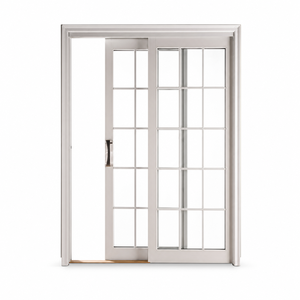 CE Certified / Sliding
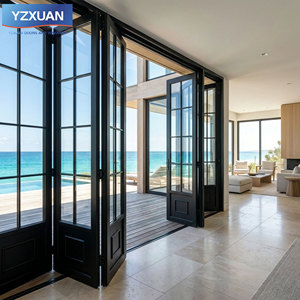 Bi-Fold Servery
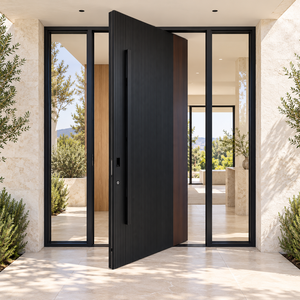
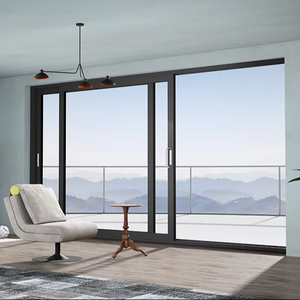 Pass-Through System
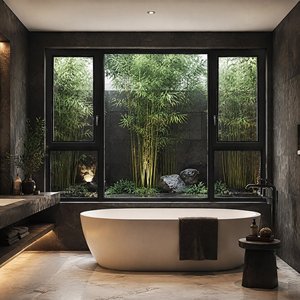 Casement / Micro-Vent
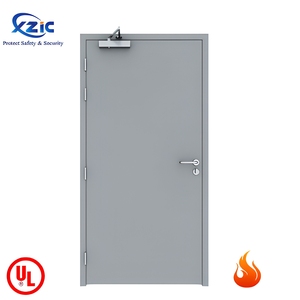 UL Fire Rated
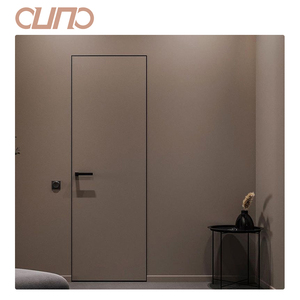 Moisture / Acoustic
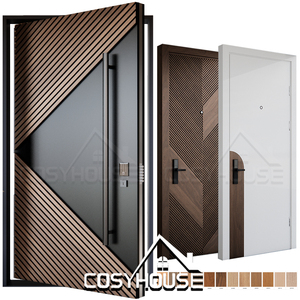
Anatomy of a CE-Certified Kitchen Fenestration System
Under the European Construction Products Regulation (CPR 305/2011) and harmonized norm EN 14351-1:2006+A2:2016, windows and external doors installed in kitchen environments face strict dual-stress conditions. In culinary spaces, structural integrity must operate in harmony with thermal barriers capable of handling extreme internal humidity variations (up to 85% RH during peak cooking cycles) without surface condensation or microbial proliferation.
Metallurgical & Extrusion Precision
DERCHI kitchen systems utilize primary billet 6063-T5 and 6063-T6 architectural aluminium alloys. The wall thickness strictly conforms to Class A architectural thresholds (1.8mm to 3.0mm structural webs), ensuring maximum deflection resistance under hurricane conditions and AS 2047 cyclonic testing.
- Polyamide Barrier: Multi-cavity PA66 GF25 thermal breaks reinforced with 25% glass fiber prevent thermal bridging.
- Surface Passivation: Pre-treatment etching followed by Qualicoat Seaside Class 2 architectural fluorocarbon (PVDF) or 25-micron deep anodizing resist cooking vapours, fatty acid deposits, and saline degradation.
Acoustic, Glazing & Thermal Dynamics
Kitchen spaces often border patio barbecue terraces or high-noise urban avenues. Balancing low overall thermal transmittance (Uw ≤ 1.1 - 1.4 W/m²·K) while suppressing extraction fan harmonics requires multi-tier IGUs.
- Insulated Glazing Units: 6mm Low-E + 16Ar (Argon 90%) + 6mm Toughened safety glass certified under EN 12150 and EN 1279.
- Triple Sealing Gaskets: Continuous co-extruded EPDM cellular weatherstrips engineered for thermal elasticity between -40°C and +120°C, securing Class 4 Air Permeability (EN 12207) and Class 9A Watertightness (EN 12208).
B2B Performance Benchmarks vs. Industry Standards
When reviewing engineering tenders from global facade consultants, compare our baseline CE certified kitchen window and door specifications against general standard market products.
| Performance Vector | DERCHI CE Specification | Generic Export Standards | Compliance Standard |
|---|---|---|---|
| Alloy Substrate & Temper | Virgin Aluminium 6063-T6 / 6060-T66 (High Purity) | Recycled Scrap Blend 6063-T5 | EN 573-3 / EN 755-2 |
| Thermal Insulation (U-Factor) | Uw 1.0 - 1.3 W/m²·K (Warm-Edge + Argon 16mm) | Uw 2.2 - 2.8 W/m²·K (Air Spacer) | EN ISO 10077-1 / EN ISO 10077-2 |
| Air Infiltration Classification | Class 4 (600 Pa, ≤ 0.75 m³/h·m²) | Class 2 (300 Pa, ≤ 2.25 m³/h·m²) | EN 12207 |
| Water Tightness Under Extreme Pressure | Class E900 / 9A (900 Pa No Leakage) | Class 4A / 5A (200 - 300 Pa) | EN 12208 |
| Resistance to Wind Load (Deflection) | Class C5 / B5 (2000 Pa design, 3000 Pa safety) | Class C2 / C3 (1200 Pa) | EN 12210 / AS 2047 N6 |
| Surface Coating Longevity | Qualicoat Class 2 Fluorocarbon (25-Year Guarantee) | Standard Polyester Powder (5-7 Years) | AAMA 2605 / ISO 2810 |
| Acoustic Attenuation (Rw) | Rw 38 dB to 44 dB with Acoustic PVB Laminate | Rw 28 dB to 32 dB Standard Glass | EN ISO 717-1 |
Future Sourcing & Procurement Trends (2025–2030)
Procurement directors, general contractors, and developers across North America, Europe, Australia, and Southeast Asia are shifting sourcing protocols to accommodate five tectonic shifts in architectural requirements.
1. Low-Carbon Smelting & EPD Transparency
Institutional commercial developments increasingly require Environmental Product Declarations (EPDs). Specifying low-carbon aluminium smelted using hydroelectric power reduces embodied carbon from 16.8 kg CO2e/kg to under 4.0 kg CO2e/kg, directly earning LEED and BREEAM credits.
2. Integrated Smart Building Automation (BMS)
Kitchen fenestration is transitioning from manual operation to concealed motorized actuators tied to VOC, PM2.5, and heat sensors. Windows automatically activate micro-ventilation cycles when extractors fire up, maintaining neutral air pressure balance.
3. Monolithic Pass-Through Servery Demands
Hospitality and high-end residential floorplans are eliminating walls between indoor prep kitchens and outdoor living verandas. Pocketing sliding doors and gas-strut awning serveries that completely tuck away are recording over 42% YoY inquiry growth.
4. Direct-From-Source Vendor Consolidation
Tier-1 procurement heads are bypassing middlemen to partner directly with mega-scale OEM/ODM manufacturers capable of supplying facade curtain walls, entry pivot gates, interior soundproof doors, and kitchen windows in unified 40HQ mixed container lots.
5. Hydrophobic & Oleophobic Nanocoatings
Cooking generates aerosolized oils that fuse with dust on window frames and glazing. The next generation of kitchen aluminium frames incorporates durable self-cleaning fluoropolymer coatings that shed grease without corrosive cleaning agents.
6. Precision BIM/Revit Pre-Engineering
Modern developers require LOD 350 BIM models and complete shop drawing packages prior to site pouring. Manufacturing facilities must deploy parametric CAD/CAM modeling to eliminate field modification risks during installation handovers.
Technological Innovations in Culinary Fenestration
How DERCHI's Foshan R&D laboratories address structural deflection, drainage hydraulics, and hardware longevity under relentless everyday use.
Submerged Linear Drainage & Zero-Threshold Tracks
Traditional kitchen sliding doors create high threshold barriers that trap food debris and impede servery carts. Our latest development features submerged flush-track profiles integrated with multi-directional siphon drainage channels. Water discharge rates exceed 35 liters per minute per meter, effortlessly handling violent monsoon downpours while maintaining a completely level 0mm interior transition.
The running gear incorporates 316 marine-grade stainless steel CNC rollers rated for 150,000 continuous sliding cycles under a 300kg sash payload without track wear.
Thermal Decoupling & Multi-Chamber Pressure Equalization
Kitchen exhaust range hoods generate indoor negative pressure. Standard windows leak air under suction, creating whistling noises and drafting exterior contaminants inward. DERCHI multi-chamber casement systems employ a rain-screen pressure equalization cavity with co-molded vulcanized corner gaskets.
This neutralizes pressure differentials between the exterior and interior faces, eliminating drafting, wind whistling, and vapor condensation even during maximum exhaust fan CFM extraction.
25+ Years of Fenestration Leadership in Foshan
Guangdong Dejiyoupin Doors and Windows Co., Ltd. (DERCHI) stands as one of China's top-tier manufacturers of architectural door and window systems. Based in Shishan Town, Foshan—the epicenter of global architectural aluminum extrusion—our mega-scale production infrastructure guarantees engineering precision, batch-to-batch consistency, and uncompromised structural reliability.

Frequently Asked Technical & Sourcing Questions
Everything architectural specifiers, developers, and commercial procurement managers need to know about lead times, hardware compatibility, and customs compliance.