Certified Architectural Aluminum Doors & Windows Portfolio
Every system is tested under stringent EN 14351-1, AS 2047, and NFRC testing criteria, providing verified U-values, structural wind deflection resistance, and water tightness for coastal, luxury residential, and commercial developments.
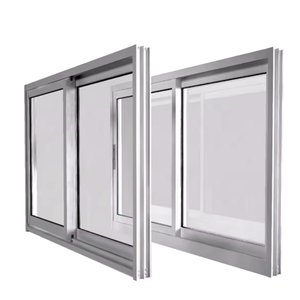
120 Series Horizontal Sliding Window Modern Bathroom Exterior Aluminum Alloy Frame Double Low E Glass
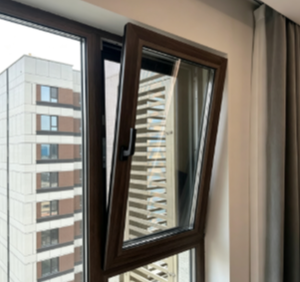
Energy Saving Aluminum Clad Wood Casement Window Outward Opening Home Replacement Window
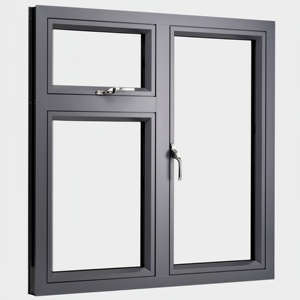
Customized Modern Louver Casement Window Large Aluminum Fixed Double Tempered Insulation Glass
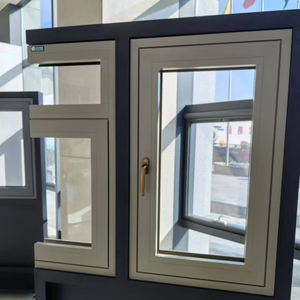
High Quality Aluminum Doors and windows Architectural Exterior Profile Series
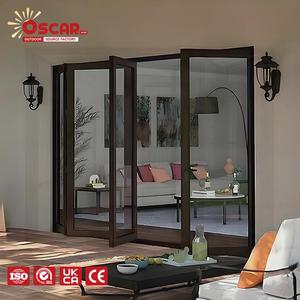
European Aluminum Glass Folding Door Cottage Interior Bifold Panel Door
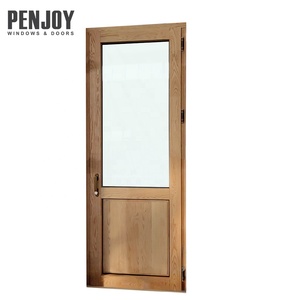
Penjoy Aluminum Clad Wood Solid Core Entry Door Thermal Insulation Custom for Villa Residential Hotel
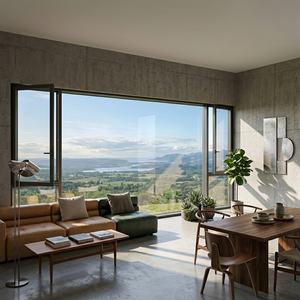
American Modern House Tilt and Turn Casement Window Double Glazed Aluminium Glass Inward Swing
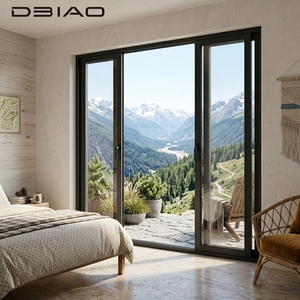
Minimalist Aluminum Alloy Sliding Doors with Tempered Glass for Bedroom Bathroom Kitchen Outdoor
Technical White Paper: Architectural Specifications for CE Marked White Aluminum Doors
In high-end architectural engineering, specifying an aluminum white door system demands far more than surface aesthetic evaluation. For commercial specifiers, façade consultants, and general contractors operating under the European Construction Products Regulation (CPR 305/2011/EU), CE marking governed by EN 14351-1:2006+A2:2016 establishes mandatory performance metrics. White doors—specifically in standard RAL 9016 (Traffic White) and RAL 9010 (Pure White)—present unique material challenges: high UV reflectance requirements, susceptibility to chemical discoloration, and thermal expansion differential between interior air-conditioned environments and exterior solar-loaded envelope faces.
Our Foshan manufacturing facility engineers extruded primary aluminum profiles using virgin EN AW-6063-T6 and EN AW-6060-T66 architectural billets. Unlike recycled secondary melts that contain trace iron and silicon impurities causing micro-porosity and brittle corner crimps, our controlled metallurgical chemistry yields minimum tensile strength of 215 MPa and yield strength of 160 MPa. This structural base enables multi-point locking integration, oversized pivot leaves exceeding 1500mm × 3200mm, and slim sightline profiles that resist typhoon gust pressures exceeding 4500 Pa (AS 2047 Class N6 / EN 12210 Class C5).
| Performance Category | Harmonized Test Standard | Engineering Threshold (DERCHI Spec) | Field Significance for Importers |
|---|---|---|---|
| Air Permeability | EN 1026 / EN 12207 | Class 4 (600 Pa test pressure ≤ 3 m³/h·m²) | Minimizes building HVAC energy loss; vital for BREEAM / LEED Gold credentials. |
| Water Tightness | EN 1027 / EN 12208 | Class E900 (Static water barrier up to 900 Pa) | Prevents ingress during driving monsoon rains and coastal hurricane downpours. |
| Wind Load Resistance | EN 12211 / EN 12210 | Class C5 / AS 2047 N6 (ΔP 3000 Pa, safety 4500 Pa) | Guarantees zero permanent frame deflection on coastal or high-rise exposures. |
| Thermal Transmittance (Ud) | EN ISO 10077-1/-2 | Ud 0.85 – 1.20 W/(m²·K) (with Warm-Edge IGU) | Passivhaus compliant; halts condensation on interior white powder surfaces. |
| Acoustic Attenuation | EN ISO 717-1 / ASTM E90 | Rw (C; Ctr) = 43 (-1; -4) dB | Blocks urban street noise, aero-traffic, and generator vibration in mixed-use assets. |
| Coating Durability | QUALICOAT Class 2 / AAMA 2604 | Super-durable polyester / PVDF fluorocarbon ≥ 75 μm | Gloss retention > 90% after 5-year Florida weathering; ΔE < 0.8 color drift. |
Surface Science: Preventing Solar Degradation & Yellowing in White Finishes
A primary failure mode reported by procurement teams sourcing budget white aluminum doors is premature yellowing, chalking, and gloss degradation within 18 to 36 months of exterior installation. Solar radiation in equatorial and subtropical zones (such as Southeast Asia, the Caribbean, and coastal Europe) subjects organic coatings to harsh UV-A and UV-B exposure. When combined with marine airborne chlorides (NaCl) and industrial sulfur dioxides, low-grade TGIC powder coats undergo photochemical photo-oxidation, turning pristine white profiles into dull, chalky yellow surfaces.
To eliminate this degradation vector, our surface treatment line utilizes automated 16-stage chemical pre-treatment, featuring chromate-free zirconium passivation under Qualicoat Class 2 and Qualanod certifications. We apply architectural super-durable thermosetting powders (AkzoNobel Interpon D2525 and Tiger Drylac 68 Series) or liquid Kynar 500 / Hylar 5000 PVDF fluorocarbon coatings at continuous electro-static dry film thicknesses of 70–90 microns. These fluoropolymer systems feature carbon-fluorine bonds—one of the strongest chemical bonds in organic chemistry—preventing UV scission and maintaining an imperceptible color deviation (ΔE ≤ 0.5) over a 25-year service design life.
Thermal Polyamide PA66GF25
Integrated 24mm to 34mm German Technoform polyamide insulating struts reinforced with 25% glass fiber match the thermal expansion coefficient of aluminum, preventing bi-metal bowing under extreme solar gain.
RC2 / RC3 Anti-Burglary Multi-Lock
Concealed European-groove perimeter lock mechanisms with hardened mushroom cams, anti-drill escutcheons, and continuous stainless strike plates resist forced lever entry up to 15 minutes of manual assault.
BIM & Parametric Scheduling
Full digital coordination with Revit/IFC LOD 350 library assets, automated thermal bridge FEA simulations (ThermA 2.8), and CNC-machined shop drawings that match contractor door schedules with zero margin of error.
Global Procurement Trends: What Major EPCs & Developers Seek in 2026–2030
Strategic sourcing for architectural fenestration is undergoing a fundamental structural transition. Procurement directors are shifting away from piecemeal local assembly toward direct factory-partnered manufacturing alliances. Key global purchasing indicators include:
1. Carbon Accounting & Circularity Declarations (EPDs): With European Carbon Border Adjustment Mechanism (CBAM) regulations and North American ESG reporting mandates taking full effect, commercial tier-1 developers demand third-party verified Type III Environmental Product Declarations (EPD). Modern aluminum white doors must document embodied carbon metrics below 7.5 kg CO₂e/kg aluminum through the use of hydropower-smelted primary billets and certified pre-consumer scrap recovery.
2. Smart Access & Motorized concealed Automation: High-end residential villas and commercial headquarters increasingly specify white pivot and entrance portals integrated with 24V DC brushless motorization, electromagnetic latching, and concealed biometric fingerprint / Wiegand-protocol access access controls wired directly through aluminum profile conduits without visible external cabling.
3. Consolidated Multi-System Project Bundling: Developers prioritize single-source responsibility. By manufacturing heavy exterior white pivot doors, minimalist sliding patio systems, energy-saving casements, and interior acoustic doors under one roof, contractors minimize site interface risks, harmonize surface anodizing and powder matching across trades, and drastically lower ocean container consolidation expenses.
Future Technical Evolution: Next-Generation White Door Innovation
The aluminum door manufacturing landscape is being revolutionized by automated precision manufacturing. Traditional mechanical corner cleats secured with pop rivets are rapidly being phased out by our factory in favor of hydraulic multi-directional corner crimping paired with dual-component polyurethane corner adhesives (Kömerling or Weiss Cosmofen). This chemical-mechanical fusion creates a joint that is hermetically sealed against water infiltration and structurally impervious to sag over 100,000 opening cycles.
Simultaneously, the development of cool-pigment powder coating formulations allows dark and bright white profiles to reflect near-infrared (NIR) solar spectrum waves. This technological leap lowers the surface temperature of the exterior aluminum face by up to 14°C compared to conventional coatings, entirely mitigating the dreaded "bi-metal effect" wherein large door slabs bow toward the exterior during midday solar exposure.
25 Years of Fenestration Leadership & Engineering Excellence
As the force behind DERCHI, our 180,000-square-meter modern manufacturing base in Foshan, Guangdong houses automated Italian CNC extrusion processing centers, continuous vertical powder coating lines, and an in-house CNAS-accredited physical testing laboratory. Having proved our craftsmanship at premier showcases such as WORLDBEX Philippines, our solutions safeguard residential and commercial landmark developments worldwide.
- Dedicated Engineering Team: 600+ skilled craftsmen, structural engineers, and BIM specialists.
- Global Logistics Mastery: Custom plywood crates, moisture-sealed barrier wrapping, and direct port dispatch.
- Free CAD & Shop Drawings: Elevation layouts, structural calculations, and anchor detailing within 48h.
- Direct Factory Assurance: Complete transparent factory tracking from billet batch to final packaging.
Frequently Asked Questions for Project Specifiers & Importers
Clear technical insights addressing the key commercial, structural, and regulatory criteria considered by international buyers.
Accelerate Your Door & Window Project with Certified Foshan Manufacturing
Send us your door schedules, architectural elevations, or structural tender specifications. Our senior fenestration engineers will provide structural calculations, thermal simulations, and an itemized factory-direct commercial proposal within 24 business hours.