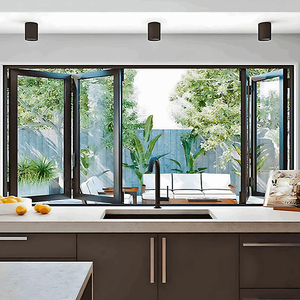
China Best Aluminium Bifold Windows Manufacturer & Suppliers
Industrial-grade precision engineering, AS 2047 N6 structural certification, and bespoke fenestration solutions by DERCHI (Guangdong Dejiyoupin Doors & Windows Co., Ltd.).
Engineered Product Portfolio
Architectural Aluminium Bifold Systems & Glazing Configurations
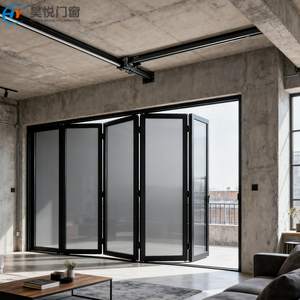
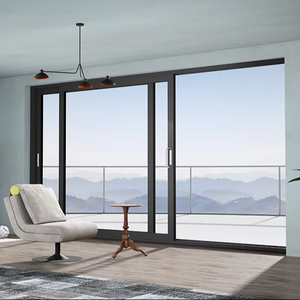
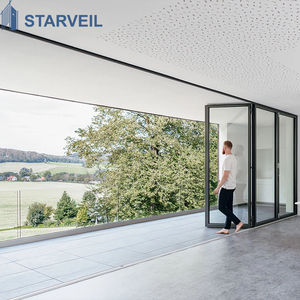
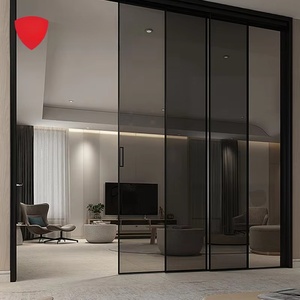
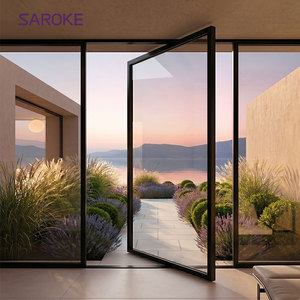
DERCHI engineered bifold systems provide maximum daylight openings, structural wind load integrity, and custom powder-coated thermal profiles suited for high-end coastal developments, residential complexes, and luxury villas.
Top 10 China Architectural Brand
Industrial Capability & Global Supply Chain Governance
Operated by Guangdong Dejiyoupin Doors and Windows Co., Ltd. from our headquarters in Shishan Town, Foshan, DERCHI integrates raw aluminium smelting, extrusion anodizing, CNC thermal assembling, and multi-point hardware calibration into an uncompromised B2B manufacturing hub.
180,000㎡
Automated Factory Base
600+
Skilled Technicians & Engineers
100+
International Patents & Certs
25+
Years Global Engineering
Full Fabrication Verticalization
Unlike regional assembly shops, our Foshan factory controls precision 6063-T5 and 6063-T6 billet extrusion, computerized thermal break crimping, and automated electrostatic powder coating. This ensures complete batch-to-batch micron-level dimensional precision.
Global Time-Zone Engineering
Our project design team offers fast-turnaround BIM file generation and detailed CAD shop drawings. Direct communication with bilingual sales engineers ensures that structural wind loads and local building codes (AS 2047, IBC, CE EN 14351-1) are satisfied before tooling.
AS 2047 N6 & Hurricane Resilience
Tested rigorously in cyclonic wind simulators. Our proprietary frame profiles and multi-point shootbolt systems prevent air leakage and water ingress under differential pressures exceeding 4500 Pa, satisfying stringent coastal project criteria across Southeast Asia, the Pacific, and the Americas.
Whitepaper & Specification Manual
Engineering Bifold Windows for Structural Longevity
Aluminium bifold systems require complex load balancing across bottom guide sills and upper suspension tracks. The following engineering specifications highlight why architectural firms prefer DERCHI precision profiles.
Extrusion Metallurgy: 6063-T6
Profile wall thicknesses range from 2.0mm to 3.0mm, delivering high tensile strength. This structural mass eliminates sash deflection across multi-panel assemblies up to 6 meters wide, allowing seamless operation without frame warping.
Thermal Decoupling Systems
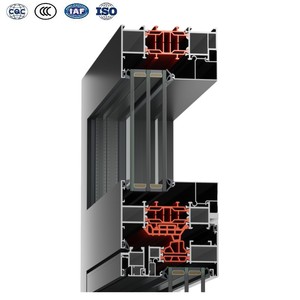
Featuring custom 24mm to 34mm reinforced Polyamide 66 (PA66 GF25) insulating struts. By interrupting the aluminium thermal bridge, our systems decrease window U-values to under 1.6 W/m²K, reducing HVAC load in extreme temperature environments.
Heavy-Duty Hardware Integration
Quad-wheeled stainless steel carriages with precision sealed bearings distribute sash loads effortlessly. Complete with multi-point locking gear, internal security latches, and anti-drop safety tracks rated for over 100,000 continuous opening cycles.
| Performance Parameters | DERCHI Heavy Commercial Bifold | Standard Market Residential Bifold | Compliance Test Standard |
|---|---|---|---|
| Aluminium Alloy / Temper | Primary Virgin 6063-T6 (2.0mm - 3.0mm) | Secondary Recycled 6063-T5 (1.2mm - 1.4mm) | GB/T 5237 / ASTM B221 |
| Wind Pressure Resistance | N6 Rating (Design Pressure > 4500 Pa) | Standard Rating (1200 - 1800 Pa) | AS 2047 / ASTM E330 |
| Water Penetration Resistance | Passed 600 Pa with Sub-Sill Weep Baffles | 150 - 200 Pa (Prone to overflow) | AAMA 501.1 / AS 4420.5 |
| Acoustic Isolation Index | Rw 38 dB to 44 dB (With Acoustic Lami-IGU) | Rw 25 dB to 28 dB (Monolithic glass) | ISO 717-1 / ASTM E413 |
| Thermal Transmittance (U-Value) | 1.4 – 1.8 W/m²K (Thermal break + Low-E Argon) | 3.5 – 5.2 W/m²K (Non-thermal break) | NFRC 100 / EN ISO 10077-1 |
Industry Intelligence & Forecasting
Emerging Trends in Global Fenestration Sourcing
Key regulatory shifts, carbon-accounting protocols, and architectural trends reshaping the aluminium bifold procurement landscape for developers and international trade contractors through 2026-2030.
Low-Carbon Recycled Billets
Global markets require verifiable low-carbon aluminium extrusions powered by hydro and renewable energy. DERCHI is actively reducing embedded lifecycle emissions to meet green certification criteria such as LEED and BREEAM.
Slim-Sightline Structural Glazing
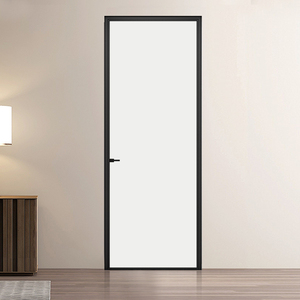
Modern luxury developments demand minimalist sightlines that do not compromise structural stability. Narrow stiles under 55mm with internal structural bonding are replacing bulky profile designs in premium villa applications.
Motorized & Smart Automation
The integration of ultra-quiet 24V brushless DC motor drives concealed within the upper head track. Projects now specify RS485 and Zigbee protocols to connect bifold windows directly with whole-house building management systems.
Digital Twin & BIM Detailing
Procurement teams are shifting away from manual 2D drawings toward parametric 3D models with detailed thermal properties. This simplifies engineering approval workflows and minimizes misalignments during onsite installation.
Procurement & Engineering FAQ
Essential Answers for Fenestration Buyers & Specifiers
Clear technical answers address core considerations regarding structural engineering, moisture sealing, international shipping protection, and customization parameters.
Q: How does DERCHI ensure bifold track stability and prevent sill sag across large spans?
We employ top-hung structural tracks extruded from heavy-duty 6063-T6 alloy, paired with dedicated structural sub-framing calculations. The structural dead load of the glazed leaves is absorbed by high-tensile anchor points, while our bottom stainless steel track acts as an anti-drift guide rather than a load-bearing pinch-point, preventing frame sag over time.
Q: Can DERCHI aluminium bifold windows withstand category-5 cyclone conditions?
Yes. DERCHI fenestration systems have passed testing under the Australian AS 2047 standard up to the highest N6 cyclonic classification. For coastal projects exposed to typhoons, we configure reinforced structural mullions, laminated safety glass units, and heavy-duty corner keys to meet local wind load specifications.
Q: What surface treatments are recommended for beachfront villas and high-salinity air?
For harsh coastal environments, we specify AkzoNobel or PPG architectural fluorocarbon (PVDF) coatings with three-layer baking cycles, or Qualicoat Seaside-class anodizing (minimum 20–25 microns). These finishes resist salt-spray corrosion, pitting, and UV breakdown, and are backed by long-term warranty support.
Q: How does your engineering team support custom project measurements and shop drawings?
Upon receipt of your structural openings and window schedule, our dedicated technical department provides detailed CAD shop drawings and Revit BIM models free of charge. We confirm track depths, floor threshold transitions, weep baffle positions, and glass makeup before commencing CNC fabrication.
Q: What packaging safeguards are used to protect custom glass and extrusions during sea freight?
Every profile surface is covered with high-density protective film, wrapped in moisture-resistant bubble wrap, and fitted with edge protectors. The entire unit is crated inside fully enclosed, fumigated solid plywood cases secured with internal steel bracing to prevent movement during multi-week ocean transport.
Q: What is the standard manufacturing lead time for full container load (FCL) orders?
Standard fabrication time ranges from 25 to 35 business days following final CAD sign-off and deposit receipt. For complex projects requiring custom fluorocarbon color matching or specialized low-E glass coatings, lead times are coordinated directly with your construction schedule to ensure on-time delivery.
Partner with China's Premier Aluminium Bifold Manufacturer
Contact our Foshan engineering and supply chain department today for factory-direct commercial pricing, comprehensive CAD detailing, and international project references.