Featured Architectural & Cabinetry Aluminium Systems
Fabricated with micron-precision multi-axis CNC technology, our comprehensive product suite showcases DERCHI’s benchmark engineering capabilities across luxury interior joinery, architectural security barriers, and high-performance weather-sealed systems.
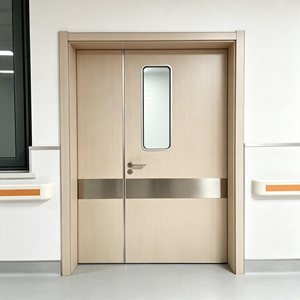
Aluminium Interior Screen Door Australia Crimsafe 304 Stainless Steel Security Door
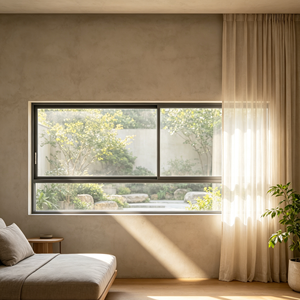
Australian Standard AS2047 Waterproof Double Glazed Aluminium Sliding Windows
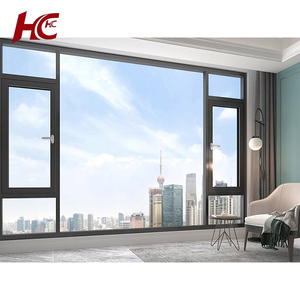
Hurricane Impact Soundproof Black Aluminum Casement Windows
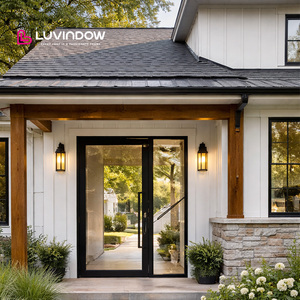
Soundproof Aluminum Double Glazed Exterior Door Anti-theft Residential
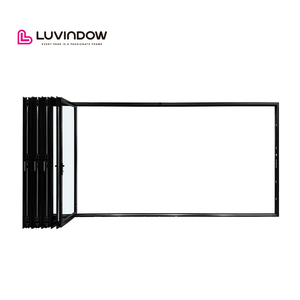
Modern Soundproof Low Maintenance Thermal Break Aluminum Glass Bi Fold Door
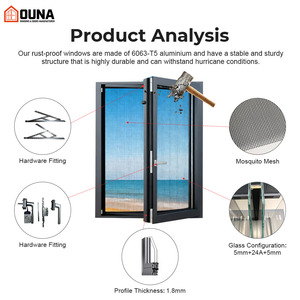
Thermal Break Double Glass Energy Efficient Swing Aluminum Casement Windows
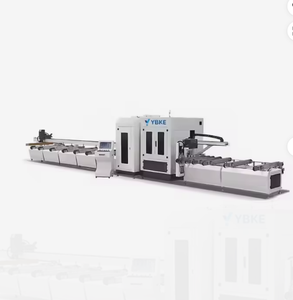
Automatic Aluminum Window Door Production Line & Profile Making Machinery
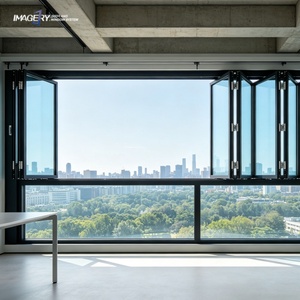
Modern Aluminum Folding Window Double Glazed Glass Bifold for Kitchen Shop Balcony
State of the Global Aluminium Kitchen Cupboard Industry
As contemporary residential developments and luxury commercial projects transition away from organic timber cores, the commercial demand for engineered aluminium kitchen cabinet doors, architectural cupboard extrusions, and hygienic metallic joinery has surged exponentially worldwide.
Substrate Chemistry: 6063-T5 vs. 6061-T6
The foundation of structural rigidity and micro-flatness in kitchen cupboard fronts resides in alloy temper control. At our Foshan production facility, cupboard door profiles are strictly extruded using primary A00 ingot 6063-T5 aluminum, featuring magnesium-silicide ratios balanced within 0.45–0.9% Mg and 0.2–0.6% Si. This metallurgical structure delivers an optimal tensile strength exceeding 160 MPa while facilitating exceptionally sharp 90-degree miter corner joints, laser-welded seams, and zero micro-cracking during surface anodization.
Absolute Hydrophobic Stability (Zero Warping)
Traditional MDF, chipboard, and solid timber cupboard doors inevitably experience delamination, moisture absorption, and dimensional bloating when deployed in extreme humidity environments like Southeast Asia, coastal villas, and high-steam commercial kitchen prep stations. Aluminium kitchen cupboard profiles guarantee zero water absorption (0.00% porosity), nullifying mold spore cultivation, bacterial harborage, and door-leaf misalignment caused by ambient humidity variations.
ENF-Grade Zero Formaldehyde Certification
Indoor Air Quality (IAQ) and WELL Building standards mandate drastic cuts in volatile organic compound (VOC) emissions. While synthetic resin adhesives in traditional particleboard cabinetry continuously outgas toxic aldehydes across a 3-to-15-year lifecycle, 100% all-metal aluminium cupboard framing eliminates structural resin glues entirely, effortlessly qualifying for China ENF grade, European E0, and US CARB Phase 2 non-toxic environmental benchmarks.
| Performance Benchmark | DERCHI Aircraft 6063-T5 Aluminium | MDF / HDF Membrane Press | Solid Natural Hardwood | Stainless Steel 201/304 Wrap |
|---|---|---|---|---|
| Dimensional Stability (25°C to 80°C) | Coefficient of thermal expansion: 23.1×10⁻⁶ /K (Zero Bowing) | Severe swelling (>8% volumetric gain under steam exposure) | Warps along grain lines; grain cracks under dry A/C cycles | High stability, but subject to face-sheet oil-canning and denting |
| Surface Anodic Coating / Hardness | Qualanod 15μm–25μm Hardcoat (Webster Hardness ≥12 HW) | Thin PVC vinyl sheet prone to peel-off and heat delamination | PU/NC lacquer layer scratches easily (Pencil hardness ~HB) | Brushed hairline easily marred by abrasive cooking utensils |
| Fire Safety Classification | Class A1 / A2 Non-Combustible (Zero Toxic Smoke) | Class B2 / C Combustible; releases hydrogen cyanide & smoke | Class B2 Combustible without intense chemical retardant | Class A1 Non-Combustible |
| Formaldehyde & VOC Emission | 0.00 mg/m³ (ND - None Detected) | 0.050–0.124 mg/m³ (Continuous indoor degassing) | Trace levels from natural terpenes and surface polyurethane | 0.00 mg/m³ |
| Corrosion & Salt Spray Resistance | CASS Neutral Salt Spray: >1000 Hours (ISO 9227 compliant) | Fails within 48 hours (Edgebands blister, core disintegrates) | Mold development and surface rot within 120 hours | Grade 304 passes 480 hours; Grade 201 suffers pitting rust |
Engineered by Guangdong Dejiyoupin Doors and Windows Co., Ltd.
Recognized among the Top 10 premium architectural manufacturers in China, the DERCHI manufacturing complex in Foshan represents one of the world's most sophisticated automated production footprints for aluminum doors, windows, and modular cabinetry joinery.
Automated Smart Production Lines
Equipped with intelligent double-head compound cutting saws, high-speed 4-axis profile machining centers, and automated corner crimping stations. Dimensional tolerance is held strictly within ±0.1mm, ensuring flawless glass fitment and airtight hinge alignment.
AS 2047 N6 & Global Compliance
Our engineered systems undergo extreme physical testing, achieving the highest cyclonic wind ratings (AS 2047 N6 test protocol) alongside CE, ISO 9001, and UL certifications, guaranteeing unyielding architectural strength across all climate profiles.
Proven International Execution
Celebrated at WORLDBEX 2025 in Manila and specified by builders across the United States, Canada, Australia, the Middle East, and Southeast Asia. We supply developers with end-to-end containerized logistics, flat-pack kits, and bespoke hardware pre-machining.
Free CAD/BIM Shop Engineering
Project architects receive complimentary CAD shop elevation drawings, custom extrusion die engineering, and explosion diagramming. Our Foshan technical team operates in your business time zone with a rapid 24-hour turnaround.
Future Procurement Trends for Aluminium Cabinetry (2025–2030)
International trade regulations, carbon footprint scrutiny, and evolving interior design aesthetics are radically changing how general contractors, OEM cabinet brands, and project developers source architectural aluminium kitchen systems.
1. Low-Carbon Hydro-Powered Circular Aluminium
With the European Union Carbon Border Adjustment Mechanism (CBAM) and global Scope 3 emissions reporting coming into enforceability, institutional buyers are actively rejecting coal-fired bauxite refining. Forward-thinking procurement strategies now require Green Aluminium extruded with renewable hydropower, guaranteeing an embodied carbon metric below 4.0 kg CO₂e per kg of finished aluminium alloy.
2. Knock-Down (KD) Flat-Pack Supply Chain Efficiency
Global ocean freight price volatility has rendered fully assembled cupboard carcases economically inefficient for bulk container shipping. Leading importers now prioritize precision-engineered KD flat-pack modular cupboard door systems. Profile bars with pre-punched blind mortises, hidden zinc-alloy cast corner stakes, and snap-on gasket channels quadruple volumetric container loading capacity from 800 doors to over 3,400 door units per 40ft HQ container.
3. Hybrid Multi-Material Substrate Integration
Modern culinary spaces demand tactile richness. The procurement trend has shifted rapidly from bare metallic faces toward co-extruded aluminium frames housing 4mm sintered porcelain slabs, fluted architectural reeded glass, or nano-matte anti-fingerprint acrylics. Extrusion dies engineered with micro-recessed rubber acoustic buffers prevent stone vibration, achieving a luxury acoustic damping profile comparable to solid oak.
Engineering Trends Shaping Modern Cupboard Architecture
Explore how structural slim-line metallurgy, concealed architectural hardware, and advanced nanotechnology coatings elevate aluminium kitchen cupboard doors into works of functional minimalist art.
Ultra-Narrow 15mm Face Profiles
Driven by Italian modernism, face sightlines have dropped from bulky 45mm traditional frames down to razor-sharp 15mm–18mm ultra-slim anodized framing. By relocating structural ribbing to deep interior profile channels (35mm–45mm depth), our doors preserve uncompromising flexural rigidity against door-leaf bending, even at ceiling heights up to 3,000mm.
Concealed Pivot Hinges & Linear LED Grooves
Traditional exposed external butt hinges are fully superseded by in-frame concealed hydraulic pivot cartridges mounted directly within the upper and lower cabinet header bars. Profiles now incorporate co-extruded 45-degree angled light troughs equipped with milky-white silicone diffusers for continuous, shadowless interior LED illumination.
Nano-Ceramic Matte & Skin-Feel Fluorocarbon
Say goodbye to fingerprint-marked gloss cabinets. Our state-of-the-art horizontal electrostatic coating lines apply PVDF fluorocarbon finishes infused with microscopic ceramic beads. This produces a soft-touch, velvety surface that repels kitchen cooking oils, soy-sauce staining, and harsh dishwashing surfactants without degrading.
Frequently Asked Sourcing & Engineering Questions
Direct technical clarity for project managers, commercial procurement executives, and custom cabinet distributors sourcing directly from our Foshan production facility.
Partner with China's Premier Aluminium Cupboard Door Manufacturer
Accelerate your project schedule with factory-direct pricing, certified AS 2047 and ISO 9001 quality controls, and custom CAD engineering from Guangdong Dejiyoupin (DERCHI). Our English-speaking engineers are standing by to review your cabinet schedules and bill of materials.