Featured Commercial & Residential Aluminium Door Systems
Direct factory manufacturing portfolio engineered with primary 6063-T5/T6 structural alloys, multi-cavity PA66 GF25 thermal breaks, and laminated acoustic glazing units for international building codes.
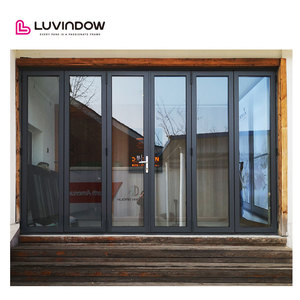
Soundproof Aluminium Laminated Bi-Fold Patio Door
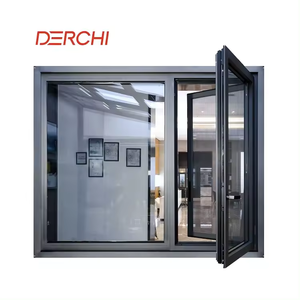
Thermal Break Double Glazed Casement System
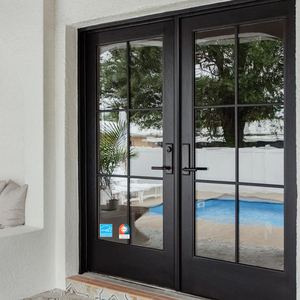
Tempered Glass Architectural French Swing Door
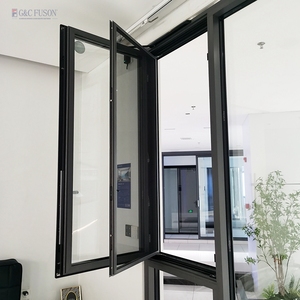
Pitched Aluminium Skylight & Awning Integration
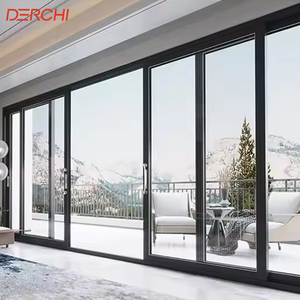
Heavy-Duty Commercial Multi-Slide Patio Door
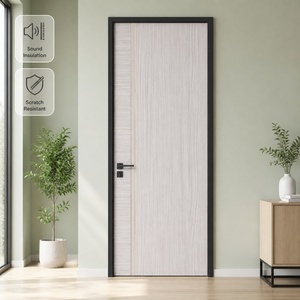
Architectural Alu-Clad Timber Hybrid Door
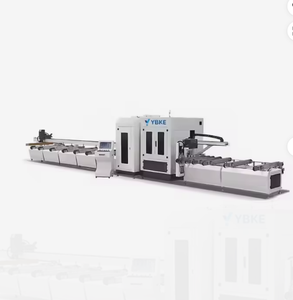
Automated CNC Window & Door Fabrication Line
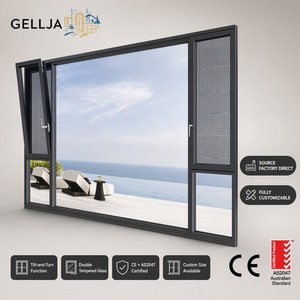
Tilt-and-Turn European Slim-Frame Assembly
Why Global Specifiers Source DERCHI Fenestration Systems
Guangdong Dejiyoupin Doors and Windows Co., Ltd. (DERCHI) operates one of Asia's most advanced fenestration manufacturing hubs, integrating German precision tooling with vertical supply integration.
Top 10 Chinese Premium Brand
Ranked among the premier fenestration brands in China, DERCHI commands an expansive 180,000 square-meter production facility in Foshan, Guangdong. Our automated production pipelines handle end-to-end aluminium extrusion, surface coating, precision CNC machining, thermal break crimping, and computerized QA pressure benchmarking.
AS 2047 N6 & Global Compliance
Every aluminium door batch complies with rigorous international testing: Australian AS 2047 N6 structural cyclonic standards, CE European fenestration safety harmonized directives, ISO 9001 certified manufacturing rigor, and UL fire-rating criteria. Engineering documentation includes validated wind loading, air infiltration, and water penetration certifications.
International Project Footprint
DERCHI systems are specified across premium developments in North America, Australia, the United Kingdom, Southeast Asia (Philippines, Vietnam, Thailand, Malaysia, Singapore), and the Middle East. From luxury seaside residential estates to high-traffic hotel lobbies and commercial complexes, we deliver end-to-end BIM/CAD engineering alignment.
Engineering Metallurgy & Thermal Physics in Aluminium Doors
An exhaustive structural evaluation of primary architectural extrusion alloys, multi-cavity barrier profiles, surface passivations, and acoustic glass integration.
Primary Architectural Alloys: 6063-T5 vs. 6063-T6 Extrusion Structural Rigidity
Aluminium framed doors operating in high-wind zones, extreme thermal gradients, or heavy seismic areas demand non-negotiable structural metallurgy. Commercial fenestration specifiers must differentiate between 6063-T5 and artificial aging heat-treated 6063-T6 alloys. At DERCHI, all commercial door stiles, heavy multi-slide rails, and oversized pivot frames are extruded from virgin A00 grade primary ingots, completely eliminating recycled scrap that induces intergranular micro-fissuring.
Heat-treated to a T6 temper, the profile yields an ultimate tensile strength exceeding 205 MPa (compared to 145 MPa for standard T5) and a minimum yield strength of 170 MPa. This enhanced metallurgical modulus permits ultra-slim sightlines as narrow as 28mm while sustaining structural wind load resistances exceeding 4,500 Pa (equivalent to AS 2047 N6 and ASTM E330 cyclic pressure requirements). Frame web thicknesses range from 2.0mm to 3.5mm across critical load-bearing screw anchors and hinge fastening tracks, preventing thread stripping and frame sag across decades of high-frequency operation.
Acoustic Dampening, Multi-Chamber Cavities, and EPDM Perimeter Gasketing
Modern architectural projects in urban centers and hospitality environments place stringent requirements on Sound Transmission Class (STC) ratings. Aluminium alone exhibits high sound transmission; therefore, acoustic mitigation relies on asymmetric laminated glass pairing (e.g., 6mm Low-E + 12A Argon + 4mm + 0.76mm acoustic PVB + 4mm clear) combined with hollow multi-cavity profile geometry. The interstitial cavities are engineered to disrupt resonant frequencies, while secondary and tertiary EPDM vulcanized gaskets provide uninterrupted acoustic dampening.
DERCHI's proprietary sealing systems eliminate the air bypass vectors that commonly degrade laboratory-tested STC ratings. By pairing continuous co-extruded EPDM gaskets with multi-point perimeter compression locking hardware (such as German Siegenia or HOPPE systems), the installed assembly achieves field acoustic reductions of Rw 38 to 44 dB, neutralizing highway, aviation, and dense street noise.
| Performance Parameter | Commercial Sliding System | Thermal Pivot Assembly | Bi-Fold Accordion Door | Testing Standard |
|---|---|---|---|---|
| Thermal Transmittance (U-Value) | 1.5 - 1.8 W/m²·K | 1.3 - 1.6 W/m²·K | 1.6 - 1.9 W/m²·K | ISO 10077-1 / NFRC 100 |
| Acoustic Attenuation (STC / Rw) | Rw 36 - 40 dB | Rw 38 - 42 dB | Rw 35 - 39 dB | ASTM E90 / ISO 717-1 |
| Structural Wind Load (Cyclonic) | 4,500 Pa (N6 Grade) | 3,800 Pa Design Load | 3,600 Pa Service Load | AS 2047 / ASTM E330 |
| Water Penetration Resistance | 700 Pa (Static & Dynamic) | 600 Pa Cascade Tested | 500 Pa Low-Subsill | AAMA 501.1 / EN 12208 |
| Air Infiltration Rate | < 0.15 m³/hr·m (Level 8) | < 0.10 m³/hr·m | < 0.20 m³/hr·m | ASTM E283 / EN 12207 |
| Surface Coating Durability | AAMA 2605 PVDF (20-Yr) | AkzoNobel 3-Coat Fluorocarbon | Anodized 25μm Architectural | ASTM B117 (3,000h Salt Spray) |
Future Sourcing & Procurement Trends in Aluminium Doors
Key structural shifts, carbon metrics, smart integration, and climatic resilience shaping international facade procurement over the next decade.
Low-Embodied Carbon & ASI Traceability
Global ESG regulations (EU CBAM and US Buy Clean initiatives) are penalizing high-emission primary metals. The future of aluminium door procurement mandates certified low-carbon smelting powered by hydro or solar renewable energy (producing <4.0 kg CO₂e/kg Al compared to traditional coal-fired 16.0 kg). DERCHI's supply chain tracks verifiable Environmental Product Declarations (EPDs), granting LEED v4.1 and BREEAM green building points to specifiers and commercial developers worldwide.
Concealed IoT Actuation & Smart Access
The boundary between physical architectural hardware and smart home automation is dissolving. Heavy commercial sliding stiles and grand residential pivot panels are increasingly specified with concealed motorized drive belts, magnetic contactless floor locks, and integrated biometric access. Low-voltage bus cabling routed inside dedicated extrusion wiring races allows seamless interoperability with KNX, BACnet, and Zigbee building management networks.
Cyclonic, Typhoon & Coastal Corrosion Engineering
Rising severe weather frequencies across coastal zones (from Florida and the Caribbean to the typhoon-swept coastlines of the Philippines and Vietnam) require heightened impact standards. Procurement demands Miami-Dade County hurricane missile impact glass certifications, stainless steel grade 316 architectural hardware, and specialized Qualicoat Class 3 powder coatings or PVDF treatments resistant to persistent C5-M extreme marine salt spray.
The Technological Evolution: From Simple Extrusions to High-Performance Envelopes
How the global building industry transformed single-pane aluminium frames into intelligent, load-bearing facade systems.
Phase 1: Cold Profiles and the Condensation Dilemma (1970s – 1990s)
In the initial era of mass-market architectural aluminium doors, solid non-thermal-break extrusions dominated. While prized for their lightweight properties, rotational strength, and anti-rot characteristics compared to wood, standard aluminium profiles possessed a major thermal flaw: high thermal conductivity (λ ≈ 160 to 200 W/m·K). In heated interiors during winter or air-conditioned spaces in tropical climates, non-thermal frames exhibited severe perimeter condensation, leading to interior drywall rot, mold formation, and substantial heating/cooling losses.
Phase 2: The Introduction of Polyamide Isothermal Barriers (2000s – 2015)
The introduction of the "thermal break" revolutionized commercial fenestration. By mechanically splitting the exterior and interior extrusion halves and joining them using structural polyamide strips (PA66 GF25), thermal conduction was interrupted. Early thermal barriers ranged from 12mm to 16mm in depth. These profiles achieved modest U-values between 2.8 and 3.5 W/m²·K, solving basic condensation issues but falling short of modern passive cooling and heating requirements in demanding international climate zones.
Phase 3: Multi-Chambered Aerogel Insulation & Flush Structural Aesthetics (2016 – Present)
Today, high-end aluminium framed doors represent pinnacle structural engineering. Extrusions feature multi-cavity thermal barriers exceeding 34mm to 45mm in depth, frequently back-filled with rigid polyurethane foam, expanded polyolefin (PE), or nanoporous aerogel blankets. Concurrently, corner joints have transitioned from rudimentary self-tapping mechanical screws to computerized hydraulic corner crimping using cast corner keys and two-component structural epoxy injections.
This structural rigidity permits ultra-oversized floor-to-ceiling glass expanses (leaf heights up to 6,000mm and weights up to 800kg) operated via frictionless concealed pivot bearings or bottom-weighted heavy-duty sliding bogies. As an exporter and manufacturer, DERCHI stands at the crest of this architectural movement, providing developers, contractors, and design offices with turn-key engineered assemblies that meet stringent net-zero carbon envelope specifications.
B2B Buyer's Guide: Optimizing TCO and Quality Assurance
Actionable procurement methodologies for general contractors, commercial developers, and regional importers sourcing from China.
LOD 300+ CAD & BIM Collaboration
To avoid costly site retrofits, procurement contracts should mandate manufacturer-provided CAD shop drawings and BIM (Revit/IFC) models prior to extrusion slicing. DERCHI engineers generate full-scale perimeter interface details, anchoring schedules, and threshold flashing sub-sills to ensure zero interference with adjacent concrete, structural steel, or stone claddings.
AQL 1.0 Factory Acceptance Testing
Ensure your supplier adheres to rigorous Acceptance Quality Limit (AQL) protocols. At DERCHI's Foshan plant, doors undergo pre-assembly trials, corner squareness verification within ±0.5mm, diagonal differential checks, coating thickness eddy-current gauge verification, and dynamic water spray tests in our factory mock-up chamber before crating.
Heavy Export Packaging & Ocean Logistics
A premier product ruined in maritime transit offers zero value. DERCHI uses full fumigated plywood crate enclosures with internal anti-scratch PE film wrapping, high-density edge corner guards, moisture desiccant bags, and heavy-duty steel strapping. Crates are pre-labeled with floor, unit, and opening numbers to speed up on-site staging.
Frequently Asked Engineering & Sourcing Questions
Direct technical resolutions addressing the most critical search queries and procurement concerns of international fenestration buyers.
Q1: How does DERCHI ensure Australian AS 2047 and N6 compliance?
Our products are engineered and tested in accordance with AS 2047 and AS/NZS 4420 standards. This covers air infiltration, water penetration resistance up to 700 Pa, ultimate strength deflection tests up to ±4,500 Pa (N6 cyclonic designation), and 50,000-cycle operational endurance testing. Comprehensive certified test reports from accredited laboratories are supplied with project tenders.
Q2: What makes 6063-T6 superior to standard 6063-T5 aluminium?
6063-T6 undergoes rigorous solution heat treatment followed by precision artificial precipitation aging. This increases tensile yield strength by more than 35% over T5. For heavy sliding leaves exceeding 300kg or expansive architectural pivot doors subject to wind gusts, T6 provides critical stiffness that prevents bowing, rail deflection, and lock misalignments.
Q3: Can large pivot doors maintain weather-tight seals in wet climates?
Yes. Unlike basic pivot systems that use simple felt brush strips, DERCHI engineers integrate drop-down automatic perimeter acoustic gaskets, magnetic interlocking seals, and sub-sill cascade drainage channels with one-way weep valves. This multi-layered barrier defends against typhoon-driven rain while maintaining effortless single-finger rotational balance.
Q4: What surface coating is recommended for marine or coastal sites?
For buildings located within 1.5 km of ocean shorelines (e.g., coastal Australia, the Philippines, or Florida), we specify AAMA 2605-compliant PVDF fluorocarbon finishes (70% Kynar 500 resin base) or 25-micron class 1 architectural anodization. These finishes resist ASTM B117 salt spray for over 3,000 to 4,000 hours without chalking, color fading, or filiform pitting.
Q5: What are the lead times and production minimums (MOQ) for custom sizes?
We accommodate custom sizes and architectural schedules directly from drawings without steep MOQ penalties. Standard sample or private villa orders ship within 20 to 25 business days following shop drawing sign-off; high-volume commercial container orders average 30 to 35 days, with staged delivery schedules supported.
Q6: How do you prevent electrolytic galvanic corrosion between metals?
All fastening screws, hinge reinforcement plates, and rolling gear components are manufactured from premium 304 or 316 austenitic stainless steel. Furthermore, every metal-to-metal interface incorporates non-conductive dielectric nylon isolation shims or EPDM barrier gaskets to completely eliminate galvanic electron transfers in humid or marine atmospheres.
Partner with China's Premier Aluminium Door Manufacturer
Whether you are drafting a private villa masterplan, specifying a commercial hotel facade, or seeking an authorized regional distribution partnership, our Foshan engineering team delivers tailored CAD proposals and factory-direct pricing within 24 hours.
Get Catalog