Commercial Aluminium Door & Window Solutions
Direct factory fabrication delivering precision 6063-T6 aluminium alloy shopfront doors, thermal break bi-folds, heavy architectural casements, and engineered glass facade systems compliant with AS 2047, CE, and NFRC standards.
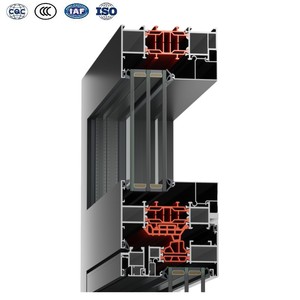
Aluminium Tempered Glass Bifolding Windows Horizontal Folding System
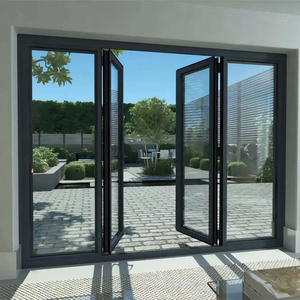
High Quality Customized French Style Aluminum Tempered Glass Casement Doors
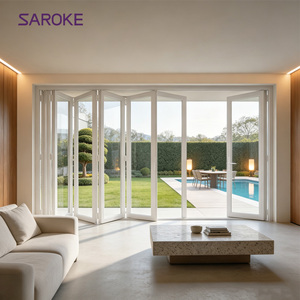
Large 4 Meter White NFRC Exterior Aluminium Folding Bifold Commercial Patio Doors
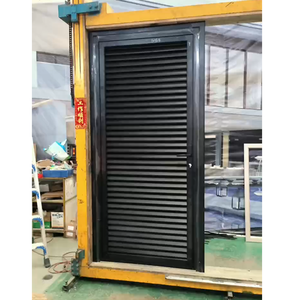
Powder Coated Exterior Aluminum Louver Door Shutter Door System
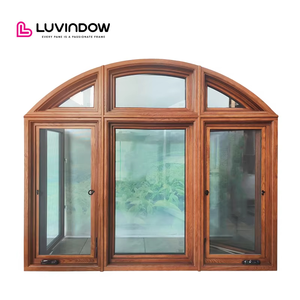
Architectural Aluminum Clad Wood Beveled Window Frame Leaded Glass
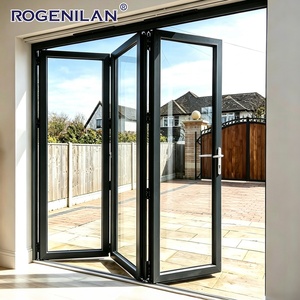
Thermal Insulation Triple Glass Aluminum Accordion Retractable Shopfront Doors
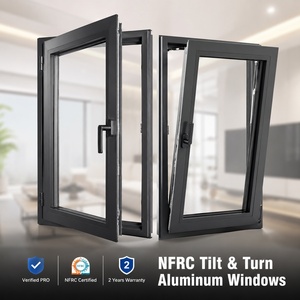
NFRC Narrow Frame Double Glazed Thermal Break Modern Aluminium Shop Windows
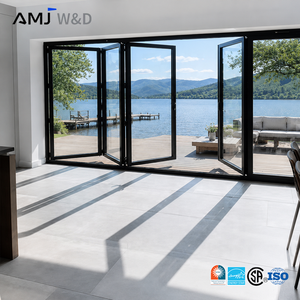
Exterior Heavy Duty Thermal Break Bi-Fold Accordion Aluminum Glass Commercial Doors
Structural Rigidity, Metallurgical Grading & Thermal Insulation
When specifying aluminium shop doors for high-traffic retail hubs, boutique storefronts, and hospitality resorts, standard residential joinery fails under wind shear, mechanical deflection, and thermal transfer. Below is the structural engineering baseline applied by DERCHI to every export assembly.
1. Extrusion Chemistry & Structural Deflection Limits
Commercial storefront entrance systems require uncompromising cross-sectional wall thickness to resist torsion and continuous hardware load cycles. Standard retail doors fabricated with 1.2mm or 1.4mm profile walls quickly buckle under heavy closers and automated pivot strain. DERCHI utilizes prime 6063-T6 virgin aluminium billet extrusions with critical wall thicknesses ranging from 2.0mm to 3.5mm. This heavy web profile structure achieves structural deflection compliance below L/175 under design wind loads, and can be engineered to L/240 for extreme typhoon coastal exposures common across Southeast Asia, North America, and Pacific trade regions.
2. Polyamide PA66-GF25 Thermal Barrier Engineering
Storefront portals constitute the primary thermal transition zone of a retail building envelope. Direct conductive bridging through continuous aluminium creates condensation, HVAC load spikes, and seal degradation. Our thermal-break commercial shop doors incorporate reinforced Polyamide PA66-GF25 (25% glass fiber reinforced nylon) multi-chamber insulating strips. This mechanical barrier decouples interior and exterior aluminium sections, lowering overall window U-factors to Uw ≤ 1.4 W/(m²·K) when paired with Low-E argon insulated glazing units (IGUs). The PA66 barrier coefficient of thermal expansion mirrors aluminium, preventing delamination and joint failure across annual temperature differentials spanning -30°C to +75°C.
3. High-Duty Cycle Heavy Hardware & Concealed Floor Springs
A commercial shop door is only as resilient as its mechanical articulation point. While typical residential butt hinges suffer hinge droop after 50,000 cycles, our heavy-duty commercial pivot systems employ German-engineered concealed hydraulic overhead concealed closers and bottom floor springs tested to 1,000,000 operating cycles (EN 1154 compliant). Featuring adjustable backcheck, dual independent closing speed valves, and 304/316 grade stainless steel pivot shafts, these shopfront portals comfortably manage door leaves up to 450 kg with zero frame sag and pinpoint latch alignment.
| Performance Parameter | Generic Commodity Supplier | DERCHI Heavy Commercial Standard | Verification Standard |
|---|---|---|---|
| Alloy Matrix & Temper | Recycled Scraps / 6063-T5 (1.2–1.4mm) | Primary Virgin 6063-T6 (2.0–3.5mm Web) | ASTM B221 / GB 5237 |
| Wind Pressure Resistance | Class 3 (≈ 2000 Pa) | Class N6 Cyclonic (> 4500 Pa Peak) | AS 2047 / ASTM E330 |
| Air Infiltration & Water Seal | Single Wool Pile Strip / < 150 Pa | Triple EPDM Co-Extrusion / ≥ 450 Pa | AAMA 501.1 / EN 12208 |
| Acoustic Attenuation (STC) | STC 26–28 dB (Monolithic Glass) | STC 38–44 dB (Laminated Insulated Glass) | ASTM E90 / ISO 10140 |
| Surface Anodizing / Coating | Standard Mill < 10μm or Mixed Powder | Qualicoat Class 2 / PVDF 3-Coat / 25μm | AAMA 2605 / ISO 2810 |
Direct Manufacturing Muscle from Foshan to the World
Operating from our 180,000 square-meter smart production base in Foshan, Guangdong Dejiyoupin Doors and Windows Co., Ltd. (DERCHI) stands among China's Top 10 door and window brands. We combine deep metallurgical manufacturing with dedicated export project engineering.
180,000 ㎡ Mega Production Hub
Equipped with computerized German double-mitre saws, automated 4-axis CNC milling centers, and automated corner crimping lines, ensuring micron-level joinery precision across massive volume commercial schedules.
Certified Global Code Compliance
Fully certified to CE (EN 14351-1), AS 2047 N6, ISO 9001, and UL 10C fire door parameters. Our engineering department supplies complete technical submittals and stamped structural calculations for local council sign-off.
100% Free Shop Drawings & BIM
Our dedicated bilingual project engineers generate complimentary AutoCAD elevations, floor plan anchor details, glass stress analyses, and 3D BIM models to eliminate on-site opening discrepancies prior to metal extrusion.
Emerging Procurement Trends for Commercial Aluminium Portals
International real estate developers, hospitality chains, and commercial general contractors are shifting procurement strategies to accommodate decarbonization policies, smart security automation, and post-modernist architectural minimalism.
1. Ultra-Narrow Sightline Storefronts
Modern retail environments demand maximum visual permeability to showcase interior displays. Procurement is migrating toward minimalist perimeter outer-frames with sightlines under 35mm, achieved through structural silicone glazing and internal high-tensile steel reinforcements embedded inside the hollow aluminium profiles.
2. Low-Carbon Recycled Billets (CBAM Ready)
With environmental reporting and carbon cross-border adjustments (such as EU CBAM) gaining regulatory traction, Tier-1 buyers require Environmental Product Declarations (EPDs). Procuring aluminium manufactured with renewable hydroelectric smelting drastically cuts embodied carbon to under 4.0 kg CO₂e per kg of extrusion.
3. Integrated Access Control & Smart Portals
Manual mechanical locksets are rapidly being replaced by motorized multi-point latching concealed inside the shop door frame. These connect natively with facial recognition, RFID keycards, automatic magnetic egress sensors, and central Building Management Systems (BMS) for automated opening and lockdown cycles.
Frequently Asked Questions on Aluminium Shop Door Sourcing
Authoritative insights addressing common technical, regulatory, and logistics inquiries from international architects, developers, and commercial procurement officers.