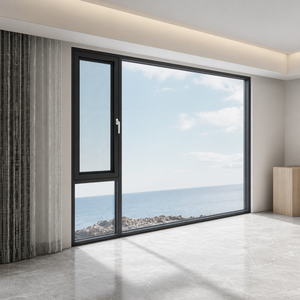
Aluminum Glass Interior Casement Window Fixed Panel Design
Narrow stile French aesthetic engineered for modern farmhouses and villa revitalizations, delivering high daylight capture and acoustics.
Custom structural profiles, thermal barrier polymers, and multi-point hardware engineered for luxury estates, commercial façades, and coastal developments worldwide.
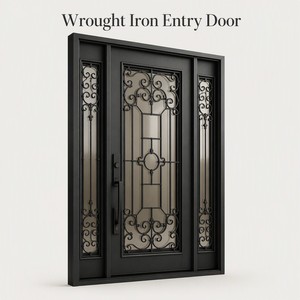
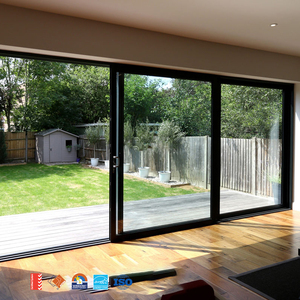
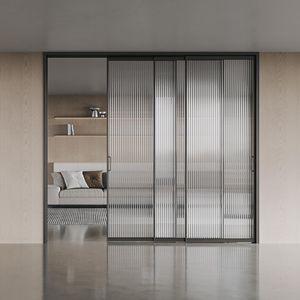
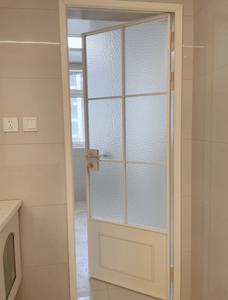
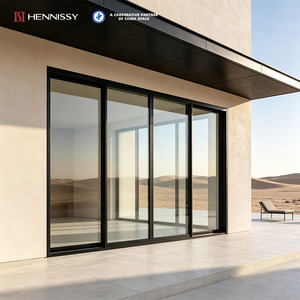
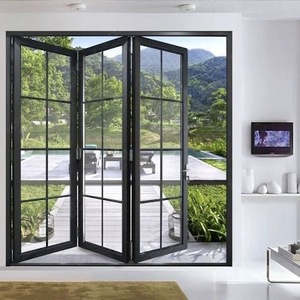
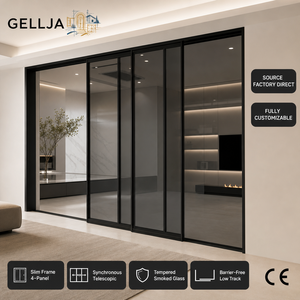
As the international construction and luxury architectural landscape evolves, the demand for high-performance fenestration has elevated the status of China top aluminum French windows suppliers & exporters. Historically regarded as simple aesthetic dividers characterized by symmetrical lites, contemporary French windows have transitioned into mission-critical building envelope components. Today, developers, civil contractors, and façade consultants require windows that reconcile classic European proportions with high structural stiffness, acoustic damping, and strict energy efficiency standards such as Passive House, NFRC, and AS 2047.
Operating from China's primary manufacturing hub in Foshan, Guangdong, Guangdong Dejiyoupin Doors and Windows Co., Ltd. (DERCHI) operates a specialized 180,000 m² smart manufacturing center. DERCHI engineers French casement and fixed fenestration systems using primary 6063-T5 and 6063-T6 aluminum alloys. These systems address extreme climate challenges: from Category 5 typhoons in the Philippines and coastal salt-spray degradation along Australian shorelines, to strict thermal retention requirements across North America and Europe.
Global procurement teams for residential master developments, boutique resorts, and commercial mixed-use high-rises have moved away from basic commodity purchasing toward holistic lifecycle evaluations. Recent market analysis reveals three critical procurement shifts:
Thermal breaks utilizing PA66 GF25 reinforced polyamide strips are now standard. Buyers specify whole-window U-factors below 1.6 W/(m²·K), requiring advanced multi-chamber profiles to eliminate internal frame condensation in extreme climates.
Driven by unpredictable severe weather patterns, developers across Southeast Asia, the Pacific Basin, and Florida require AS 2047 N6 and ASTM impact ratings. These standards demand structural deflection resistance under pressures exceeding 4500 Pascals.
Architects specify slim visual sightlines reminiscent of traditional steel Crittall designs, but engineered within thermally broken aluminum extrusions. Parametric CAD/BIM models are required early to verify load-bearing values before extrusion begins.
The manufacturing of aluminum French windows is shifting from labor-intensive assembly to digitalized, precision manufacturing. Future performance benchmarks center on three technological developments:
1. Surface Coating Chemistry and Micro-Environment Resilience: Coastal construction projects frequently experience salt-fog oxidation, resulting in chalking and premature coating delamination. Premium suppliers now utilize fluorocarbon PVDF (polyvinylidene fluoride) liquid coatings and Class 2/Class 3 super-durable powder systems certified by Qualicoat and AAMA 2605. These finishes withstand over 4,000 hours of continuous salt-spray testing, guaranteeing color stability and barrier protection for 20 to 30 years.
2. Vacuum Insulated Glass (VIG) Integration: While double-pane and triple-pane IGUs (Insulated Glass Units) with argon gas fills remain the commercial baseline, next-generation slimline French profiles are designed to incorporate thin Vacuum Insulated Glass. Achieving centre-of-glass thermal performance down to U-values of 0.47 W/(m²·K) within an 8.3mm profile thickness allows traditional multi-lite colonial configurations to achieve exceptional energy efficiency.
3. Concealed Structural Multi-Point Locking: Contemporary aesthetics favor flush external surfaces and concealed hardware. European groove technology (standardized 13.5mm and 20mm systems) integrates multi-point locking pins driven by precision mechanical linkages. This ensures continuous, airtight perimeter compression against high-density EPDM gaskets, significantly improving laboratory-measured sound transmission class (STC) ratings up to 42 dB.
| Performance Vector | Generic Commodity Standard | DERCHI AS 2047 / NFRC Series | Engineering Significance |
|---|---|---|---|
| Alloy Composition | Recycled / Secondary Alloy Scrap | Virgin 6063-T5 / T6 High-Purity Ingot | Eliminates structural porosity; enables ultra-fine anodizing and PVDF adhesion. |
| Thermal Transmittance (U-Value) | 2.8 – 3.8 W/(m²·K) | 1.3 – 1.8 W/(m²·K) (PA66 Polyamide) | Reduces building HVAC cooling and heating electrical loads by up to 34%. |
| Water Penetration Resistance | 150 Pa – 200 Pa | 600 Pa – 900 Pa (AS 2047 N6 Standard) | Prevents water ingress during typhoon and cyclone torrential rainfall events. |
| Acoustic Attenuation (STC) | 24 – 28 dB | 38 – 45 dB (Laminated / Double Low-E) | Attenuates low-frequency urban traffic noise, suitable for luxury hospitality. |
Recognized as one of the Top 10 premium brands in China's fenestration sector, Guangdong Dejiyoupin Doors and Windows Co., Ltd. (DERCHI) combines extensive manufacturing capacity with strict adherence to international standards:
Our manufacturing complex houses automated 45-degree and 90-degree CNC double-mitre saws, German-engineered multi-axis profile machining centers, and automated corner crimping lines. These systems achieve diagonal tolerances within 0.5 millimeters across oversized window spans. Supported by 600+ skilled personnel, our engineering department delivers free structural calculations, BIM modeling, and CAD shop drawings tailored to the building schedules of architects and façade consultants.
Having proven our project capabilities across complex international installations—from high-wind oceanfront luxury residences in North America to master-planned villa resorts in Southeast Asia (notably exhibited at WORLDBEX 2025 in the Philippines)—DERCHI provides end-to-end export support. This includes customized sea-freight timber crating, moisture-barrier sealing, clear floor-by-floor site labeling, and structural engineering compliance documentation for straightforward local municipal approvals.
We analyze wind-load profiles based on site elevation, geography, and structural wind maps. We engineer heavy profile wall thicknesses (up to 2.0mm – 3.0mm) reinforced with internal stainless steel or aluminum structural stiffeners to ensure compliance with AS 2047 N6 deflection criteria.
Our window and door systems hold international testing certifications including CE, ISO 9001, Australian AS 2047, North American NFRC thermal metrics, and applicable UL fire-rated standards, accompanied by factory test reports for local building control authorities.
Yes. Our in-house extrusion and finishing workshops produce custom architectural profiles, true divided lite (TDL) grids, simulated divided lites (SDL), along with custom dual-color powder coatings, AkzoNobel fluorocarbon finishes, and ultra-realistic wood-grain transfers.
Products are wrapped with multi-layer protective PE film, edged with reinforced corner protectors, wrapped in shock-absorbing bubble polymer, and packed into fumigated seaworthy plywood crates. Crates feature moisture desiccants and integrated forklift skids for safe handling.
Standard engineering CAD drawings are completed within 48 to 72 hours. Once shop drawings are approved, production runs typically complete in 25 to 35 days depending on profile and glass specifications. Multi-phase deliveries can be aligned with site construction milestones.
We supply project-specific installation manuals, 3D exploded assembly diagrams, video instructions, and remote video consultations with our engineering team in Foshan (GMT+8) to resolve on-site anchor, flashing, and leveling requirements.