Featured Aluminum Jali & Architectural Fenestration Portfolios
Precision-machined architectural aluminum systems engineered with heavy-duty structural profiles, integrated security lattice screens (Jali), high-performance thermal breaks, and international compliance ratings.
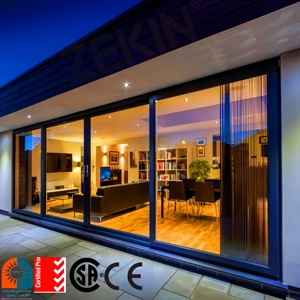 Heavy-Duty Series
ZEKIN Customized Heavy Duty Aluminum Glass Sliding Doors
- Double Tempered Low-E Glazing
- High Weight-Bearing Stainless Rollers
- Multi-Point Mortise Hardware
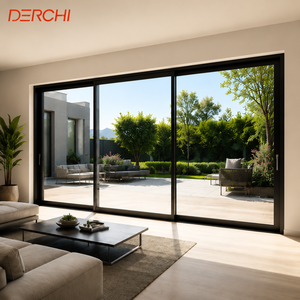 Thermal Break
Thermal Break Commercial Automatic Sliding Glass Door
- Polyamide PA66 Thermal Barriers
- Automated Commercial Sensor Control
- Heavy Gauge 6063-T6 Extrusions
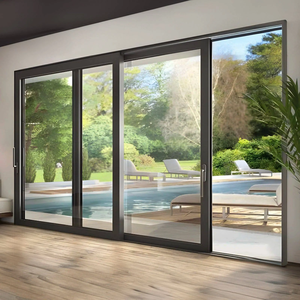 AS2047 / CE
AS2047 CE NFRC Impact Double Glazed Balcony Sliding Doors
- Hurricane Impact Resistance
- Certified NFRC Thermal Values
- Superior Water Penetration Barrier
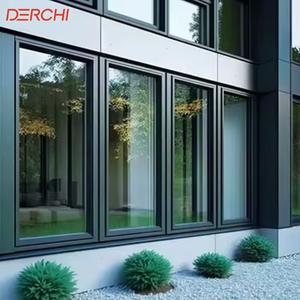 Acoustic Guard
High Efficiency Double Glass Windproof Aluminum Casement Windows
- Pressure Equalized Drainage
- EPDM Continuous Gasket Strips
- Multi-Point Peripheral Lock Rods
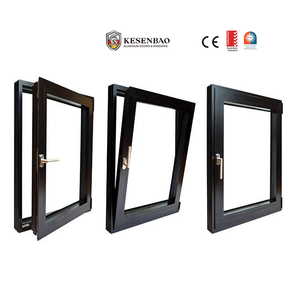 Jali Mesh Screen
Black Slim Frame French Casement Window With Mosquito Nets
- Integrated Stainless Mesh Jali
- Ultra-Narrow Minimalist Sightlines
- High-Precision Corner Cleating
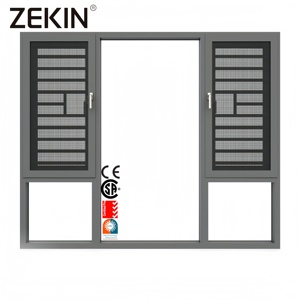 Burglar-Proof
ZEKIN Modern Casement Windows Multi Locking Burglar-Proof Jali Screen
- 0.8mm High-Tensile Marine Mesh
- Magnetic Integrated Screen Seal
- CE Certified Louver Integration
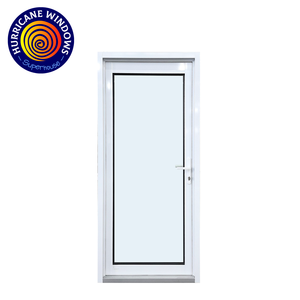 Security Gate
Hurricane Impact Aluminum Front Security Entrance Door
- Reinforced Anti-Pry Door Stile
- Cast-Aluminum Structural Plates
- Extreme Wind Load Rating
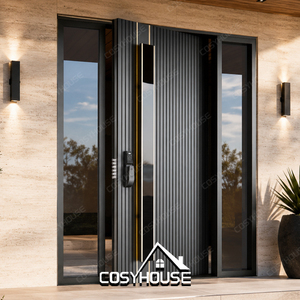 Villa Pivot
Modern Exterior Custom Luxury Architectural Villa Front Door
- Heavy Duty Pivot Axis Mechanism
- Flawless Fluorocarbon Surface
- Smart Biometric Access Control
Engineering Taxonomy: What Defines High-Performance Aluminum Jali Fenestration?
In classical South Asian and Middle Eastern architecture, the Jali (or Jaali) was a perforated lattice screen crafted from stone or timber to temper harsh sunlight, foster convective chimney cooling via the Venturi effect, and safeguard domestic privacy. In contemporary high-performance architectural engineering, this artisanal discipline has undergone an industrial metamorphosis. Modern aluminum Jali window and door systems synthesize three core structural innovations: high-tensile architectural aluminum extrusions (predominantly 6063-T5/T6 and 6061-T6 alloys), CNC laser-cut or extruded parametric lattice patterns, and integrated high-strength stainless steel woven security mesh (AISI 304/316) that surpasses global forced-entry benchmarks.
Today's architectural specifications no longer treat window screens as after-market secondary fixtures. Major commercial developments, luxury coastal villas, and high-density residential towers across Southeast Asia, the Middle East, Australia, and North America necessitate an integrated fenestration assembly. Leading Chinese manufacturing clusters, primarily centered in Foshan, Guangdong, have developed fully integrated dual- and triple-track systems combining glass sash units, heavy-duty thermal break barriers, and structural Jali screens within a unified outer master frame.
Sub-Frame Alloy Metallurgy
Extruded exclusively from primary aluminum billets (A00 grade) with controlled silicon and magnesium ratios. Minimum wall thicknesses conform to commercial load mandates: 1.4mm to 2.0mm for casement frames, and up to 3.0mm for heavy-duty multi-slide systems.
High-Tensile Jali Mesh Integration
Mesh cores utilize 0.80mm to 1.0mm diameter marine-grade SS316 wire woven in a precision square weave with an anti-knife shear rating of over 450 Joules. Profiles feature internal mechanical compression wedging to prevent mesh extraction.
Polyamide Thermal Barriers
Integrated PA66 GF25 (25% glass fiber-reinforced polyamide) thermal strips disconnect outdoor metal from interior sashes. This mitigates linear thermal conduction, ensuring U-values as low as 1.4 W/m²·K and preventing condensation damage.
Technical Specification Matrix: Commercial vs. Residential Jali Assemblies
To assist quantity surveyors, façade engineers, and international procurement officers during the RFP phase, the following technical matrix establishes the operational and structural baseline for China-manufactured aluminum Jali window products:
| Performance Metric | Residential Architectural Grade | Commercial / High-Rise Project Grade | Tropical / Coastal Extreme Grade |
|---|---|---|---|
| Alloy Specification | 6063-T5 (Yield > 110 MPa) | 6063-T6 / 6061-T6 (Yield > 170 MPa) | Primary Billet Al-Mg-Si Corrosion-Inhibited |
| Structural Profile Thickness | 1.4 mm – 1.8 mm | 2.0 mm – 2.5 mm | 2.5 mm – 3.2 mm (Reinforced Jambs) |
| Jali Security Screen Spec | 0.7mm SS304 Powder Coated | 0.8mm – 0.9mm SS316 Tensile Wire | 1.0mm Marine-Grade SS316 / CNC Cast Plate |
| Wind Pressure Rating | 1500 Pa to 2500 Pa (Serviceability) | 3000 Pa to 4000 Pa (Ultimate) | AS2047 N6 (> 4500 Pa Cyclonic Load) |
| Acoustic Isolation (Rw) | Rw 32 dB to 35 dB | Rw 36 dB to 42 dB | Rw 40 dB to 45 dB (Laminated Acoustic Core) |
| Surface Treatment Class | Qualicoat Class 1 (Powder 60-80μm) | Qualicoat Class 2 / PVDF 2-Coat | PVDF 3-Coat Fluorocarbon (AAMA 2605 > 40μm) |
Future Procurement Trends: Where is the Architectural Fenestration Market Headed?
Strategic B2B procurement professionals look beyond the direct price-per-square-meter quote. Shifting carbon policies, extreme tropical weather events, and labor shortages in downstream markets have driven three prominent market transitions:
1. Turnkey Modular Pre-Glazed Units
General contractors are eliminating site glazing to circumvent astronomical on-site labor overhead and quality defects. Factories in China are shipping pre-glazed, pre-hung casement and slider assemblies fitted with Jali grilles, sub-frames, and pre-drilled fixing lugs, slashing job-site install cycles by up to 60%.
2. Thermal Decoupling & Passive Design
Green building councils across the GCC, ASEAN, and North America enforce rigorous Solar Heat Gain Coefficients (SHGC < 0.25). The modern aluminum Jali acts as an external micro-shading screen, reflecting radiant heat before it strikes the low-E insulated glass unit, dramatically lowering active air conditioning tonnage.
3. Smart Biometrics & Concealed Hardware
Architectural minimalists demand unobstructed visibility. New engineering protocols favor concealed friction stays, 180-degree internal hinges, magnetic mosquito screen retention, and electric motorized actuators concealed within the head tracks of aluminum Jali sliding systems.
The Factory Selection Audit: Mitigating Risks When Sourcing from China
Sourcing directly from Chinese fenestration producers offers unbeatable capital efficiency, provided the enterprise is an authentic industrial manufacturer rather than an export trading intermediary. Sourcing directors should audit prospective factories against these critical manufacturing pillars:
1. In-House CNC Machining & Extrusion Control: Premium tier manufacturers operate high-speed 4-axis and 5-axis CNC processing centers (such as FOM Industrie or Emmegi lines). Automated milling guarantees that slotting, water weep-holes, corner cleat crimping, and lock cylinder cuts maintain tolerances under ±0.1mm. Hand-routed aluminum profiles invariably lead to water intrusion during monsoon winds.
2. Structural Corner Joint Mechanics: Inferior producers rely on mechanical screw assembly with exposed face joints. World-class factories utilize hydraulic corner crimping combined with cast-aluminum corner keys and dual-component polyurethane corner injection glue (e.g., Weiss Cosmokoll). This creates an impenetrable hydrostatic barrier that prevents corner joint opening under severe seismic and typhoon deflections.
3. Certified Coating Quality Standards: Coastal projects across the Philippines, Vietnam, the UAE, or Florida suffer catastrophic filiform corrosion and chalking if surface pretreatment is substandard. Demand factory verification of automatic chrome-free passivation pretreatment, followed by AkzoNobel or PPG certified fluorocarbon (PVDF) electrostatic spraying, guaranteed against fading for 20 to 30 years under extreme UV indexing.
Guangdong Dejiyoupin Doors & Windows Co., Ltd. (DERCHI)
Recognized as one of China's Top 10 premium manufacturers in the architectural fenestration sector. For over 25 years, DERCHI has engineered, certified, and delivered project-grade aluminum doors, windows, integrated Jali screens, and security systems to premier developers across Southeast Asia, North America, Australia, and Europe.
Direct project engineering, custom CAD shop drawings, and competitive export pricing for developers and distributors.
Get CatalogProcurement & Technical FAQ: Sourcing Aluminum Jali Windows
Initiate Your Project Specification & Factory Quote
Send your architectural window schedules, CAD elevations, or bill of quantities. Our senior bilingual structural engineers provide technical feedback, wind load calculations, and comprehensive commercial proposals within 24 hours.
Get Catalog