High-Performance Aluminum Kitchen Windows
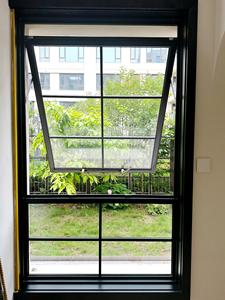
Engineered for ergonomic ventilation, grease resistance, thermal insulation, and strict international building envelope codes (AS2047, CE, AAMA).
Emerging Procurement Trends for Global Fenestration Buyers
Strategic purchasing criteria shift as institutional commercial developers, facade engineers, and volume distributors balance lifecycle carbon footprints, structural resilience, and supply chain transparency.
Thermal Decarbonization Mandates
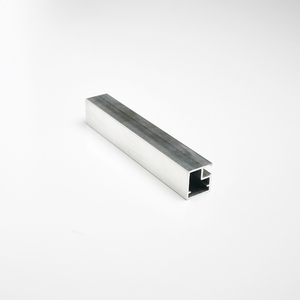
Global building codes—such as Title 24 in California, the EU Energy Performance of Buildings Directive (EPBD), and the National Construction Code (NCC) in Australia—mandate whole-window U-factors below 1.6 W/(m²·K). Procurement teams are phasing out non-thermal aluminum frames in favor of multi-chamber polyamide 6.6 insulation bars (PA66 GF25) reinforced with 25% glass fiber.
Severe Climate & Cyclone Engineering
Rapid climate shifts necessitate fenestration envelopes capable of enduring dynamic wind pressures exceeding 4500 Pa (equivalent to Category 5 typhoons) alongside cyclical water penetration tests up to 700 Pa. Australian AS2047 N6 testing parameters and Florida Building Code (HVHZ) compliance are rapidly emerging as benchmark standards across tropical Asia, Australasia, and coastal Americas.
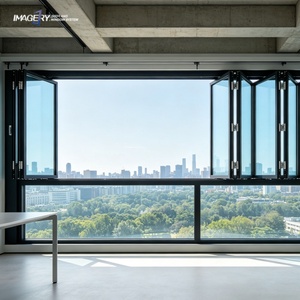
Bifold Servery Pass-Through Ergonomics
Modern luxury kitchens and hospitality spaces are dismantling barriers between internal cooking zones and outdoor dining areas. Heavy-duty bottom-rolling stainless steel quad-wheel hardware supports individual sash loads up to 100 kg while sustaining smooth track gliding over 100,000 cycles, optimizing both air change rates and architectural workflow.
Engineering Evolution in Kitchen Fenestration Systems
A rigorous examination of metallurgy, surface finishing chemistry, and glazing configurations customized for high-humidity, grease-laden cooking zones.
Oleophobic Nanocoatings
Traditional kitchen glass suffers from accelerated degradation caused by volatilized cooking oils and condensates. Modern production integrates vacuum-sputtered hydrophobic and oleophobic thin-film topcoats, preventing oil accumulation and allowing easy cleaning without caustic chemical detergents.
6063-T6 Primary Billet Alloys
Exporters of architectural integrity exclusively deploy virgin 6063-T5/T6 architectural aluminum alloy with web wall thickness strictly complying with GB/T 5237 (≥ 1.4mm to 2.0mm). This profile eliminates mechanical distortion under dead glass load and severe positive wind pressures.
Concealed Multi-Axis Hinges
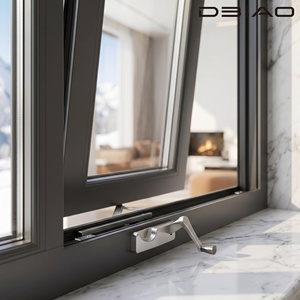
Eliminating visible exterior hinge barrels removes kitchen grease traps. Modern European standard groove 16mm (Euro-groove) hardware accommodates fully concealed hinges rated for 180° swing arcs, preventing grease buildup and simplifying routine sanitation.
Warm-Edge Acoustic Glazing
Dual-sealed insulated glass units (IGU) featuring structural warm-edge spacers (such as Technoform or Swisspacer) filled with 90% concentration Argon gas mitigate perimeter cold spots, eliminating thermal interior condensation during high-humidity cooking sessions.
| Performance Characteristic | Standard Commercial Grade | DERCHI Heavy-Duty Engineered Grade | Validation / Test Protocol |
|---|---|---|---|
| Frame Profile Alloy & Temper | Secondary Scrap Al / 6063-T5 | High-Purity Primary Billets 6063-T6 (1.6 - 2.2mm) | ASTM B221 / GB/T 5237.1 |
| Structural Wind Resistance | 1500 Pa – 2000 Pa | Up to 4500 Pa (AS2047 N6 Category Benchmark) | AS 4420.2 / ASTM E330 |
| Thermal Transmittance (U-Value) | 3.5 – 5.8 W/(m²·K) (Non-break) | 1.2 – 1.8 W/(m²·K) (Multi-cavity PA66 Break) | ISO 10077-2 / NFRC 100 |
| Surface Finish Durability | Standard Anodized 10μm | AkzoNobel Interpon D2015 Powder / PVDF 3-Coat | AAMA 2604 / AAMA 2605 (4000h Salt Fog) |
| Acoustic Damping Index | Rw 25 dB - 28 dB | Rw 38 dB - 44 dB (Acoustic PVB Laminated IGU) | ISO 717-1 / ASTM E413 |
Guangdong Dejiyoupin Doors and Windows Co., Ltd. (DERCHI)
A benchmark manufacturing enterprise recognized as one of the Top 10 premium architectural window and door systems brands in Foshan, China.
180,000㎡ Mega Production Base
Our expansive industrial park in Shishan Town, Nanhai District, Foshan, features automated precision CNC double-mitre extrusion saws, robotic corner-crimping cells, and high-capacity insulated glass lines, guaranteeing absolute dimensional fidelity and volume throughput.
Full International Certification
We take zero shortcuts with regulatory compliance. Every export window series holds legitimate, verifiable certifications including AS 2047 (Australia N6 Cyclic Pressure), CE (European Union EN 14351-1), ISO 9001 quality management, and UL fire-rated credentials.
Direct Architectural Engineering
Our dedicated engineering group provides complete value-engineering analysis: structural FEA wind calculations, shop drawings in DWG/BIM format, thermal U-value modeling, and tailored customization of opening configurations, mullion couplings, and installation sub-frames.
Frequently Asked Questions by Global Importers & Contractors
Technical clarity addressing structural certification, material specifications, and logistics workflows.
Accelerate Your Project with Certified Factory-Direct Fenestration
Send us your window schedules, architectural elevations, or opening dimensions. Our licensed facade engineers will deliver complete CAD shop drawings, structural wind-load validations, and transparent ex-factory wholesale quotations within 24 hours.
Get a Quote