Factory-Direct Catalog
Engineered Commercial Storefront & Window Wall Assemblies
Tested to stringent structural, acoustic, and thermal thresholds for global architectural project specifications.
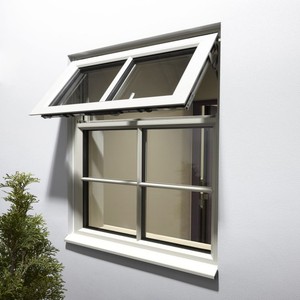
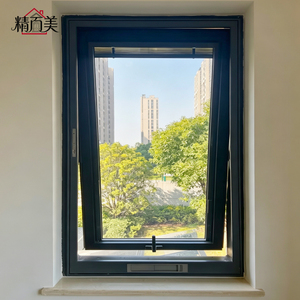
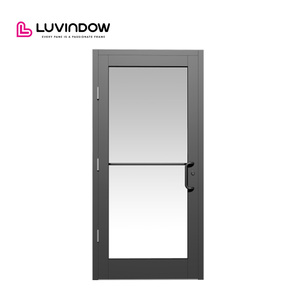
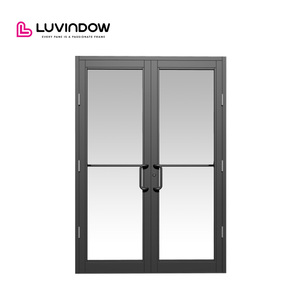
180,000㎡
Intelligent Manufacturing Hub
600+
Skilled Facade Engineers
100+
Patents & Global Certifications
AS 2047 N6
Tested Wind & Water Resistance
Architectural Engineering Whitepaper
Engineering Standards for Commercial Aluminum Storefront Systems
A comprehensive analysis of load parameters, thermal continuity, and structural envelope integration for global commercial contractors.
Alloy Metallurgy: 6063-T5 vs. 6061-T6
We utilize prime architectural billet 6063-T5 aluminum, optimized for precision extrusion tolerances, sharp sightlines, and superior anodizing quality. For load-critical mullions subject to extreme wind pressure, high-strength 6061-T6 structural inserts are incorporated to achieve structural deflection thresholds of L/175 and L/240 without bulky exterior visual mass.
Polyamide Thermal Barriers
Traditional storefront extrusions suffer from high thermal bridging. Our assemblies integrate PA66 nylon reinforced with 25% fiberglass thermal strips. This continuous break ensures low condensation risk (CRF > 65), achieving combined assembly U-values down to 0.28 BTU/hr·ft²·°F (1.59 W/m²·K) when integrated with argon-filled low-emissivity insulated glass units (IGUs).
Pressure-Equalized Drainage
Utilizing the rainscreen principle, internal sill flashing chambers feature balanced atmospheric pressure weep-hole geometry. Under differential cyclic water testing compliant with ASTM E331 and AS 2047, internal weeping systems swiftly expel wind-driven precipitation at up to 720 Pa without back-siphonage or internal wall pocket infiltration.
| Performance Parameter | Standard Commercial Grade | DERCHI Heavy-Duty Architectural Storefront | Verification Standard |
|---|---|---|---|
| Structural Wind Load (Ultimate) | 1.8 kPa - 2.4 kPa | Up to 5.0 kPa (AS 2047 N6 Rating) | ASTM E330 / AS 2047 |
| Water Penetration Resistance | 300 Pa Static | 720 Pa Dynamic Cyclic Pressure | ASTM E331 / AAMA 501.1 |
| Acoustic Attenuation (STC) | STC 28 - 32 | STC 42 - 48 (Laminated Acoustic PVB) | ASTM E90 / ISO 10140 |
| Surface Treatment Integrity | Standard Anodized (10µm) | Qualicoat Class 2 / PVDF 3-Coat (35µm) | AAMA 2605 (10-Yr Florida Chalk/Fade) |
Future Procurement Outlook
Emerging Trends Reshaping Storefront Procurement (2025–2030)
Architectural glass and framing procurement is moving away from fragmented job-site fabrication toward fully engineered, factory-assembled unitized systems. Understanding these structural industry transitions allows developers and general contractors to hedge against rising labor and energy compliance costs.
- Deep Decarbonization & Low-Carbon Aluminum: Institutional tenants demand verified Environmental Product Declarations (EPDs). Sourcing now requires hydroelectric-melted primary ingots with verified carbon intensities under 4.0 kg CO₂/kg Al.
- Structural Glazing with Concealed Vents: Storefront facades are adopting seamless four-sided structural silicone glazing (SSG) with zero-sightline upper-hung vents for natural retail store purge ventilation.
- Building Automation & Smart Access Integration: Integration of electromagnetic hardware, motorized concealed drop seals, and low-voltage access cables routed within extruded internal thermal chambers.
- Blast & Extreme Weather Hardening: Rapid adoption of multi-layer SentryGlas (SGP) ionoplast interlayers to mitigate increased hurricane frequencies in the Caribbean, Southeast Asia, and Coastal North America.
Total Cost of Ownership (TCO) in Glazing
Direct-from-factory procurement from verified Chinese manufacturers provides an immediate 35% to 50% material capex reduction over Western domestic distribution networks. However, the operational savings over a 25-year lifecycle stem from thermal efficiency and hardware endurance: multi-point locks tested to 100,000 cycles, EPDM dual-durometer continuous co-extruded gaskets that prevent thermal degradation, and factory-applied PVDF fluoropolymer finishes resistant to severe urban smog and maritime salt-spray atmospheres.
Guangdong Dejiyoupin Doors & Windows (DERCHI)
Operating from our modern 180,000 m² industrial production complex in Foshan, Guangdong, DERCHI stands among China's Top 10 fenestration manufacturers. For over 25 years, our 600+ engineers, extrusion specialists, and CNC operators have manufactured high-specification aluminum, cast aluminum, and glass fenestration assemblies for landmark hospitality, retail, and commercial developments globally.
From the strict coastal hurricane requirements of North America to typhoon-exposed beachfront resorts throughout Southeast Asia and the Middle East, our fully customized, factory-direct approach guarantees verified compliance, BIM/CAD shop engineering integration, and punctual delivery directly to project job sites.
CE Certified
ISO 9001:2015
AS 2047 N6 Accredited
UL Fire-Rated
AAMA Compliant
100+ National Patents
Procurement Guidance
Frequently Asked Questions: B2B Storefront Window Sourcing
Essential guidance for project developers, quantity surveyors, architects, and facade contractors importing commercial aluminum systems from China.
Q1: How are local building codes and wind pressures accommodated?
Every commercial production batch is tailored against architectural engineering schedules. Prior to profile cutting, our engineering department reviews wind load calculations (e.g., ASCE 7, AS 1170.2, EN 1991) to configure mullion depth, wall thicknesses (1.8mm–3.0mm), and glass build-ups (tempered, laminated SGP, or heat-strengthened) to meet project deflection criteria without failure.
Q2: What documentation is provided for building control approvals?
We supply full submittal packages including detailed CAD shop drawings, connection details, calculation books stamped by qualified facade engineers, material mill test certificates (MTC), glass performance data sheets (NFRC or European CE standards), and laboratory test reports for water tightness, air permeability, and structural wind resistance.
Q3: How does DERCHI ensure glass safe transit without breakage?
Large-format storefronts and heavy IGU glass panels are packed in export-certified, fumigated solid timber crates equipped with integrated lifting lugs and steel strapping. Glass lites feature anti-friction corner protectors, dessicant packs, and shock-absorbing rubber separators to withstand ocean transit and multi-stage container unloading on site.
Q4: Can you match proprietary architectural finishes and colors?
Yes. Our in-house coating lines support Qualicoat Class 2 certified architectural powder coats, AAMA 2605 fluoropolymer PVDF systems (PPG/AkzoNobel certified), and chemical anodizing up to 25 microns. We perform precision spectrophotometer matching to RAL, Pantone, or supplied physical architect control swatches.
Q5: What is the standard factory lead time for wholesale custom storefront runs?
Standard engineering approval takes 5 to 7 working days. Extrusion, powder coating, double-glazed IGU fabrication, and pre-assembly testing typically require 25 to 35 calendar days from signed shop drawings. Expedited schedules can be coordinated for phased multi-container development handovers.
Q6: Do storefront packages include all installation accessories?
Yes. Packages can be specified turn-key, encompassing pre-cut thermal frames, structural steel brackets, expansion sleeves, setting blocks, EPDM weather-gaskets, perimeter silicone backing rods, fixing anchor bolts, and field installation assembly manuals.
Request an Engineered Proposal & Factory Price Schedule
Submit your door and window schedule, architectural CAD elevations, or bill of quantities (BOQ). Our senior fenestration engineering team delivers preliminary shop calculations, hardware specifications, and FOB/CIF quotations within 24 hours.
Inquire Now