Factory-Engineered Aluminium Mosquito & Fly Screen Doors
Direct from our Foshan intelligent manufacturing base: precision-milled 6063-T5 aluminium alloy framing paired with high-tensile 304/316 marine-grade security meshes, designed for high-end residential estates, luxury hospitality resorts, and commercial developments.
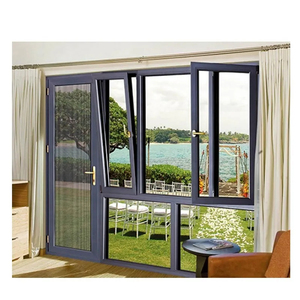
Fuson New Garden Design Aluminium Fly Screen Door House Window With Grill Design Fancy Design Casement Window Mosquito Net Door
- Alloy Grade: 6063-T5 Architectural
- Mesh Type: Integrated High-Tensile Mesh
- Application: Villa Casement & Balcony
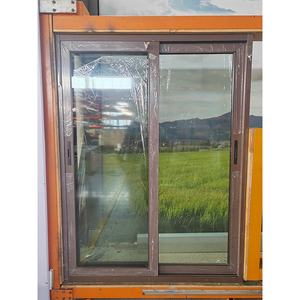
CHANGYI Australia Standard Aluminum Sliding Door Mosquito Net Waterproof Modern Design for Villa Patio Cavity Glass Sliding
- Certification: AS 2047 N6 Cyclonic
- Glazing: Double Tempered Low-E
- Profile: Cavity Sliding Heavy-Duty
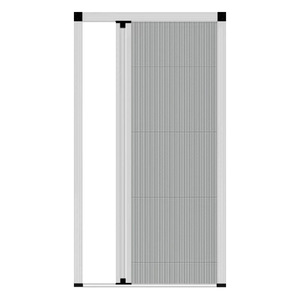
Customized Modern Aluminum Frame Invisible Folding Pleated Mesh Sliding Door for Home Window Anti Mosquito Door & Window Screens
- Screen Tech: Invisible Pleated Polymer
- Track Height: Ultra-Low Barrier 3mm
- Operation: Smooth Bi-Folding Glide
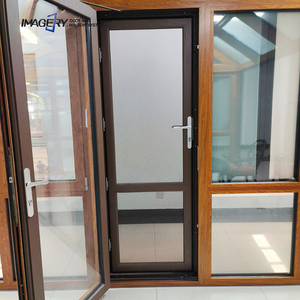
Corrosion Resistant Thermal Break Aluminum Casement Door With Anti Mosquito Security Screen For Residential Villa
- Insulation: Polyamide PA66-GF25
- Mesh: 0.8mm 304 Diamond Wire
- Finish: AkzoNobel Fluorocarbon
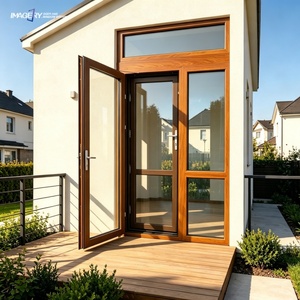
High End 120 Series Aluminum Casement Door Corrosion Resistant With Mosquito Security Screen For Villa Project
- Frame Depth: 120mm Structural Wall
- Locking: Multi-Point Security Vault
- Corrosion Class: C5-M Marine Rated
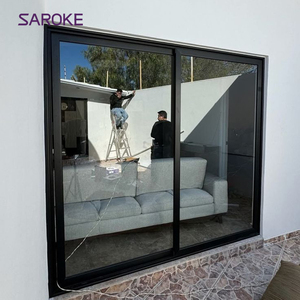
Weather Resistant With Mosquito Screen Thermal Insulated Aluminum Sliding Door for Outdoor Patio Terrace Application
- Acoustic Value: STC 38dB Damping
- Screen Track: Monorail Triple-Channel
- Resistance: Heavy Wind Pressure
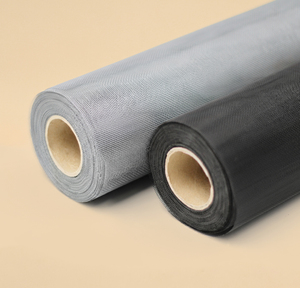
Customizable Black Magnetic Door And Window Screens Modern Design Stylish Mosquito And Fly Screen Netting
- Sealing: Continuous Neodymium Strip
- Installation: Zero-Disruption Retrofit
- Mesh Aperture: 18x16 Ultrafine Optic
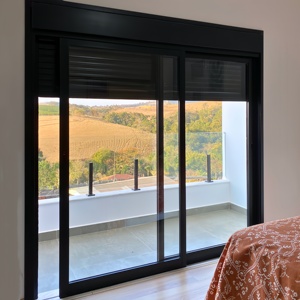
Interior Sliding Doors Aluminum Profiles windproof heat insulation Double Tempered Glass Door with fly screen for exterior villa
- Glass Spec: 5mm+12Ar+5mm Double Toughened
- Fly Screen: 316 Marine Stainless Mesh
- Weathering: EPDM Dual Lip Gaskets
Engineering Precision in Custom OEM Aluminium Mosquito & Insect Screen Doors
In contemporary architectural design, the boundary between interior sanctuaries and natural surroundings has become increasingly fluid. Large-span apertures, floor-to-ceiling glass systems, and panoramic outdoor patio connections define modern residential villas and luxury hospitality structures. However, this expansive spatial transparency introduces acute environmental challenges: vector-borne insect infiltration, elevated solar thermal gain, particulate ingress, and security vulnerabilities.
Procuring custom OEM aluminium mosquito doors is no longer a simple matter of choosing secondary insect netting. For commercial builders, tier-one facade contractors, and project developers across tropical and subtropical zones—ranging from the high-humidity coastal provinces of the Philippines, Vietnam, Thailand, and Indonesia to cyclonic coastal Australia and the United States—insect barrier fenestration represents a heavily engineered hybrid system. It must harmonize structural structural-load tolerances, micro-aperture airflow mechanics, corrosion resistance, and security performance without disrupting visual sightlines.
1. Extrusion Metallurgy: 6063-T5 vs. 6063-T6 Precision Profiles
At our 180,000 m² Foshan manufacturing headquarters, Guangdong Dejiyoupin Doors and Windows Co., Ltd. (DERCHI) utilizes virgin A00-grade aluminum ingots extruded under precise thermal cycles. Aluminum mosquito door subframes and operable leaves require strict deflection resistance, particularly when fabricated in heights exceeding 3,000 mm:
- Alloy Composition & Tempering: While standard decorative screens employ lower-grade recycled 6060 or poorly tempered 6063-T4 extrusions prone to sag, our structural screen door profiles undergo automated artificial aging to 6063-T5 and 6063-T6 specifications, achieving tensile strengths of ≥215 MPa and yield strengths ≥170 MPa.
- Wall Thickness Rigidity: In strict compliance with AS 2047, European EN 12020, and American AAMA standards, our primary structural profile walls measure between 1.6 mm and 2.5 mm, providing unyielding anchoring for continuous multi-point locks and concealed corner brackets.
- Corner Joint Engineering: Corners are mechanically crimped with cast aluminum cleats, reinforced with injected dual-component polyurethane corner adhesives (corner sealing glue) that permanently prevent joint opening, moisture penetration, and frame diagonal drop over decades of heavy cycling.
2. Wire Mesh Metallurgy & Security Weaving Technology
The screen membrane serves as the critical functional interface. Custom OEM manufacturing demands accurate material pairing depending on micro-climate aggressiveness, pet interaction, and human force resistance:
| Mesh Material Classification | Wire Diameter & Aperture | Tensile Strength (MPa) | Salt Spray Resistance (ASTM B117) | Primary Commercial Application |
|---|---|---|---|---|
| AISI 316 Marine-Grade Stainless Steel | 0.80 mm – 0.90 mm (11 × 11 Mesh) | ≥ 900 – 1150 MPa | 3,000+ Hours (Extreme Coastal) | Anti-Intruder Security Doors |
| AISI 304 Architectural Stainless Steel | 0.70 mm – 0.80 mm (12 × 12 Mesh) | ≥ 750 – 900 MPa | 1,200+ Hours (Urban / Inland) | Residential Villa Fly & Security |
| High-Tensile Pleated Polyester (PP/PE) | 0.18 mm – 0.22 mm (20 × 20 Mesh) | Elastic Memory Crease | Non-Corrosive (UV Stabilized) | Concealed Retractable Bi-Folds |
| Precision High-Definition Fiberglass | 0.28 mm (18 × 16 Mesh) | Standard Elastic | Chemically Inert | Standard Residential Sliding Screens |
For anti-knife shear and pry-resistant installations, our 0.80 mm 316 marine-grade wire is woven with precision computerized shuttleless looms, ensuring perfectly uniform square apertures. The woven panels undergo electro-deposition cleaning before receiving AkzoNobel Interpon architectural electrostatic powder coating. This ensures that every intersection is locked, eliminating galvanic corrosion when the stainless mesh meets the extruded aluminum frame via non-conductive PVC isolation gaskets.
AS 2047 N6 Cyclone Rigidity
Engineered for high-wind vortex conditions common in tropical typhoons and coastal depressions, our structural frames withstand severe air pressure deflection and negative suction tests without frame displacement.
Micro-Aperture Airflow Balancing
Carefully calibrated open area (typically 42% to 48%) ensures steady natural cross-ventilation, decreasing HVAC electrical loads while barring midges, no-see-ums, and disease-carrying vectors.
Multi-Point Interlocking Security
Integrated with German Siegenia or custom Hoppe multi-point hardware systems, our security screen doors lock the sash into structural sub-jambs at 3 to 5 distributed points with anti-lift latch pins.
Future Procurement Trends in Architectural Screen & Mosquito Doors
How global building codes, sustainability initiatives, and luxury residential expectations are revolutionizing the specifications of custom OEM mosquito fenestration.
1. The Transition to Integrated Pre-Hung Unified Systems
Historically, screen doors were procured as after-market accessories installed via secondary face-fixed frames. This fragmented methodology created aesthetic incongruity, uneven sightlines, and water ingress hazards at fastener penetrations. Modern project tenders increasingly specify Unified Multi-Track Monobloc Systems where the primary glass leaf, secondary thermal break, and tertiary 316 stainless steel mosquito security screen share an integrated multi-rail profile.
DERCHI's factory-assembled 120 and 135 architectural series consolidate sliding glass, sliding fly screens, and exterior storm louvers within a single structurally unified extrusion. For general contractors, this eliminates multi-trade scheduling disputes, guarantees identical anodized or powder-coated color matching, and accelerates on-site installation by over 40%.
2. Zero-Threshold, Universal Accessibility (Barrier-Free) Engineering
Luxury residential and hospitality projects are moving away from traditional stepped sill profiles that pose tripping hazards and trap detritus. Procurement is heavily tilting toward flush floor recessed sills with integrated drainage channels.
- Disappearing Chain Tracks: In pleated mosquito systems, retractable bottom guides collapse flat into a 3 mm profile when open, permitting unhindered wheelchair, trolley, and bare-foot transit.
- Magnetic Hidden Guides: High-end custom sliding variants deploy magnetic levitation or recessed roller carriages concealed beneath water-permeable stainless steel floor gratings, isolating mechanical running gear from wind-blown sand and monsoon pooling.
3. Climate-Adaptive Thermal Breaks within Screen Subframes
As stringent building energy codes (such as Title 24 in California, NCC in Australia, and Net-Zero Building standards in Europe and Asia) take hold, thermal bridging at fenestration perimeters is scrutinized. A cold or thermally conductive screen subframe affixed directly to an insulated envelope creates condensation risks. OEM factories now engineer PA66 polyamide thermal breaks reinforced with 25% glass fiber (PA66-GF25) into the screen door perimeter profiles, maintaining comprehensive thermal separation and preventing condensation-induced mold growth.
Biophilic Air Quality
Screens that allow night-purge passive cooling to decrease residential HVAC carbon emissions while providing total protection against disease-transmitting insects.
Smart Automation Integration
Concealed 24V brushless DC tubular motors tied to building management systems (BMS), opening and closing screens based on indoor CO2 levels or weather radar.
Pet & Impact Hardening
0.9mm 316 heavy security meshes engineered to resist claw tearing, accidental child impact, and determined manual forced-entry attempts without visible deformation.
Ultra-Minimal Sightlines
Slimline profile face widths under 28 mm that visually blend behind main facade mullions, delivering near-invisible architectural insect protection.
Technological Innovations in Aluminium Mosquito Door Manufacturing
From robotic profile machining to high-durability nano-fluorocarbon finishes: how modern OEM factories ensure micron-level repeatability and multi-decade longevity.
1. 5-Axis CNC Machining & Automated Profile Routing
Traditional manual drilling of lock mortises, hinge cutouts, and drainage weep holes inevitably introduces human error, profile weakening, and swarf contamination. Our Foshan factory utilizes high-precision German-engineered 5-axis CNC machining centers. Profile extrusions are clamped and milled under continuous coolant mist, ensuring positional tolerances within ±0.1 mm across spans up to 6,500 mm. This micron-level precision ensures that concealed hardware, flush latches, and multi-point drive rods drop into place effortlessly, eliminating operational friction and field adjustments.
2. Automated Mesh Tensioning & Pneumatic Beading
A primary defect in low-tier screen doors is mesh waviness, localized slackening, or perimeter pullout under wind loads. At DERCHI, stainless security mesh panels are secured via proprietary hydraulic four-quadrant tensioning platforms. The mesh is stretched to a uniform calculated tension before high-hardness aluminum clamping beads are pressed into place with pneumatic drive pins and EPDM locking wedges. This guarantees a mirror-flat plane across panels exceeding 3.5 square meters, capable of dissipating dynamic wind pressures without fluttering.
3. Advanced Surface Treatments for Extreme Tropical & Marine Exposure
Fenestration installed in coastal zones (such as luxury beachside villas in Southeast Asia, Florida, or the Mediterranean) faces acute atmospheric degradation from airborne chlorides and intense UV radiation. Our finishing lines provide two superior choices:
- Fluorocarbon (PVDF) Spray Coating: Utilizing genuine Kynar 500 / Hylar 5000 resins applied in automated 3-coat, 2-bake cycles, achieving film thicknesses >40 μm. This delivers unmatched color retention and chemical resistance, passing rigorous 4,000-hour accelerated QUV exposure tests.
- Hard Anodizing & Electrophoresis: Delivering oxide layers ≥20 μm (Class 1 architectural) sealed with electrolytic organic baths, imparting surface hardness up to Vickers HV 350 to resist scratch damage from gritty coastal winds.
Guangdong Dejiyoupin Doors & Windows: Your Dedicated OEM/ODM Manufacturing Partner
Recognized as one of the Top 10 premium brands among China's door and window manufacturers, DERCHI combines 25+ years of engineering mastery with industrial-scale production.
Headquartered in Foshan, Guangdong—the global epicenter of advanced architectural aluminum manufacturing—Guangdong Dejiyoupin Doors and Windows Co., Ltd. (DERCHI) operates an expansive 180,000 square-meter production complex staffed by more than 600 experienced fenestration craftsmen, metallurgists, and structural engineers. Holding over 100 international patents, technical certifications, and design accolades, we specialize in delivering comprehensive OEM/ODM solutions to global commercial builders, luxury estate architects, and regional window and door distributors.
Full Architectural Compliance & Rigorous Global Certification
Entering international project tenders requires uncompromising documentation. Every DERCHI door and window system undergoes third-party structural and environmental testing:
- Australian Standard AS 2047 & AS 4420: Our systems have successfully achieved the rigorous AS 2047 N6 rating—the highest classification for cyclone-exposed high-wind resistance, extreme air infiltration tightness, and water penetration resistance under dynamic pressure.
- European CE Conformity & ISO 9001:2015: Total quality traceability across every extrusion heat number, glass lot, and hardware batch, adhering strictly to EN 14351-1 fenestration directives.
- North American Standards & UL Fire-Ratings: Fire-rated entry, pivot, and specialty doors engineered to UL 10C positive pressure criteria, alongside AAMA/WDMA/CSA 101/I.S.2/A440 ratings.
Global Footprint & Tropical Market Expertise
From prestigious multi-unit residential contracts in the United States and Canada to luxury resort villas across the Middle East and Southeast Asia, DERCHI systems are proven in field conditions. Our high-profile showcase at WORLDBEX 2025 in the Philippines demonstrated our deep technological solutions tailored specifically to high-humidity, typhoon-prone Southeast Asian environments (including the Philippines, Vietnam, Thailand, Malaysia, Indonesia, and Singapore).
Complete OEM/ODM Project Engineering Services
We provide comprehensive end-to-end support for contract clients:
- Complimentary Structural Shop Drawings & BIM Models: Our in-house engineering team translates rough architectural openings into fully detailed CAD shop drawings, wind load calculations, and section elevations within 24–48 hours.
- Bespoke Hardware & Finish Tailoring: Custom color matching via RAL, custom extrusion die tooling, and integration of specialized access control (biometric handles, smart home interfaces).
- Consolidated Container Logistics & Sea-Safe Crating: Heavy-duty fumigated wooden crates lined with waterproof membrane wrapping, individually tagged by building floor and opening schedule to minimize site handling times.
Frequently Asked Questions for B2B Importers & Contractors
Technical, logistical, and commercial inquiries answered directly by DERCHI senior fenestration engineers.
What is the typical minimum order quantity (MOQ) for custom OEM aluminum mosquito doors?
For standard architectural RAL powder-coated finishes, our minimum order quantity is exceptionally flexible: starting from 1 set for bespoke custom villa openings or 10–20 sets for multi-residential schedules. For specialized custom aluminum extrusion dies or custom anodized hues, our production batch MOQ is generally 300 square meters or 1 full 20GP shipping container, which can combine mixed products (entry doors, pivot doors, sliding screen systems, and casement windows).
How do 304 and 316 stainless steel screen meshes perform against coastal corrosion?
For installations located within 5 kilometers of open sea (such as coastal resorts in Thailand, the Philippines, or Florida), we exclusively recommend AISI 316 marine-grade stainless steel wire containing 2.0–3.0% molybdenum. In standard ASTM B117 neutral salt spray tests, our AkzoNobel-coated 316 mesh surpasses 3,000 continuous hours without surface pitting, whereas standard 304 mesh may experience localized micro-corrosion around 1,000–1,200 hours in heavy saline fog environments.
What is the standard production turnaround time for commercial OEM orders?
Our baseline production timeline for custom-engineered systems is 25 to 35 business days following formal client sign-off on CAD shop drawings and finish color swatches. Expedited schedules can be coordinated for critical project handover phases. Tooling and prototyping for newly commissioned proprietary extrusion profiles typically require an additional 15 business days.
Can DERCHI match existing architectural door schedules and structural wind codes?
Yes. Our in-house engineering office specializes in translating architectural door schedules, Revit models, and structural engineer wind reports (including ASCE 7-16, AS 1170.2, and EN 1991 wind pressure standards). We calibrate structural mullion depths, internal steel reinforcement sleeves, and anchor bracket spacing to ensure that high-span mosquito doors pass structural deflection and cyclonic suction tests without fail.
How are the products packaged to ensure zero transit damage during ocean freight?
We implement a strict 5-tier export crating protocol: 1) Protective low-tack film on all aluminum surfaces; 2) Closed-cell pearl cotton edge protectors; 3) Multi-layer bubble wrap envelope; 4) Rigid custom-dimensioned OSB plywood crates with internal timber dunnage blocks; 5) Desiccant packs inside sealed moisture barriers to eliminate sweating during ocean transport across equatorial routes.
What warranty terms apply to OEM aluminum mosquito and security doors?
DERCHI offers a comprehensive structural warranty: 10 years on extruded aluminum frame integrity and powder coat adhesion, 5 years on 316 marine-grade mesh corrosion resistance under recommended annual maintenance washdowns, and 2 to 5 years on multi-point lock hardware and precision roller bearings, backed by guaranteed spare-part supply lines.
Initiate Your OEM/ODM Fenestration Specification
Connect directly with our Foshan fenestration engineering department. Send your project elevations, door schedules, or architectural design briefs for free CAD shop drawings, wind-load assessments, and factory-direct wholesale estimates within 24 hours.