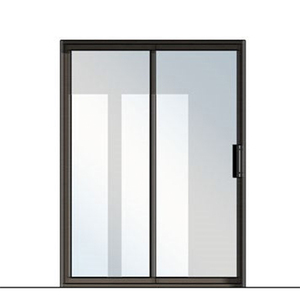
Precision Architectural Door & Window Solutions
Engineered to international windload, thermal break, and acoustic isolation specifications. Sourced directly from our 180,000 ㎡ automated production facility.
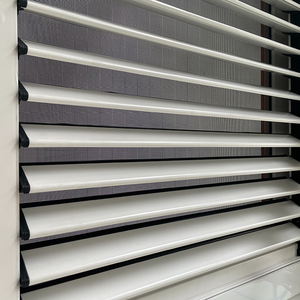
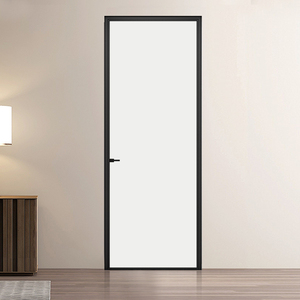
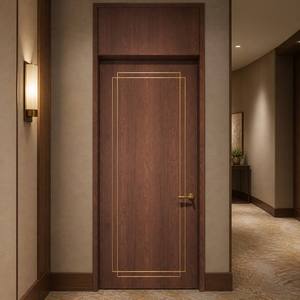
Enterprise Strengths & Industrial Infrastructure
Why Tier-1 commercial developers, general contractors, and overseas fenestration brands partner with our Foshan fabrication hubs.
AS 2047 N6 & Global Compliance
Every profile design undergoes rigorous cyclonic testing, achieving N6 structural ratings under AS2047, alongside CE, ISO 9001, and UL fire-rating standards for frictionless global compliance.
Complete Customization & Shop CAD
Full OEM/ODM customization covering alloy temper (6063-T5/T6), architectural finishes (AkzoNobel powder coating, fluorocarbon, anodizing), and tailored CAD/BIM shop drawings provided within 48 hours.
One-Stop Architectural Fenestration
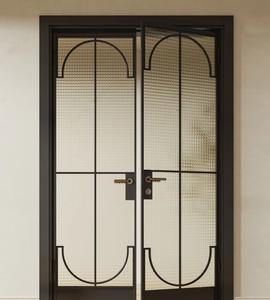
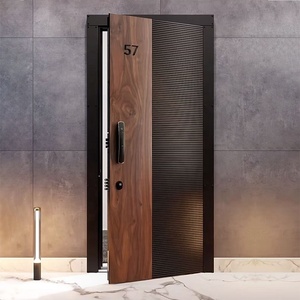
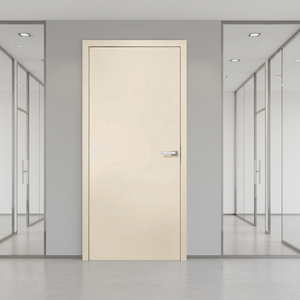
Unify procurement for insert windows, massive commercial pivot doors, cast aluminum security entry systems, interior wood composites, and minimalist curtain wall systems under one roof.
Engineering OEM/ODM Aluminium Insert Windows: Technical Principles & Specification Guidelines
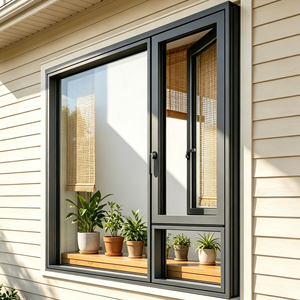
Aluminium insert windows—often specified in the commercial envelope sector as retrofit inserts, pocket replacement units, or subframe inserts—have transitioned from a secondary renovation product into a high-performance cornerstone of sustainable architecture. When procuring on an OEM or ODM basis, project managers and facade engineers must navigate structural integrity, thermal bridges, acoustic dampening, and automated manufacturing tolerances.
1. Structural Profile Metallurgy and Extrusion Standards
The foundation of long-term operational resilience in aluminium insert windows lies in the metallurgical composition of the extrusions. At our Foshan production facility, primary extrusions are forged from architectural 6063 and structural 6061 aluminium alloys, thermally treated to T5 or T6 temper designations. The primary wall thickness of structural mullions is engineered strictly between 1.6mm and 3.0mm, adhering to AS2047 and EN 12020 standards.
OEM insert configurations require precise geometric tolerances to accommodate existing sub-frames or structural steel apertures without buckling under localized wind loading. In cyclonic and typhoon-prone zones (such as coastal Southeast Asia and Australasia), our AS 2047 N6 certified units utilize multipoint internal tie-rod reinforcers and heavy-duty structural corner brackets crimped with dual-component polyurethane adhesive, eliminating water seepage at joint junctions under 4500 Pa cyclic pressure tests.
2. Thermal Break Engineering: Polyamide Inserts vs. Pour-and-Debridge
In high-efficiency fenestration procurement, mitigating U-factors is non-negotiable. Modern architectural requirements demand high-performance thermal insulation. Our ODM systems employ technoform-grade PA66 GF25 (polyamide 6.6 reinforced with 25% glass fibre) thermal break strips. This architectural design decouples interior and exterior aluminium chambers, preventing thermal conduction.
Compared to obsolete resin pour-and-debridge methods, PA66 strips deliver identical thermal expansion coefficients to the enclosing aluminium alloy (2.4 x 10^-5 K^-1), preventing delamination, bowing, or gas leakage during drastic diurnal temperature swings ranging from -30°C in North American winters to +50°C in Middle Eastern and tropical summers.
3. Glazing Integration & Acoustic Cavity Management
Insert windows often operate in densely populated metropolitan areas where acoustic attenuation (STC/OITC ratings) is as crucial as thermal performance. Our insert profiles accommodate glass units ranging from 24mm to 48mm overall thickness, supporting double- and triple-glazed configurations. By integrating warm-edge spacers, argon gas filling (90%+ concentration), and asymmetric acoustic laminated panes (e.g., 6mm Low-E + 12Ar + 4mm Clear + 0.76mm PVB + 4mm Clear), sound transmission loss reaches 42 dB, fulfilling stringent hotel lobby and high-end residential condo criteria.
Future Procurement & Technological Trends
Strategic procurement shifts shaping the fenestration landscape over the 2026–2030 commercial cycle.
Prefabricated Plug-and-Play Inserts
Developers are shifting away from on-site glazing toward fully pre-assembled, factory-glazed insert cassettes. Pre-assembled systems reduce job-site labour overheads by up to 60% and eliminate site-induced air leakage.
Ultra-Low Carbon Aluminium Sourcing
Carbon border adjustments (such as the EU CBAM) are compelling Tier-1 buyers to specify hydroelectric-smelted circular aluminium billets with certified embodied carbon ratings below 4.0 kg CO2e/kg Al.
Smart IoT & Concealed Hardware
Next-generation insert designs demand fully concealed multi-point motorized actuators, flush motorized micro-ventilation, and seamless architectural integration with building automation protocols (KNX/BACnet).
Procurement & Technical FAQ
Essential guidance for commercial contractors, facade consultants, and overseas distributors.
What is the typical lead time for custom OEM/ODM extrusion dies and mass production?
For custom profile sections, prototype extrusion dies are fabricated, sampled, and optically measured within 10 to 14 business days. Following client sign-off on physical samples and CAD drawings, mass extrusion, thermal-break assembly, and precision CNC fabrication proceed on an average 25 to 30 day production cycle per 40ft HQ container batch.
How do you guarantee watertightness and prevent galvanic corrosion in harsh coastal climates?
We employ 316-grade marine stainless steel connection brackets and fasteners. Direct metal-to-metal contact between dissimilar materials is prevented using isolated EPDM gaskets and fluoropolymer barriers. All finished profiles receive Class 2 Qualicoat powder coating or marine-grade anodizing (20–25 microns), rated to withstand 3,000+ hours of continuous neutral salt spray testing.
Can you manufacture insert window units to meet specialized acoustic and thermal ratings?
Yes. By combining custom-width PA66 GF25 thermal break strips, triple-pane warm-edge IGU glazing with argon injection, and cellular EPDM co-extruded gaskets, we achieve whole-window U-factors down to 1.1 W/(m²·K) and acoustic sound insulation ratings up to STC 43, fully verified through certified laboratory test reports.
How are units packaged to guarantee zero transit damage across ocean freight lanes?
Units are secured with multi-layer protective film, custom corner protectors, edge guards, and fully enclosed export-grade plywood crates or heavy-duty steel A-frames. Each shipping crate is marked with floor-by-floor schedule codes, allowing efficient unloading and streamlined sorting at destination job sites.