Engineered System Portfolios
Precision manufacturing meeting rigorous international structural standards including AS 2047 N6, CE, and ISO 9001 compliance for high-end residential, villa, and multi-tenant applications.
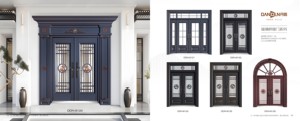
Frosted Glass Aluminum Alloy Double Door Modern Swing Entry for Villa
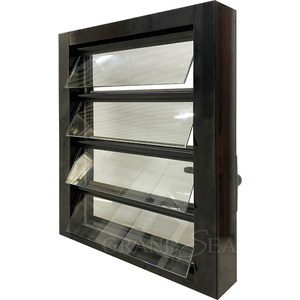
Philippines Design Aluminium Glass Louver windows / Jalousie Window
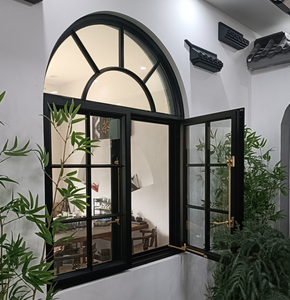
Shatterproof & Corrosion Resistant Aluminium French Windows for Exteriors
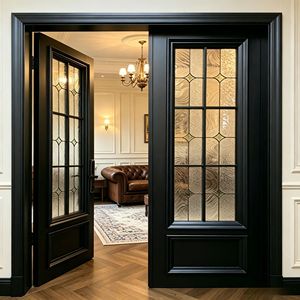
Luxury French Vintage Aluminum Double Entry Door Modern Black Frame
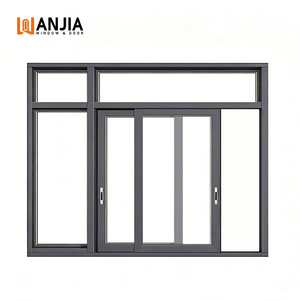
WANJIA Hurricane Impact Resistance Sliding Windows Systems
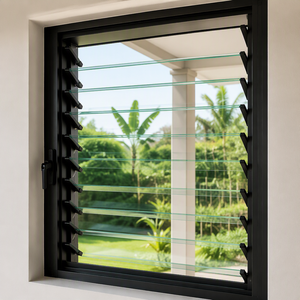
Adjustable Tempered Glass Louver Aluminum Window Invisible Horizontal Design

Direct Manufacturer Casement Aluminum Doors Easy Maintenance Waterproof
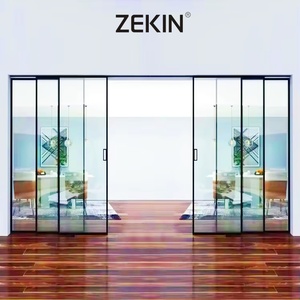
AS 2047 NFRC Double Glass Stacker Doors Slim Narrow Frame Patio Balcony
Engineering Paradigms in Modern Residential Aluminium Doors
The contemporary architectural fenestration and door manufacturing landscape has transcended mere spatial separation. For real estate developers, commercial contractors, and architectural consultants, modern residential aluminium door configurations represent a mission-critical convergence of structural mechanics, thermal kinetics, and material science. Within luxury villas, coastal high-rises, and modern urban estates, aluminium systems must simultaneously satisfy aggressive static load conditions, regional hurricane wind loadings, extreme ambient moisture shifts, and ultra-low air leakage thresholds.
Historically, wood composite and low-gauge steel profiles dominated entry applications. However, significant structural vulnerabilities quickly emerged in subtropical and tropical zones, including micro-warping, galvanic corrosion, biological decay, and moisture ingress. As an elite OEM/ODM aluminium residential doors supplier operating out of Foshan, Guangdong—the world’s epicenter of precision aluminium extrusion—our architectural systems harness primary T5 and T6 tempered 6063-T6 virgin aluminium alloys. These alloys yield optimal tensile strengths (>240 MPa) and yield points that comfortably allow oversized structural geometries, such as towering multi-point pivot doors and expansive panoramic multi-slide systems, without the threat of progressive mechanical deflection over decades of cyclic operation.
Global Architectural Evolution: The Next Decade of System Procurement
Procurement teams are no longer negotiating purely on dimensional unit costs. The shifting paradigm in international building regulations (e.g., California Title 24, European EN 14351-1, and Australia’s AS 2047) mandates verifiable performance metrics across the entire architectural building envelope. Several transformative procurement trends dominate the horizon:
- Structural Thermal Isolation & Polyamide Technology: Standard extruded aluminium conducts heat rapidly. Next-generation systems integrate continuous multi-chambered polyamide (PA66 GF25) thermal breaks reinforced with 25% glass fiber. This isolates exterior surface temperatures from internal ambient environments, drastically suppressing thermal bridging, preventing condensation damage, and lowering overall HVAC structural loads.
- Hurricane-Impact and Dynamic Cyclic Resistance: With the acceleration of global climate anomalies, impact glazing integration has transformed from an optional coastal upgrade into a mandatory code specification. Advanced door units incorporate multi-layer PVB and SGP (SentryGlas®) structural interlayers paired with heavy-gauge internal reinforcement ribs to absorb explosive dynamic pressures during category-5 cyclonic events.
- Smart Access Ecosystems and Concealed Hardware Integration: High-end residential markets require the seamless integration of concealed pivot hinges capable of supporting panels exceeding 600 kg. High-security multi-point locking systems must interface directly with localized smart home automation protocols, motor-driven perimeter seals, biometric access points, and remote IoT monitoring systems without disturbing the visual profile.
- Sustainable Low-Carbon Footprint & Hydro-Powered Smelting: Global developers operating under ESG directives heavily prioritize aluminium extracted and processed via renewable energy. Utilizing closed-loop scrap recycling and traceable green aluminium billets provides tangible lifecycle assessment (LCA) advantages and facilitates LEED and BREEAM certifications.
Evaluating Factory Capabilities: OEM vs. ODM Technical Separation
Selecting a partner for custom architectural doors necessitates distinguishing between pure assembly workshops and fully integrated manufacturing powerhouses. Under an OEM (Original Equipment Manufacturer) framework, engineering tolerance adherence relies entirely on CNC multi-axis milling precision, accurate extrusion dies, and standardized finishing protocols. A tier-one facility must maintain microscopic tolerances within ±0.5 mm across oversized panel assemblies.
Conversely, ODM (Original Design Manufacturer) partnerships demand sophisticated in-house architectural engineering teams capable of transforming conceptual elevation renderings and structural schedules into fully engineered, wind-load-calculated shop drawings. At our 180,000 square-meter production facility, our 600+ personnel manage every step: structural FEM analysis, extrusion matrix prototyping, specialized surface fluorocarbon (PVDF) coating, automated robotic hardware installation, and comprehensive pre-shipment pneumatic seal testing.
Tropicalization & Harsh Environment Performance Engineering
Southeastern coastal zones, tropical archipelago environments, and desert maritime climates present unique challenges to architectural hardware and profile surfaces. Chloride ion exposure rapidly corrodes standard mill or basic powder finishes. True marine-grade doors must undergo Qualicoat-certified architectural electrostatic powder coating or Grade-1 hard-anodizing treatments exceeding 25 microns.
Simultaneously, water tightness depends heavily on multi-barrier EPDM (Ethylene Propylene Diene Monomer) gasket systems instead of volatile silicone compounds that shrink and fail under ultraviolet radiation. Our proprietary systems utilize continuous vulcanized corner gaskets combined with stepped drainage chambers that leverage hydrostatic pressure differentials, preventing rainwater penetration even during sustained 2,500 Pa dynamic wind pressures.
Integrated Enterprise Advantages
Backed by over two decades of technical evolution, our facility integrates raw material sourcing, profile extrusion, structural testing, and custom architectural fabrication under one centralized management standard.
180,000 ㎡ Intelligent Hub
Massive automated assembly floors, German-imported high-speed CNC centers, precision profile processing, and optimized inventory staging ensure high manufacturing stability for major international property ventures.
Comprehensive Testing & Certs
Our solutions hold CE, ISO 9001, AS 2047 N6, and UL fire-rated certifications. Every product schedule undergoes structural safety, air tightness, and acoustic laboratory verifications before containerization.
End-to-End Architectural Customization
From single oversized luxury pivot entrances to thousands of residential casements, our engineering group transforms complex CAD/BIM specifications into structurally validated door schedules.
Global Engineering Footprint
Proven delivery across the United States, Canada, Australia, the Middle East, and Southeast Asia. Highlighted at major international expos including Philippines WORLDBEX 2025.
Optimized Lead Time Protocols
Vertical control across casting, extruding, surface finishing, and hardware assembly cuts lead times, providing contractors with dependable shipping schedules and lower transit risks.
Technical Project Managers
Dedicated English-speaking technical sales engineers operate across aligned time zones, eliminating cross-border communication barriers from shop drawing reviews to site installation advice.
Procurement & Technical FAQ
Direct technical answers addressing system capabilities, international compliance, logistics, and commercial specifications.
What minimum alloy grade and wall thickness are standard for export-grade systems?
We use 6063-T5 or 6063-T6 architectural aluminium alloys. For structural door frames and high-traffic entrance leaves, profile thickness ranges from 2.0 mm to 3.5 mm depending on structural wind load engineering, exceeding typical retail extrusions.
How do you guarantee air and water tightness under tropical cyclone conditions?
Our systems feature continuous multi-layer vulcanized EPDM seals, stepped internal drainage channels, and concealed weeping ports. Key collections are tested to AS 2047 N6, withstanding dynamic cyclonic pressures without structural seal failure.
Can our architectural team supply custom BIM or CAD files for direct OEM production?
Yes. Our in-house engineering team works directly with DWG, DXF, Revit, and IFC file formats. We verify structural integrity, glass thermal stress parameters, and hardware clearances before issuing final production shop drawings.
What surface finish standards do you apply for coastal salt-spray protection?
For maritime and beachfront properties, we offer AAMA 2605-compliant PVDF fluorocarbon coatings and 25-micron hard anodized finishes. Both treatments undergo rigorous neutral salt spray (NSS) lab testing exceeding 3,000 hours without surface pitting or blistering.
What are the maximum panel dimensions possible for modern aluminium pivot systems?
Using our heavy-duty internal steel-reinforced corner assemblies and commercial hydraulic floor-spring pivots, we fabricate single panel pivot leaves up to 2,200 mm in width and 4,500 mm in height, maintaining smooth opening forces below 30 Newtons.
What are the standard export packing protocols for oversized architectural glass doors?
Every panel is protected with non-marking scratch film, impact-absorbing edge guards, and vapor barrier wraps, then secured inside fully enclosed, fumigated solid plywood crates with heavy-duty internal steel banding to prevent handling damage during transit.
Accelerate Your Project Specification Cycle
Request comprehensive product profiles, certified test reports, BIM object libraries, and factory-direct pricing for your development schedule.
Get Catalog