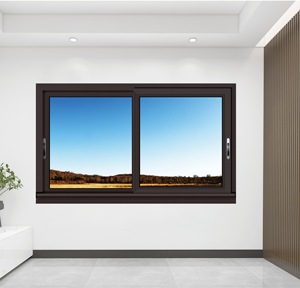
Enterprise Product Portfolio
High-Performance Architectural Fenestration Systems
Engineered for high wind resistance, thermal barrier integrity, acoustic attenuation, and architectural luxury across demanding international commercial and villa developments.
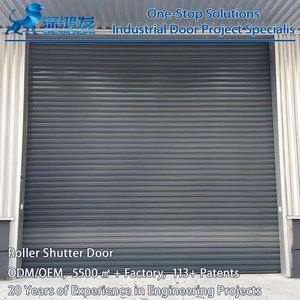
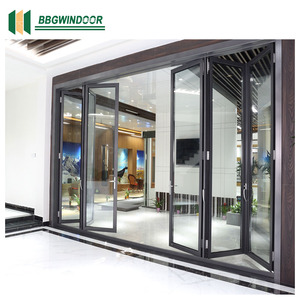
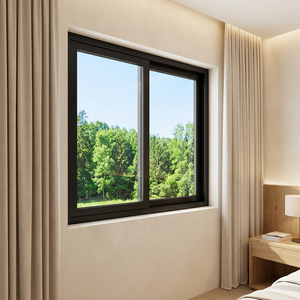
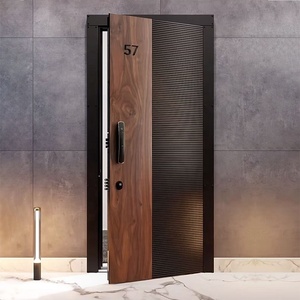
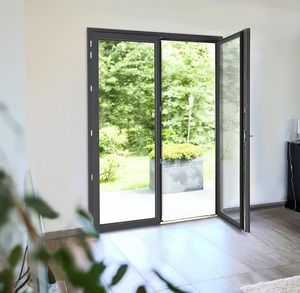
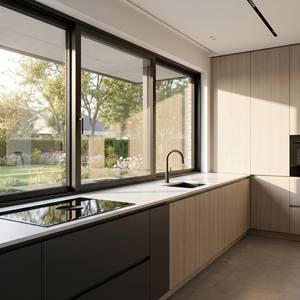
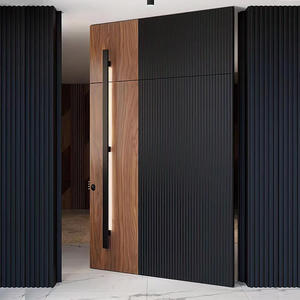
Manufacturing Benchmark
Integrated Extrusion, Engineering & Export Scale
Operating from Foshan, Guangdong—the worldwide epicenter of precision architectural metalworking—DERCHI delivers full supply-chain reliability backed by comprehensive certifications.
180,000㎡
Production Infrastructure
600+
Engineers & Technicians
100+
International Patents & Certs
25+
Years Manufacturing Heritage
AS 2047 N6 & CE Structural Rigor
DERCHI systems are tested to AS 2047 N6—the benchmark for wind load, water tightness, and air infiltration resistance under cyclone and typhoon conditions across the Asia-Pacific region.
BIM/CAD Architectural Shop Drawings
Our dedicated engineering department creates complete, verified CAD elevations, connection details, and structural anchoring calculations that match strict project schedules prior to extrusion.
Tropical Maritime Finish Engineering
From AkzoNobel fluorocarbon (PVDF) electrostatic coatings to Class 1 marine-grade anodizing, our profiles resist UV degradation, saline pitting, and chalking in coastal conditions.
Top 10 Aluminium Frames and Doors Supplier & Suppliers: Architectural Sourcing Index
Specifying high-performance fenestration for multi-residential towers, beachfront hospitality developments, and luxury private compounds requires identifying manufacturers with proven extrusion tolerances, thermal-barrier engineering, and documented QA/QC standards. Below is an analytical review of the premier worldwide and tier-one Chinese fabricators leading the aluminum frames and architectural doors industry.
Global Tier-1 / China OEM
1. DERCHI Doors & Windows
Headquarters: Foshan, China | Scale: 180,000 ㎡ Facility
- Core Strengths: Heavy-duty oversized pivot doors, AS 2047 N6 cyclone-rated systems, cast-aluminum security entrances.
- Certifications: AS 2047, ISO 9001, CE, UL Fire-Rated.
- Procurement Value: Direct factory engineering, CAD support, consolidated shipping for export markets.
European System Leader
2. Schüco International
Headquarters: Bielefeld, Germany | Scale: Multinational
- Core Strengths: Benchmark thermal-break technology, smart-home automation integration, passive house certifications.
- Target Projects: Ultra-luxury commercial headquarters and European residential estates.
- Procurement Notes: Premium price points; relies heavily on localized partner fabricator networks.
European System House
3. Reynaers Aluminium
Headquarters: Duffel, Belgium | Scale: 40+ Countries
- Core Strengths: Minimalist slimline sliding systems, curtain walling, circular cradle-to-cradle sustainability.
- Aesthetic Focus: High-end contemporary facades with narrow visible sightlines.
- Procurement Notes: Extended lead times for custom architectural dies outside Europe.
Asia-Pacific Leader
4. YKK AP Inc.
Headquarters: Tokyo, Japan | Scale: Global Extrusion Leader
- Core Strengths: High-precision seismic-resilient structural frames, standardized commercial storefront systems.
- Target Projects: Institutional towers, institutional high-rises, commercial retail centers.
- Procurement Notes: Exceptional quality control; predominantly modular product ranges.
Pre-Engineered Systems
5. LIXIL Corporation (TOSTEM)
Headquarters: Tokyo, Japan | Scale: Global Conglomerate
- Core Strengths: Factory-finished pre-engineered window packages, anodized surface consistency.
- Target Projects: Large-scale master-planned residential housing subdivisions.
- Procurement Notes: Strict standard sizing; limited scope for non-standard custom geometric profiles.
North American Benchmark
6. Kawneer
Headquarters: Norcross, GA, USA | Scale: Transatlantic
- Core Strengths: Commercial storefronts, heavy-duty architectural entrances, blast-resistant framing.
- Certifications: AAMA / WDMA / CSA North American performance codes.
- Procurement Notes: Dominates North American commercial subcontracts; higher freight costs for APAC builds.
Industrial Extrusion Scale
7. Xingfa Aluminium
Headquarters: Foshan, China | Scale: Tier-1 Extrusion Base
- Core Strengths: Raw structural profile manufacturing, massive volume output for monumental curtain walls.
- Target Projects: Airport terminals, mega-tall infrastructure projects, international supply contracts.
- Procurement Notes: Ideal for bulk raw profile orders; typically requires third-party fabrication.
Mediterranean Architecture
8. Alumil S.A.
Headquarters: Kilkis, Greece | Scale: 30+ Subsidiaries
- Core Strengths: Integrated folding doors, panoramic glazing solutions, thermally broken sliding tracks.
- Aesthetic Focus: Indoor-outdoor transitional resort engineering.
- Procurement Notes: Strong footprint across Europe and the Middle East; premium shipping logistics to SE Asia.
Hydro Low-Carbon Aluminum
9. Wicona
Headquarters: Ulm, Germany | Scale: Part of Norsk Hydro
- Core Strengths: Low-carbon recycled alloys (Hydro CIRCAL), high-performance thermal insulation.
- Sustainability: Strict circular economy certifications (LEED / BREEAM scoring).
- Procurement Notes: Sourced primarily for projects with stringent embodied-carbon limits.
High-Capacity Profile Fabrication
10. Guangdong JMA Aluminium
Headquarters: Foshan, China | Scale: Industrial Extrusion Complex
- Core Strengths: Large-scale anodized and electrophoresis finishes, residential window lines, high dimensional consistency.
- Target Projects: Mass multi-family real estate developments across Latin America, Africa, and Southeast Asia.
- Procurement Notes: High minimum order quantities (MOQ); requires local glazing partner assemblies.
Technical Sourcing Matrix: Architectural Profile Comparison
To assist structural engineers, architects, and procurement leads in evaluating factory capabilities, the table below maps critical performance variables across major manufacturing categories:
| Supplier Archetype | Alloy Grade & Temper | Thermal Barrier Type | Wind Load Standard | Typical Lead Times | Custom Die Capability |
|---|---|---|---|---|---|
| Direct China OEM (DERCHI) | 6063-T5 / 6061-T6 Primary Ingot | Polyamide PA66 GF25 Strip | AS 2047 N6 (Up to 4500Pa) | 25–35 Days | Rapid tooling (7–10 Days) |
| European System Brands | 6060-T66 Custom Extrusions | Multi-Chamber Insulbar | EN 12210 Class C5 / B5 | 60–90 Days | Restricted / High Surcharges |
| North American Commercial | 6063-T6 Structural Profile | Pour-and-Debridge / PA Strips | ASTM E330 / AAMA 101 | 45–70 Days | Standard Catalog Heavy |
| Japanese Modular Systems | Proprietary Structural Alloys | Integrated Resin Gaskets | JIS A 4702 Grade S-6 | 40–60 Days | Rigidly Standardized Modules |
Future Procurement Trends in Aluminium Frames and Doors
The global architectural fenestration sector is experiencing significant shifts driven by stricter thermal codes, climatic volatility, and urbanization. Specifiers are moving away from standard, hollow architectural extrusions in favor of integrated, climate-engineered systems. Forward-looking procurement departments focus on four major performance drivers:
1. Thermal-Break Multi-Cavity Barrier Systems: Due to stricter regional building energy directives (such as Title 24, BCA Green Mark, and European EPBD), non-thermally broken aluminum is no longer suitable for exterior envelopes. Modern procurement specifications require multi-cavity polyamides (PA66 reinforced with 25% glass fiber), preventing thermal bridging, condensation, and HVAC energy loss in hot, humid climates.
2. Structural Wind-Resistance & Seismic Deflection: Heightened typhoon activity across the Pacific Rim and coastal hurricane zones has increased demand for AS 2047 N6 and ASTM E1886/E1996 impact-certified frames. Facade assemblies must accommodate dynamic structural deflections without breaking weather seals or losing air tightness.
3. Monolithic Cast-Aluminum and Eccentric Axis Pivot Engineering: Traditional residential entrance doors are increasingly being replaced by large-format, dramatic architectural pivot doors. Using central or eccentric structural axis hinges capable of supporting panels exceeding 500 kg, these systems rely on precision cast-aluminum relief plates and interior steel chassis to prevent structural warping caused by direct solar radiation.
4. Low-Carbon Primary Smelting & Cradle-to-Cradle Recyclability: ESG investment metrics now influence architectural supply chains. International procurement teams evaluate suppliers based on the embodied carbon of their aluminum billets. Utilizing hydro-powered primary smelters and up to 75% post-consumer recycled aluminum substantially lowers lifecycle carbon emissions without compromising mechanical tensile strength.
Procurement Knowledge Base
Frequently Asked Questions: Commercial Sourcing & Compliance
Direct technical answers addressing the critical challenges encountered by developers, architects, and quantity surveyors during international procurement.
What distinguishes 6063-T5 aluminum alloy from 6061-T6 in frame manufacturing?
Alloy 6063 (with magnesium and silicon) provides superior extrudability, exceptionally sharp architectural details, and smooth surfaces ideal for anodizing and electrostatic powder coating. The T5 temper indicates rapid air quenching followed by artificial aging, yielding a yield strength around 145 MPa. Alloy 6061-T6 contains higher concentrations of copper and chromium, offering higher structural yield strengths (over 240 MPa), making it better suited for internal structural brackets, sub-frames, and heavy hardware anchor blocks where maximum tensile load-bearing capacity is required.
How do tropical coastal projects prevent galvanic corrosion between stainless hardware and aluminum profiles?
When direct contact occurs between 304/316 stainless steel fasteners and aluminum profiles in saline, high-humidity environments, galvanic reactions can degrade the aluminum. Quality fabrication specifications require dielectric isolation gaskets (such as EPDM, neoprene, or nylon sleeves and washers) and zinc-flake coated or Dacromet-treated screws. In high-exposure maritime installations, marine-grade cast aluminum finishes with Class 1 (min 15–20 micron) anodizing or Qualicoat Class 2 PVDF paints are required to seal raw surfaces from airborne chlorides.
What is the performance standard required for AS 2047 N6 certification?
AS 2047 is the Australian standard governing windows and external glazed doors in buildings. The N6 rating is among the highest non-cyclonic and cyclonic structural classifications. It requires the fenestration system to successfully pass: 1) Structural Deflection Testing under serviceability design wind pressure (up to 3000 Pa); 2) Air Infiltration Testing confirming minimal air leakage; 3) Water Penetration Resistance testing at a minimum of 450 Pa static pressure; and 4) Ultimate Strength Testing up to 4500 Pa or higher without structural collapse or glass displacement.
Can oversized cast-aluminum pivot entrance doors prevent air infiltration without a bottom threshold?
Flush-floor architectural designs often exclude traditional raised step-over sills. To prevent air and water infiltration, engineered pivot systems utilize concealed, heavy-duty drop-down acoustic and weather seals embedded within the bottom door leaf profile. As the door closes, an actuator pin engages the frame jamb, mechanically pressing a silicone rubber blade firmly against the finished floor. For perimeter weather tightness, dual-compound magnetic EPDM gaskets and continuous compression brush seals are deployed along the eccentric pivot axis.
What are the key container packaging protocols for export to Southeast Asian and Middle Eastern ports?
Ocean freight through tropical equatorial shipping lanes exposes metal goods to high humidity and container condensation ("container sweat"). Professional export packing requires: 1) Surface protection using non-residue PE protective tape on all exposed metal profiles; 2) Fully enclosed pearl-cotton foam wrapping; 3) Corner edge protectors; 4) Hermetically sealed desiccant packs inside heat-shrink foil layers; and 5) Fumigated, ISPM 15-compliant reinforced plywood skeleton crates with moisture-resistant base pallets for safe forklift handling.
What is the standard tolerance and lead time for custom die extrusions?
For custom architectural geometries that cannot be realized with standard production dies, tooling can be milled within 7 to 10 days. Profile dimensions are monitored to EN 755-9 and EN 12020-2 precision tolerances (often within ±0.15 mm on key critical functional channels). Once initial sample extrusions and surface finishes receive formal client sign-off, full production runs are completed in 20 to 30 days.
Ready to Engineer Your Architectural Fenestration Schedule?
Submit your door schedules, CAD opening elevations, and structural wind-load parameters. Our bilingual senior engineering team will provide comprehensive CAD shop drawings, connection details, and a competitive factory-direct proposal within 24 business hours.
Get Catalog