Engineered Aluminium Inside & Exterior Assemblies
Explore precision-extruded 6063-T5/T6 structural systems, double-tempered insulated acoustic glass configurations, and heavy-duty architectural hardware designed to meet ISO 9001 and AS 2047 structural requirements.
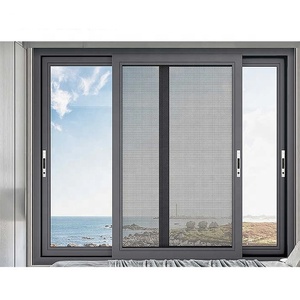
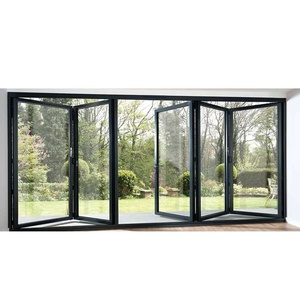
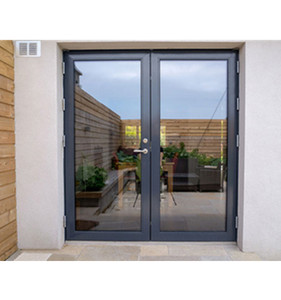
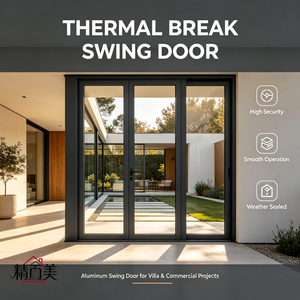
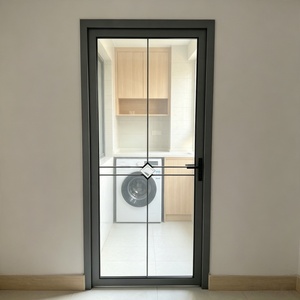
Factory Aluminum Alloy Frosted Glass Swing Door Moisture Proof Interior Bathroom Door For Home
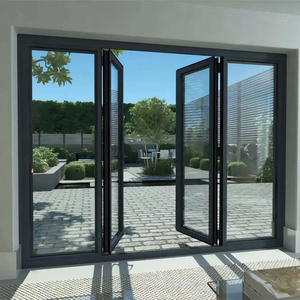
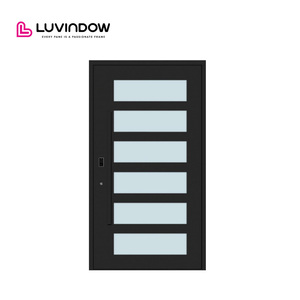
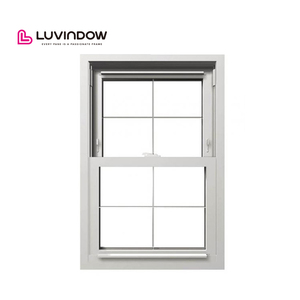
Guangdong Dejiyoupin Doors and Windows Co., Ltd. (DERCHI)
Operating from the industrial manufacturing core of Shishan Town, Foshan, DERCHI combines twenty-five years of advanced fenestration manufacturing with global compliance leadership.
Tier-1 Certification & Strict Compliance
Every profile undergoes rigorous testing, achieving Australian standard AS 2047 N6 rating for cyclone resistance, CE compliance, ISO 9001 quality management, and UL fire-rated certifications for commercial builds.
Turnkey Architectural Customization
From minimal sightline interior aluminium swing doors to massive exterior pivot doors, our in-house engineering team provides complete shop drawings, BIM families, and precision CAD detailing tailored to bill-of-quantities (BOQ).
Synchronous Project Management
DERCHI offers end-to-end technical support aligned with international project schedules. With English-speaking fenestration engineers in Foshan (GMT+8), real-time design coordination minimizes project latency across Southeast Asia, North America, and Europe.
Future Procurement Trends in Aluminium Inside Doors
Strategic material transitions, thermodynamic optimization, and smart residential architecture are reshaping global architectural door procurement standards through 2026 and beyond.
Shift to Ultra-Narrow Sightlines & Hidden Frames
Modern interior architectural designs demand frameless and micro-frame aesthetics. Sourcing managers increasingly specify concealed hinges and sub-20mm stiles using high-tensile 6063-T6 alloys that retain structural stability without flexure under high cycling.
Polyamide Thermal Barriers for Interior Acoustics
While historically reserved for exterior fenestration, thermal-break polyamide strips (PA66 GF25) are now heavily integrated into luxury interior doors to provide acoustic dampening (STC > 38dB) between living quarters, media zones, and master suites.
Smart IoT Access & Concealed Drop Seals
High-end hospitality and modern residences are migrating toward concealed drop-down automatic sweep seals paired with motorized pivot hardware, biometrics, and unified Zigbee/Matter automation protocols embedded within the aluminium stile profile.
Moisture-Immune Alloys Replacing Solid Core Wood
In high-humidity, coastal, and tropical climates (e.g., Southeast Asia, Caribbean), solid wood core interior doors warp, swell, and harbor mold. Extruded anodized or PVDF-coated aluminium inside doors deliver permanent dimensional stability and moisture immunity.
Low-Carbon Recycled Extrusions (Hydro/Circal)
Institutional developers targeting LEED Platinum and BREEAM certifications demand traceable supply chains with low embedded carbon. Procurement contracts now mandate certified circular billets with over 75% end-of-life post-consumer aluminium content.
Standardized Modular Glazing & Quick-Install Systems
With escalating site labor costs globally, commercial builders are demanding factory-glazed, dry-gasketed modular sub-frame systems that snap directly into finished openings, cutting job site installation hours by upwards of 40%.
| Evaluation Parameter | Commercial Grade Extrusion (DERCHI Specification) | Standard Market Interior Grade | Traditional Solid Timber Core |
|---|---|---|---|
| Alloy Composition & Hardness | Aluminium 6063-T5 / 6063-T6 (Webster ≥ 12) | Recycled Low-Purity Scrap / 6063-T4 (Webster < 8) | Engineered MDF / Particle Core / Pine Core |
| Wall Thickness (Extrusion) | 1.4mm to 2.2mm Structural Standard | 0.8mm to 1.1mm (Vulnerable to deflection) | Solid Core (Variable density 450-700 kg/m³) |
| Acoustic Attenuation (STC) | 36dB – 42dB (Double Glazed + EPDM Co-extrusion) | 22dB – 26dB (Single Glazed / Loose Gaskets) | 28dB – 32dB (Permeable perimeter seals) |
| Tropical Climate Dimensional Tolerance | Zero Expansion, Zero Warping, Salt Mist Pass 1000h | Moderate oxidation, hinge sagging over 24 months | Expands 3-6mm under 85%+ relative humidity |
| Hardware Cycle Life Expectancy | Passed 200,000 Open/Close Test Cycles | Under 50,000 Cycles (Cast zinc hinges) | Variable based on moisture content and wood screw retention |
Frequently Asked Technical Questions
Critical engineering criteria, material tolerances, and factory quality assurance procedures answered by our Foshan technical engineering division.
What profile wall thickness is mandatory for high-cycling interior aluminium doors?
For commercial hospitality and high-end residential inside doors exceeding 2,400mm in height, architectural standards require a minimum profile wall thickness of 1.4mm to 2.0mm. Sub-1.2mm profiles frequently suffer from hinge screw strip-out and structural deflection under pressure differentials.
Why choose aluminium interior doors over timber doors in tropical climates?
High continuous humidity causes timber doors to absorb ambient moisture, leading to warping, paint delamination, microbial rot, and frame binding. Extruded aluminium alloy 6063-T5 is impervious to moisture, maintaining absolute dimensional stability, zero deflection, and airtight perimeter seals permanently.
How does DERCHI ensure acoustic isolation on aluminium-framed interior glass doors?
We deploy dual-perimeter vulcanized EPDM continuous gaskets combined with insulated laminated double glazing (e.g., 5mm+0.76PVB+5mm) or double tempered units. In addition, internal cavity baffles and automatic drop-down mechanical bottom seals prevent acoustic flanking transmission below the door leaf.
What surface treatments provide maximum scratch and corrosion resistance?
We provide chemical anodizing (15-25 microns film thickness), AkzoNobel powder coatings, and fluorocarbon (PVDF) electrostatic spraying. For luxury residences, vacuum heat transfer wood-grain sublimation provides authentic architectural timber aesthetics while maintaining total fire retardance and metal rigidity.
What quality verification reports are supplied prior to dispatch?
Factory Acceptance Testing (FAT) dossiers include full dimensional verification reports, glass tempering certificates (SGCC / CE standard), anodizing thickness micron tests, powder coating adhesion cross-cut tests, and video documentation of trial assembly for non-standard pivot or bifold configurations.
How are fragile oversized doors packaged for trans-oceanic container freight?
Assemblies are protected with scratch-resistant blue PE film, corners wrapped in thickened EVA foam protectors, sealed in waterproof thermo-shrink wrapping, and crated in fully-enclosed, non-fumigation plywood cases engineered with internal forklift structural skids.
Engage with DERCHI's Fenestration Engineering Division
Whether you require custom shop drawings for a boutique luxury resort, a 500-unit condominium door schedule, or structural test reports compliant with AS 2047, CE, or UL standards, our technical specialists in Foshan provide comprehensive support within 24 hours.