High-Performance Architectural Fenestration Systems
Precision-extruded primary 6063-T6 aluminum configurations featuring structural thermal breaks, multi-point interlocks, cyclone ratings, and ultra-durable fluorocarbon coatings.
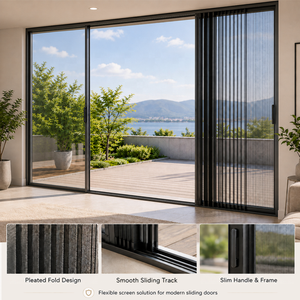 Ultra-Slim Line
Amj Modern Glass Doors Sliding System Narrow Frame Aluminum Patio Doors
- Interlock Sightline: 16mm - 25mm
- Stainless Steel Concealed Roller System
- Integrated Folded Pleated Mesh
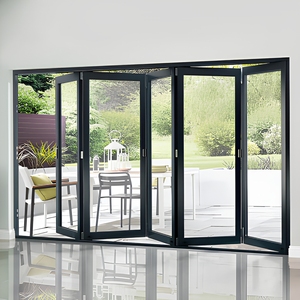 Panoramic Vista
Modern Aluminum Bi-Folding Glass Patio Doors Seamless Living System
- Top-Hung Heavy Duty Bogie Carriages
- EPDM Continuous Gasket Barrier
- Flush Floor Threshold Options
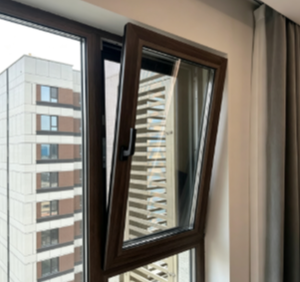 Acoustic & Thermal
Energy Saving Aluminum Clad Wood Outward Opening Casement Window
- Solid Natural Oak / Larch Interior
- Seamless Extruded Aluminum Shell
- U-Value ≤ 1.2 W/(m²·K) Rating
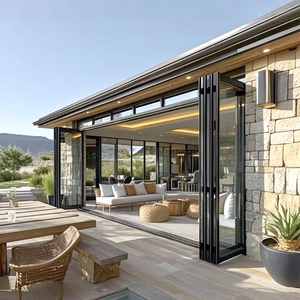 NFRC Certified
NFRC Thermal Break Aluminum Large Folding Exterior Patio Doors
- Polyamide PA66GF25 Insulating Strips
- Retractable Insect Shield Barrier
- Multi-Point Deadbolt Security Core
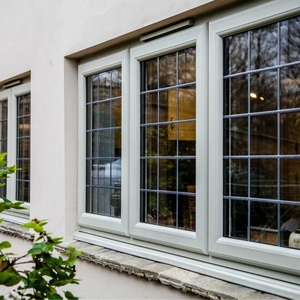 North American Spec
AMJ NFRC American Style Aluminum Casement Windows with Crank Handle
- Truth Hardware 90° Crank Gearbox
- Heavy-Duty Stainless Steel Hinges
- Argon-Filled Low-E Glazing Units
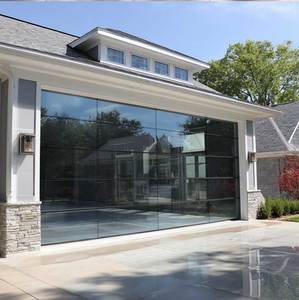 Architectural Facade
Sunnysky Frosted Matte Finish Translucent Glass Panel Garage Door
- Torsion Spring Balancing System
- Tempered Frosted Safety Glass
- Finger-Protection Joint Profiles
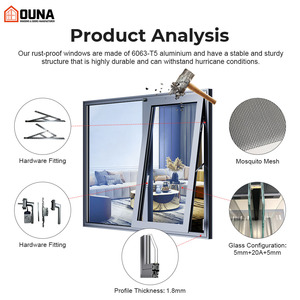 AS2047 Cyclone N6
OUNA Aluminum Double Glazed Thermal Break Hurricane Impact Window
- Meets AS2047 N6 Wind Loads
- Laminated SentryGlas Impact Layer
- Sub-Sill Drain Channelling System
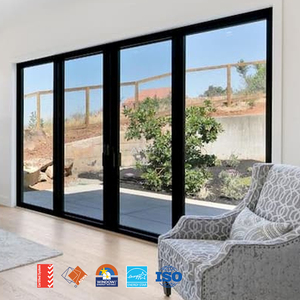 Commercial Grade
AMJ AS2047 Pocket Stacker Double Glazed Commercial Sliding Doors
- Concealed Pocket Wall Retraction
- High Water Static Pressure Cavity
- Custom Multi-Track Stacking Setup
Global Sourcing Benchmark: Top 10 Aluminium Door & Window Manufacturers
A technical paradigm shift is taking place across global fenestration supply chains. High-spec buyers are transitioning from localized fabricators to industrial-scale original equipment manufacturers capable of delivering AS 2047 N6, NFRC, and CE compliant structural envelope systems.
When engineering high-rise condominiums, luxury coastal villas, or boutique commercial spaces, selecting the right manufacturing partner determines not only aesthetic value but also structural resilience against extreme weather events. The elite tier of aluminium sliding windows and doors manufacturers & exporters combines automated precision CNC extrusion milling with advanced thermal decoupling architectures.
Modern developers require full transparency throughout metallurgical tracing, thermal simulation testing, and acoustic damping certification. In coastal belts across Southeast Asia (such as the Philippines, Vietnam, Thailand, and Indonesia), North America, and Australia, dynamic climatic stresses require fenestration units capable of withstanding extreme positive and negative cyclic wind pressures without structural deflection or water penetration.
| Performance Parameter | Conventional Commercial Grade | DERCHI Engineered System | Direct Architectural Benefit |
|---|---|---|---|
| Alloy Metallurgy & Temper | Recycled 6063-T5 (Irregular grain) | 100% Primary Billets 6063-T6 (Uniform) | Zero structural warping, micro-crack prevention under typhoons |
| Thermal Barrier Core | Standard PVC extrusions / Poured resin | Polyamide PA66GF25 reinforced bars | Withstands -30°C to 110°C; limits building heat flux |
| Cyclonic Wind Resistance | Classified up to 1500–2500 Pa | AS 2047 N6 Tested (>4500 Pa) | Engineered for super typhoons, coastal monsoons & oceanfronts |
| Air & Water Infiltration | Pile weatherstripping (Water: 150 Pa) | EPDM Continuous Co-extruded Vulcanized seals (450+ Pa) | Prevents capillary leakages, drafts, and interior floor damage |
| Acoustic Isolation Rating | Rw 25 dB - 28 dB | Rw 38 dB - 44 dB (Acoustic PVB configurations) | Exceptional dampening of exterior traffic and storm noise |
Strategic Trends Shaping Architectural Procurement (2025–2030)
Forward-thinking developers and procurement directors are mitigating supply chain risks by aligning with these structural industry shifts.
Ultra-Slim Minimalist Visual Sightlines
Architects are heavily specifying panoramic pocket stackers and ultra-narrow interlocking stiles (16mm to 21mm). The goal is maximizing glazed areas to blur the boundary between indoor luxury spaces and external landscapes without sacrificing structural load resistance.
Trend 01 · Structural MinimalismDecoupled Thermal Bridging & Low-Carbon Footprint
Energy codes across North America (NFRC/AAMA) and Australasia (NCC) demand fenestration assembly U-factors ≤ 1.4 W/(m²·K). Procuring low-carbon circular aluminum profiles extruded with clean hydro-power allows projects to capture critical LEED and BREEAM green credits.
Trend 02 · Sustainability MandatesPrefabricated Ready-To-Install Sub-Assemblies
To reduce escalating on-site skilled labor costs in destination ports, international contractors demand knock-down (KD) pre-milled kits with quick-lock mechanical corners, factory-fitted dual EPDM gaskets, and plug-and-play multi-point hardware cassettes.
Trend 03 · Prefab Site EfficiencyEngineering & Product Development Trajectory
How cutting-edge fenestration technology is evolving to deliver higher safety margins, smart automation, and extreme weather resilience.
Hidden Electromechanical Automation
Modern sliding patio systems now integrate brushless, silent 24V linear DC motors concealed directly within the top header extrusion. Controlled via home-automation protocols (KNX, Zigbee, or dry-contact building management), panels weighing up to 800 kg slide effortlessly.
Innovation · Smart FenestrationCoastal Aerodynamic Drainage & Flush Tracks
Traditional sliding thresholds presented trip hazards and water collection zones. Next-generation systems employ stainless-steel continuous line drainage channels that sit completely flush with finished floor levels, expelling driving storm runoff at up to 120 liters/min/meter.
Engineering · Flush Water BarriersMulti-Layer Fluorocarbon Surface Science
To resist hyper-saline ocean air, salt spray, and extreme UV degradation in tropical resorts, advanced automated horizontal electrostatic lines apply Qualicoat Class 2/3 powder coatings and AAMA 2605 70% Kynar 500 PVDF finishes backed by 20-year anti-fading warranties.
Surface Tech · AAMA 2605 CertifiedWhy Global Specifiers Partner with DERCHI
Manufactured by Guangdong Dejiyoupin Doors and Windows Co., Ltd. in Foshan, China — a globally trusted brand engineered for rigorous international project schedules.
180,000 ㎡ Mega Production Hub
Housing automated German CNC cutting centers, precision extrusion lines, and cleanroom glazing workshops, providing dependable capacity for multi-phase hospitality and residential towers.
AS 2047 N6 & CE Certified
Tested and independently audited to Australian AS2047 N6 cyclonic standards, CE mark, ISO 9001, and UL fire-protection compliance, ensuring swift local municipal permit approvals.
Bespoke Engineering & CAD/BIM
Our dedicated bilingual engineering team generates zero-cost structural wind-load simulations, CAD shop drawings, and BIM revit models aligned with your architectural opening schedules.
Container-Optimized Logistics
Barcoded, multi-layer shockproof crating categorized by floor, building elevation, and unit number, drastically reducing uncrating time and site handling breakages across major sea routes.
Procurement FAQ: Architectural Sliding Systems
Direct technical answers addressing the critical engineering and import inquiries raised by general contractors, developers, and facade engineers.
How do AS 2047 N6 tested systems perform during severe tropical cyclones?
The AS 2047 N6 standard represents the highest cyclonic rating under Australian and oceanfront testing regimes. It subjects assemblies to structural deflection pressures exceeding 4500 Pascals (equivalent to wind speeds >300 km/h) and driving water test pressures beyond 450 Pascals. Extrusions are reinforced with internal structural steel or high-tensile alloy fins, ensuring structural integrity without panel dislodgement or water breach.
What is the structural difference between Polyamide PA66 strips and poured resins?
PA66GF25 consists of nylon 6,6 reinforced with 25% glass fiber, matching the thermal expansion coefficient of aluminum (2.3 × 10⁻⁵ /K). This prevents delamination, cracking, or thermal warping over decades of solar exposure. Pour-and-debridge resins lack structural tensile integrity over expansive openings and tend to become brittle under intense UV exposure.
Can extra-large multi-panel sliding pocket doors achieve air tightness?
Yes. High-performance pocket stacking systems utilize lift-and-slide mechanical gear sets. When closing, rotating the handle lowers the panel onto continuous vulcanized EPDM compression gaskets, achieving an airtight and watertight seal that eliminates the draft vulnerabilities associated with conventional mohair brush seals.
What glass configurations are recommended for luxury beach resort installations?
For coastal oceanfront applications, we recommend double or triple-glazed IGU units comprising Low-Iron Toughened Glass + 16A Warm Edge Spacer filled with 90% Argon Gas + Laminated SentryGlas (SGP) or PVB interior lite with double silver Low-E soft coating. This setup delivers high daylight transmittance, blocks solar heat gain (SHGC ≤ 0.28), and withstands windborne debris impacts.
How does DERCHI ensure container safety and zero damage on ocean freight?
All frames and sash profiles are wrapped in protective PE anti-scratch film, cushioned with corner edge guards, and encased in fully sealed, fumigated non-wood composite or solid marine plywood crates. Crates are engineered to standard shipping container dimensions (20GP, 40GP, 40HQ) with built-in steel strapping eyelets to prevent interior container shifting during rough maritime passages.
What documentation is furnished for customs clearance and architectural submittals?
Every export project is supplied with comprehensive project deliverables: stamped structural shop drawings, third-party lab test reports (AS2047, CE, ISO, AAMA/NFRC), raw material 6063-T6 metallurgical mill certificates, factory structural calculation sheets, bill of materials (BOM), commercial invoices, packing lists with QR-code unit mapping, and marine insurance certificates.
Accelerate Your Fenestration Project Timeline
Submit your opening schedules, architectural floor plans, or tender specifications. Our licensed fenestration engineers will return a complete commercial estimate, CAD profile cross-sections, and wind-load analyses within 24 business hours.