Featured Aluminium Ventilation & High-Performance Architectural Openings
Precision-engineered extrusions with integrated acoustic dampening, dynamic wind-pressure resilience, and aerodynamic air exchange louvers designed for tropical and coastal envelopes.
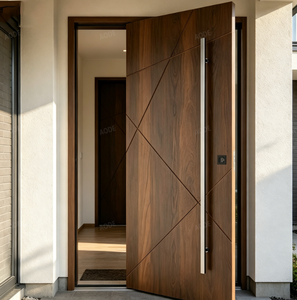
Black Walnut Solid Wood Smart Pivot Door
Modern heavy-duty exterior security front entry door integrating smart keyless locks and thermal acoustic perimeter seals.
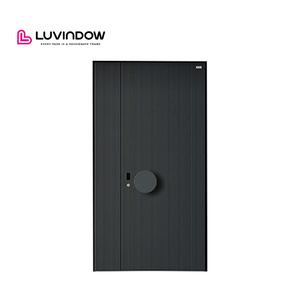
Luvindow Aluminum Security Front Door With Smart Lock
Anti-pry extruded aluminum alloy frame with biometric multi-point locking mechanisms for modern home fortification.
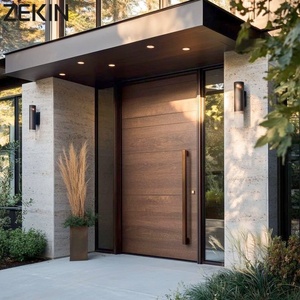
ZEKIN Modern Luxury Entrance Pivot Door
American-designed thermal barrier entry pivot door offering fire retardancy, balanced pivot rotation, and draft control.
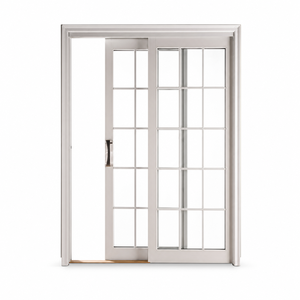
Modern Cladding Aluminum Glass Sliding Door
Precision multi-track exterior patio slide door with argon-filled low-E insulated glass and ultra-narrow sightlines.
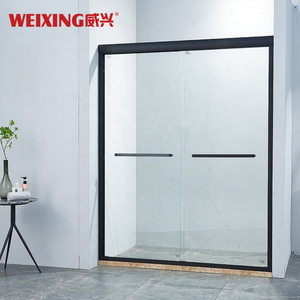
Aluminum Framed Double Sliding Shower Door
Corrosion-resistant anodized aluminum track system with tempered safety glazing, engineered for luxury hospitality suites.
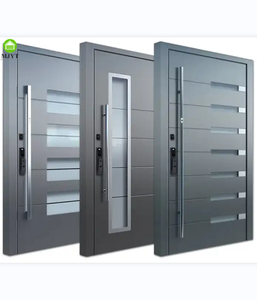
Luxury Villa Aluminum Glass Entrance Main Door
High-strength cast aluminum structure with architectural 3D relief detailing and impact-resistant tempered security glass.
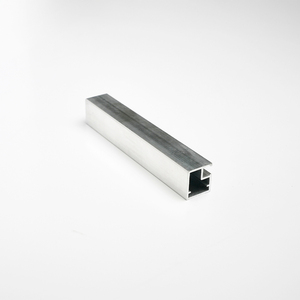
European Aluminum Framed Ventilation Windows
Corrosion-resistant tilt-and-turn profile enabling micro-ventilation and draught-free airflow with 4mm+ tempered safety glazing.
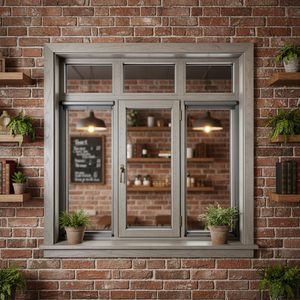
Soundproof Aluminum Clad Wood Windows
Double-glazed single hung and sliding composite systems designed for high-humidity kitchens and soundproof hotel suites.
Top 10 Aluminium Ventilation Window Manufacturers & Suppliers (Global Industry Ranking)
When selecting a facade partner, commercial developers, curtain wall contractors, and EPC procurement managers evaluate strict criteria: alloy metallurgical traceability, thermodynamic insulation values, hardware cycle testing, and factory compliance. Below is the audited breakdown of the top 10 aluminium ventilation window fabricators shaping the international market.
Schüco International
The global benchmark for architectural building envelopes, Schüco excels in mechatronic ventilation vents (VentoTherm Advanced), concealed actuator hardware, and Cradle to Cradle certified thermal systems.
- Key System: AWS 75 VV.SI (Ventilation Vent)
- Thermal Break: Polyamide PA66 with foam core
- Best For: High-budget corporate headquarters
Reynaers Aluminium
A powerhouse in sustainable architectural design, Reynaers provides MasterLine 8 parallel opening and flush ventilation sashes, optimizing natural convection currents without disrupting external curtain wall lines.
- Key System: MasterLine 8 Ventilation Vents
- Acoustic Rating: Rw up to 46 dB
- Best For: European passive house designs
DERCHI (Guangdong Dejiyoupin)
Operating a massive 180,000 ㎡ intelligent production base with 600+ specialists, DERCHI leads direct export manufacturing. Holding AS 2047 N6 cyclone certification, CE, ISO 9001, and UL ratings, DERCHI provides German-grade engineering with competitive direct-from-factory pricing.
- Key System: Narrow-Framed Micro-Vent & Pivot Envelopes
- Certification: AS 2047 N6, CE, ISO 9001, UL
- Advantage: Free CAD shop drawings, quick turnaround
Kawneer (Arconic)
Recognized for architectural glazing and commercial curtain walls, Kawneer specializes in heavy commercial casement, projecting, and concealed thermal ventilation windows suited for institutional projects.
- Key System: GLASSvent® UT Visually Concealed Vents
- Wind Load: Heavy commercial structural ratings
- Best For: Healthcare and higher education
Wicona (Hydro Group)
Utilizing low-carbon Hydro CIRCAL recycled aluminium, Wicona produces high-precision facade integrated ventilation louvers and automated parallel outward sashes for urban ventilation shafts.
- Key System: WICLINE 75 natural airflow modules
- Carbon Footprint: Under 2.3 kg CO2/kg aluminium
- Best For: Low-carbon and LEED Platinum buildings
YKK AP
A dominant player in the Pan-Asian and American markets, YKK AP manufactures ultra-reliable thermal casement and awning windows with micro-ventilation trickle vents designed for extreme seismic and typhoon environments.
- Key System: YVS Architectural Hung & Vent Windows
- Air Infiltration: Class A4 verified air tightness
- Best For: Coastal high-rise developments
Alumil
One of the largest extrusion manufacturers in Europe, Alumil offers the SUPREME and SMARTIA series, featuring continuous ventilation louvre profiles for villas, resorts, and modern hotel complexes.
- Key System: SMARTIA M6300 Air Louvre & Tilt-Turn
- Anodizing: Qualanod marine seaside class
- Best For: Coastal residential resorts
Technal
Technal is celebrated by architects for ultra-slim sightlines and bespoke motorized ventilation flap systems that fit cleanly into structural silicone glazing curtain walls.
- Key System: SOLEAL Evolution Natural Air Sashes
- Design Feature: Concealed hinges and motor drives
- Best For: Architectural boutique structures
Fleetwood Windows & Doors
Specializing in custom luxury residential envelopes, Fleetwood provides large-format aluminium hopper, awning, and motorized clerestory ventilation windows with proprietary thermal breaks.
- Key System: Series 3800-T Commercial Vent Awning
- Hardware: Heavy-duty four-bar stainless hinges
- Best For: Ultra-luxury modern estate builds
Strategic Sourcing Recommendation for International Contractors
While European legacy brands like Schüco and Reynaers maintain strong design influence, Asian manufacturers like DERCHI (Guangdong Dejiyoupin) have narrowed the technological gap through automated CNC extrusion machining, automated PA66 thermal crimping lines, and AS 2047 N6 testing compliance. For multi-unit residential, resort developments, and high-volume facade contracts, factory-direct sourcing from DERCHI offers up to 30–45% procurement cost efficiency with zero compromise in wind-load structural integrity or marine-grade anodizing longevity.
Technical Performance Benchmark Matrix: Aluminium Ventilation Fenestration
Aerodynamic efficiency in fenestration requires optimizing the Discharge Coefficient (Cv) while preventing rainwater ingress and structural deflection under dynamic cyclonic pressures. Review the verified engineering metrics below:
| Fenestration Typology | Effective Free Area (Afa %) | Discharge Coeff. (Cv) | Water Penetration (Pa) | Acoustic Cut (Rw / STC) | Thermal Transmittance (Uf) | Typical Architectural Application |
|---|---|---|---|---|---|---|
| Parallel Outward Vent Window | 45% – 60% | 0.62 – 0.68 | 600 Pa – 1000 Pa | 38 – 44 dB | 1.3 – 1.8 W/m²·K | High-rise commercial curtain walls, continuous floor envelopes |
| Integrated Architectural Louvre Sash | 50% – 70% | 0.48 – 0.55 | 300 Pa – 450 Pa | 28 – 34 dB | 2.2 – 3.0 W/m²·K | Plant rooms, tropical villa cross-ventilation, coastal stairwells |
| European Tilt-and-Turn (Micro-Vent) | 15% (Tilt) / 85% (Turn) | 0.35 (Tilt) / 0.72 (Turn) | 900 Pa – 1200 Pa | 40 – 46 dB | 1.0 – 1.5 W/m²·K | Luxury condominiums, hotels, multi-climate urban developments |
| Top-Hung Concealed Awning Vent | 30% – 48% | 0.58 – 0.64 | 750 Pa – 1100 Pa | 36 – 42 dB | 1.2 – 1.7 W/m²·K | Office building ribbons, wet weather rainy season facades |
| Motorized Flap Aerodynamic Louver | 75% – 90% | 0.70 – 0.76 | 450 Pa – 700 Pa | 32 – 38 dB | 1.5 – 2.0 W/m²·K | Smoke ventilation (SHEV), smart building atrium cooling |
Next-Generation Procurement Trends & Technological Shifts (2026–2032)
As global building codes mandate net-zero carbon goals, the demand for passive heating/cooling envelopes has accelerated. Fenestration procurement is moving from basic manual sashes toward intelligent, dynamic ventilation systems.
1. BMS Integrated Micro-Actuation
Concealed 24V linear actuators wired to Building Management Systems (KNX/BACnet) monitor indoor CO2, humidity, and volatile organic compounds (VOCs), automating ventilation cycles to cut HVAC loads by up to 26%.
2. Aerogel & Continuous Thermal Isolation
Polyamide multi-chamber thermal breaks (PA66 GF25) reinforced with aerogel blanket inserts are driving frame U-factors down toward 0.8 W/m²·K, preventing condensation in tropical environments with high internal air conditioning.
3. Typhoon AS 2047 N6 & Salt Mist Resilience
In Southeast Asia, the Caribbean, and Australia, specifications demand structural cyclic testing up to 4500 Pa wind load. Fluorocarbon PVDF and 25-micron Qualanod architectural coatings resist accelerated salt spray degradation.
Guangdong Dejiyoupin (DERCHI) Architectural Strength
Backed by over 25 years of engineering leadership in Foshan, Guangdong Dejiyoupin Doors and Windows Co., Ltd. is ranked among China's Top 10 fenestration manufacturers. Our facilities provide integrated solutions from raw 6063-T6 billet casting and precision CNC milling to powder coating, glass tempering, and automated packaging.

Frequently Asked Questions: Sourcing Aluminium Ventilation Windows
Direct technical answers addressing acoustic performance, dynamic pressure, corrosion prevention, and export logistics.
How does a ventilation window prevent water ingress during torrential monsoons?
Modern ventilation windows use multi-stage decompression drainage chambers. A concealed internal baffle plate and EPDM co-extruded gaskets lower incoming dynamic wind pressure, allowing collected rainwater to gravity-drain through one-way weep valves without indoor blowback.
What is the difference between 6063-T5 and 6063-T6 architectural aluminium?
6063-T6 undergoes specialized thermal artificial aging, giving it higher tensile yield strength (approximately 214 MPa versus 145 MPa for T5). T6 profiles provide greater structural resistance against wind loads and frame racking in large ventilation openings.
Can ventilation windows maintain soundproofing in busy urban settings?
Yes. Acoustic ventilation windows incorporate labyrinth airflow baffles lined with micro-perforated sound-absorbing foam. When closed, double or triple laminated Low-E units provide sound insulation up to Rw 45 dB. Even in micro-ventilation mode, they can reduce outside street noise by 22–28 dB.
What surface treatment is best for oceanfront coastal developments?
For installations within 500 meters of the coastline, use PVDF (polyvinylidene fluoride) architectural coatings (3-coat system minimum 70% resin) or Class 2 Qualanod anodized finishes with an oxide layer of 20 to 25 microns. These protect against pitting corrosion under ASTM B117 salt spray tests exceeding 3,000 hours.
How does DERCHI ensure structural integrity during long-distance export?
DERCHI uses heavy-duty export packaging: protective blue PE film on profile surfaces, corner edge protectors, high-density pearl foam wraps, and fumigated steel-strapped plywood crates. Every container is balanced and packed to avoid racking or maritime moisture damage during ocean transit.
What lead time should contractors plan for custom architectural profiles?
Standard profile orders ship in 25–30 days. Custom die creation, CAD mock-ups, extrusions, and performance testing typically take 35–45 days. Our bilingual project engineers work directly within your time zone to keep project approvals moving smoothly.