180,000㎡
Fabrication Facility
AS 2047 N6
Typhoon/Impact Benchmark
100+
Global Patents & Testing Certs
25+
Years Engineering Pedigree
Precision Systems Tested for Extreme Global Climates
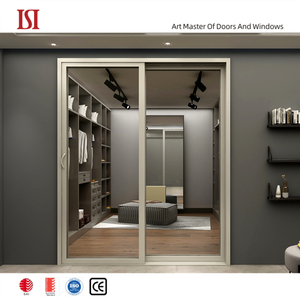
Explore architectural casements, vacuum-insulated multi-folds, and ultra-high load sliding configurations manufactured under ISO 9001 and compliant with NFRC, CE, and AS 2047 frameworks.
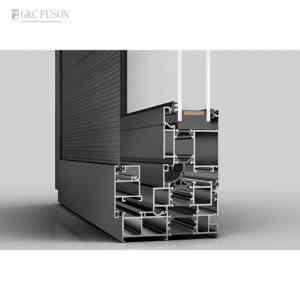 NFRC Certified
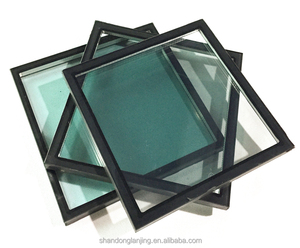 Vacuum Glazed
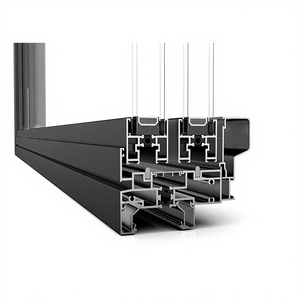
 Thermal Break
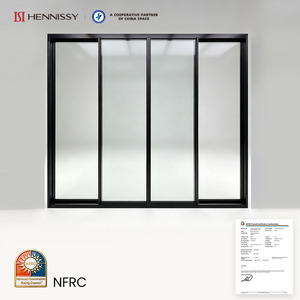 U-Value 1.7
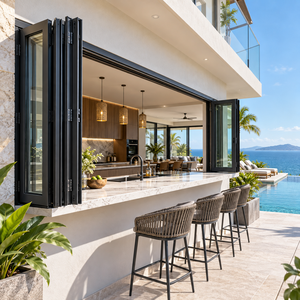 Commercial Grade
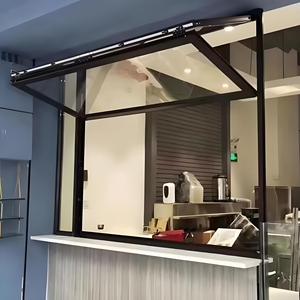
Whitepaper: Engineering Benchmarks in Modern Fenestration Procurement
Procuring commercial-grade aluminum alloy doors and windows for large residential master plans, high-end hospitality resorts, and municipal complexes requires rigorous vetting beyond surface-level aesthetics. As thermal enclosure codes become stringent under international building codes (IBC), ASTM impact frameworks, and European passive house criteria, export fabricators must demonstrate absolute command over metallurgy, thermal break integration, and micro-gap weatherproofing.
The alloy baseline must consistently meet 6063-T5 or 6063-T6 metallurgical standards to deliver tensile yield strengths exceeding 160 MPa. Surface finishes—whether fluorocarbon PVDF electrostatic spraying or 25-micron architectural anodization—must undergo salt-spray chamber validation exceeding 3,000 hours to ensure resilience in coastal salt-air environments such as Southeast Asia, Florida, and Oceania.
| Performance Characteristic | Standard Specification | Engineered DERCHI Benchmark | Applicable Global Standard |
|---|---|---|---|
| Structural Wind Load (Deflection) | Serviceability Limit: 1500 Pa | Ultimate Limit: 4500 Pa (N6 Cyclonic) | AS 2047 / ASTM E330 |
| Water Infiltration Resistance | Static Test: 300 Pa - 450 Pa | Calibrated Pressure: 700 Pa Zero Leakage | AAMA/WDMA/CSA 101 / EN 12208 |
| Overall Thermal Transmittance (U-Value) | Generic Aluminum: 3.2 - 4.5 W/m²·K | Polyamide PA66 Break: 1.4 - 1.7 W/m²·K | NFRC 100/200 / ISO 10077-1 |
| Acoustic Decibel Attenuation (Rw) | Standard IGU: 28 - 31 dB | Acoustic PVB Lamination: 42 - 47 dB | ASTM E90 / ISO 717-1 |
| Hardware Operational Longevity | Cycle Life: 25,000 Operations | Heavy-Duty Roller Arrays: 100,000+ Cycles | EN 13126 / AAMA 902 |
Additionally, modern architects demand minimal sightlines paired with structural strength. To accommodate jumbo floor-to-ceiling architectural IGUs weighing upwards of 400 kg per panel, extrusions require precision wall thicknesses between 2.0 mm and 3.5 mm, reinforced with multi-point stainless steel locking arrays that distribute mechanical stress evenly along the vertical jambs.
Emerging Procurement Trends Shaping Aluminum Fenestration
Anticipate supply chain evolutions, regulatory shifts, and technical material adoptions critical for commercial developers and multi-family residential builders over the next five years.
Low-Carbon Recycled Extrusions
Global developers are enforcing Scope 3 decarbonization goals. Primary aluminum smelting generates heavy carbon outputs; thus, procurement mandates are pivoting to low-carbon billet produced via clean hydroelectric power with minimum 75% post-consumer recycled scrap, supported by certified Environmental Product Declarations (EPDs).
Vacuum Insulated Glass (VIG) Systems
While traditional triple-pane low-E glass adds immense weight to hinges and frames, emerging vacuum insulated glazing provides equivalent U-values (as low as 0.60 W/m²·K) in a slim 8.3 mm cross-section. Sourcing engineers are prioritizing suppliers capable of integrating VIG into ultra-slim multi-slide profiles.
Pre-Glazed Unitized Assemblies
Skyrocketing job-site labor costs across North America, Europe, and Australia are driving demand away from knock-down (KD) field-assembled frames toward factory-glazed, fully unitized systems. Complete pre-hung assemblies with pre-tested hardware reduce installation schedules and eliminate site-glazing quality risks.
Guangdong Dejiyoupin Doors and Windows (DERCHI) Edge
Recognized as one of China's Top 10 fenestration enterprises, DERCHI combines a 180,000 ㎡ high-precision manufacturing campus with multi-continental compliance engineering.
180,000 ㎡ Production Scale
Fully automated multi-axis CNC machining centers, automated powder-coating lines, and robotic assembly stations powered by 600+ skilled fenestration engineers.
Certified Global Compliance
Fully audited test regimes delivering CE, ISO 9001, AS 2047 cyclonic certification, and UL fire-rated validations for simplified municipal permitting.
100% In-House CAD & BIM
Our dedicated engineering department generates parametric BIM objects, shop shop drawings, wind load calculations, and tailored extrusion profiles at zero extra charge.
Multi-Continental Case History
Extensively proven in luxury villas, residential towers, and resort developments across the USA, Canada, Australia, the Middle East, and Southeast Asia (WORLDBEX 2025 exhibitor).
Frequently Asked Questions on Fenestration Export Sourcing
Direct technical answers addressing structural tolerance, thermal isolation, testing documentation, and logistics handling for global project contractors.
How do you guarantee watertightness and air permeability in cyclonic conditions?
Our systems incorporate multi-chambered polyamide PA66 thermal break bars paired with continuous automotive-grade EPDM gasket seals. Deep-pocket sill designs utilize concealed baffle drainage systems that channel positive water pressure away from the interior, passing AS 2047 N6 tests under dynamic water loads reaching 700 Pa.
What parameters are required to get an exact factory-direct quote?
To produce an authoritative commercial estimate and structural bill of materials (BOM), please provide: architectural window/door schedules (rough openings W × H), glass build requirements (e.g., Low-E double IGU, laminated, or vacuum glass), desired aluminum finish (PVDF, AkzoNobel powder coating, or anodized), and project geographical wind load parameters.
How do DERCHI aluminum systems prevent galvanic corrosion in coastal zones?
In high-salinity zones, galvanic corrosion occurs when dissimilar metals contact electrolyte solutions. We exclusively utilize 316-grade marine stainless steel fasteners, nylon isolating shims, and heavy-duty die-cast aluminum corner cleats with structural epoxy bonding, ensuring non-reactive structural longevity along open shorelines.
What packaging protocols ensure zero transit damage across ocean freight?
Finished frames and glazed panels undergo a 5-tier crating protocol: scratch-resistant PE protective film, closed-cell corner guards, honeycomb cardboard boxing, and fumigated steel-reinforced solid plywood crates. Each crate includes desiccant packets and vertical glass racking designed for forklift off-loading.