Featured Aluminum Fabrication Door Solutions
Engineered with virgin 6063-T5/T6 marine-grade alloys, multi-point transmission gear hardware, and thermal-break architectural profiles certified to international testing protocols.
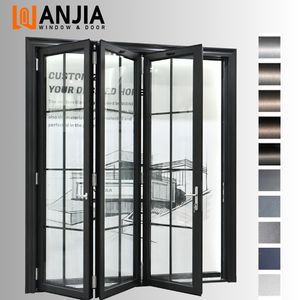
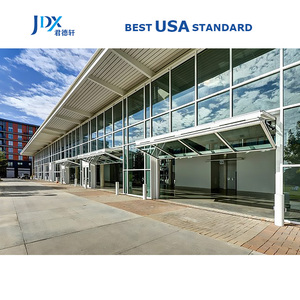
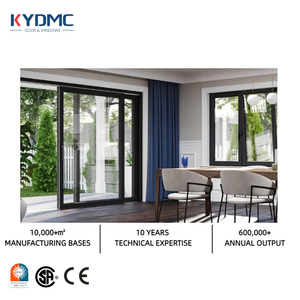
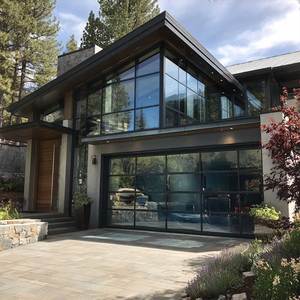
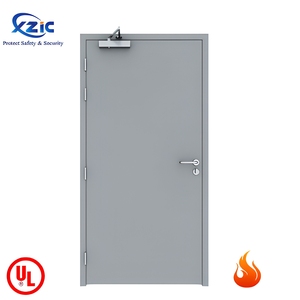
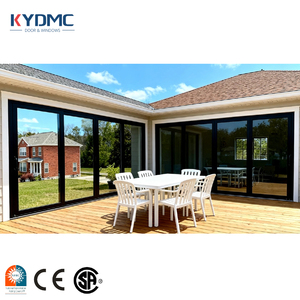
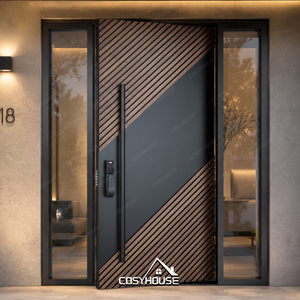
Engineering Superiority: Defining the Top Tier of Aluminum Door Fabrication
In modern architectural fenestration, the distinction between standard commercial assembly and tier-one aluminum door fabrication lies in metallurgical composition, profile wall thickness tolerances, extrusion geometry, and chemical surface treatments. Aluminum alloys, predominantly 6063-T5 and 6063-T6, offer the quintessential strength-to-weight ratio needed for oversized pivot configurations, ultra-slim sliding panoramas, and heavy-duty accordion partitions. However, uncertified fabrication often introduces fatal flaws: uncalibrated thermal bridging, inadequate deflection resistance against cyclonic pressures, and galvanic corrosion from substandard sub-frame fastenings.
A certified fabrication manufacturer implements CNC multi-axis milling for corner joint crimping, structural silicone bonding (SSG) matching ASTM C1401 requirements, and Polyamide 66 reinforced with 25% glass fiber (PA66 GF25) thermal insulation strips. These barriers reduce thermal conductivity from 160 W/(m·K) in uninsulated aluminum to overall system U-values below 1.6 W/(m²·K), dramatically slashing operational HVAC consumption across both tropical humid and extreme sub-zero regions.
System Specification: Structural & Fenestration Metrics
| Door System Typology | Standard Alloy Grade | Structural Wind Pressure | Water Penetration Threshold | Acoustic Attenuation (Rw) |
|---|---|---|---|---|
| Hurricane Accordion / Bifold | 6063-T6 High Tensile | N6 Rating (>4500 Pa) | 700 Pa Static Head | Rw 38 - 42 dB |
| Ultra-Slim Heavy Lift-Slide | 6060-T66 Ultra Precision | 3500 Pa Serviceability | 600 Pa Cyclic Pressure | Rw 35 - 40 dB |
| Cast Aluminum Villa Entry | A356 Structural Ingot | 6000 Pa Ultimate Load | Hermetic Gasket Press | Rw 44 - 48 dB |
| UL Fire-Rated Flush Door | Galvannealed / Metal Core | Positive Fire Pressure | Smoke Infiltration UL1784 | Rw 45 dB |
Next-Generation Trends Transforming Aluminum Door Sourcing
The fenestration sector is experiencing tectonic shifts driven by decarbonization benchmarks, dynamic building envelopes, and digital structural modeling.
Low-Carbon Recycled Aluminum
Global procurement directives now mandate post-consumer recycled aluminum content. Smelting through hydroelectric renewable energy cuts embedded carbon from 16.8 kg CO₂/kg aluminum down to less than 4.0 kg CO₂/kg, fulfilling LEED v4.1 and BREEAM green building certifications.
Concealed Smart Automation
The convergence of building automation systems (BAS) with motorized concealed pivot systems. Invisible electro-mechanical multi-point latches, integrated thermal imaging sensors, and biometric access controls are being directly fabricated inside the profile extrusion core.
Extreme Climatological Resilience
Intensifying global weather patterns have transformed cyclonic testing from an optional upgrade to a mandatory requirement. AS 2047 N6, Florida Miami-Dade NOA, and ASTM E1886/E1996 missile-impact standards dominate commercial and high-end residential bid specifications.
Future Procurement Trends: Mitigating Supply Chain Vulnerabilities
In the wake of raw material volatility, international procurement directors are moving away from fragmented, multi-vendor sourcing models. Consolidating architectural openings—exterior pivot entrances, hurricane-resistant sliding configurations, acoustic balcony enclosures, and overhead garage portals—under a single unified manufacturing umbrella mitigates systemic risk. By partnering with an enterprise possessing deep extrusion capabilities, certified coating facilities (fluorocarbon PVDF / Qualicoat Seaside Class), and comprehensive pre-assembly lines, general contractors eliminate site-fitment tolerances and reduce transatlantic logistics overhead by up to 35%.
Furthermore, early involvement of the manufacturer's technical drafting department during the Schematic Design (SD) and Design Development (DD) phases drastically curtails Requests for Information (RFIs) and unbudgeted Change Orders during installation.
Why Leading Global Specifiers Partner With DERCHI
Operating as the global industrial arm of Guangdong Dejiyoupin Doors and Windows Co., Ltd., we combine world-class German machining precision with integrated industrial scale.
- 180,000㎡ Intelligent Manufacturing Base: High-precision robotic processing centers ensuring fabrication tolerances under ±0.5mm across all structural dimensions.
- Global Accreditations: Fully certified under CE, ISO 9001, AS 2047 N6 cyclonic testing, and UL 10C 1-3 hour fire rating standards with third-party testing documentation.
- In-House CAD/BIM Engineering: Turnkey shop drawing preparation, structural wind deflection calculations, and custom anchorage design tailored to local building codes.
- Proven Multi-Regional Track Record: Recognized at Philippines WORLDBEX 2025; executing landmark residential estates and hotel projects across North America, the Middle East, and Southeast Asia.

Frequently Asked Questions (FAQ) for Enterprise Buyers
Alloy 6063 provides superior extrusion surface quality, making it the architectural benchmark for anodizing and powder coating finishes. In the T5 temper, it delivers optimal ductility and formability. Alloy 6061-T6 contains higher concentrations of magnesium and silicon, offering significantly higher yield strength (approx. 240 MPa vs 145 MPa for 6063-T5). For large pivot entrance structures or coastal typhoon zones, tier-1 suppliers utilize artificially aged 6063-T6 or structural 6061 internal sub-frames to maximize deflection resistance without sacrificing external aesthetic finish.
In coastal regions subjected to high salinity and humidity (e.g., Florida, Southeast Asian archipelagos, Caribbean coasts), standard architectural powder coatings (AAMA 2603) fail within 2-3 years due to filiform and pitting corrosion. Procurement specifications should mandate AAMA 2605 compliant 70% Polyvinylidene Fluoride (PVDF) fluorocarbon liquid coatings or Qualicoat Class 2 / Seaside endorsed powder coatings, capable of withstanding 4,000+ hours of continuous neutral salt spray (ASTM B117) without film blistering or gloss degradation.
Suppliers must demonstrate compliance through certified laboratory testing: AS 2047 (Australian Standard, requiring up to N6 cyclonic testing for wind loading exceeding 4500 Pa), ASTM E1886 and ASTM E1996 (Large Missile Impact and cyclic pressure for hurricane zones), or Miami-Dade County Notice of Acceptance (NOA). Testing protocols verify that the door frame, laminated impact interlayers (such as SentryGlas), and anchoring assemblies remain intact and weathertight under cyclical structural stress.
Enterprise manufacturers run fully integrated CAD/BIM drawing approval loops. Following receipt of the architectural door schedule, our engineering team produces detailed 1:1 cross-section shop drawings indicating fixing details, perimeter sealing, glass edge clearances, and load transfers. Pre-production mockups undergo finite element analysis (FEA) for thermal U-factor simulation using THERM/WINDOW software before CNC profile extrusion cutting, milling, and pre-hanging assembly begin.
Export doors undergo a five-stage crating process: low-tack protective film applied to all profile faces, corner impact protectors, vacuum-sealed PE wrapping to prevent oceanic moisture ingress, and installation into fully enclosed, fumigated ISPM-15 plywood crates with internal structural bracing. Individual units are coded to building floor plans and elevation schedules for rapid on-site staging.
Advance Your Project with Engineered Aluminum Fenestration
Consult directly with our Foshan-based structural engineering team. Submit your architectural elevations, wind-load parameters, or procurement schedules for an expedited technical review within 24 hours.