Engineered Aluminium Back Doors & Patio Systems
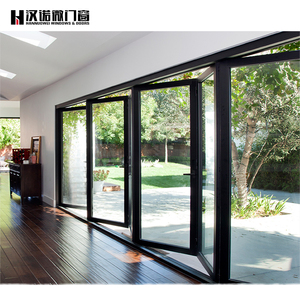
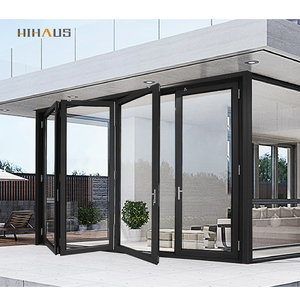
Direct from Foshan manufacturing base: Precision-built acoustic slim hinges, motorized Low-E double glazing, weather-tight folding partitions, and heavy-duty utility swing doors.
Architectural Engineering White Paper: Specifying Commercial & Residential Aluminium Back Doors
In modern architecture and residential development, secondary egress points—conventionally known as aluminium back doors, utility terrace doors, patio transitions, and courtyard sliders—represent the most structurally challenged fenestration elements in any building envelope. Unlike sheltered main front doors, back entry doors directly face harsh environmental variables: continuous wind shear, intense driving monsoons, direct solar UV exposure, soil backsplash, and severe indoor-outdoor thermal gradients. Specifying high-performance back doors demands structural rigor, material integrity, and advanced extrusion metallurgy.
As a leading China aluminium back doors factory and exporter headquartered in Foshan, Guangdong—the global epicenter of high-end aluminum extrusion—our manufacturing methodology transitions past superficial aesthetics. We engineer systems around prime architectural 6063-T5/T6 billet extrusions, structural polyamide thermal breaks (PA66 GF25), and comprehensive EPDM triple-sealing gaskets capable of resisting up to 4500 Pa of dynamic wind loads.
Technical Insight: Standard residential back doors commonly fail within 36 months due to water backward seepage through frame miter joints, thermal bridging condensation, and galvanic hardware oxidation. Our manufacturing integrates mechanical corner cleats with injected two-component polyurethane joint sealants and marine-grade A4 316 stainless steel friction hinges.
Material Science: 6063-T6 Precision Alloys vs. Standard Scrap Recycled Billets
The structural backbone of every industrial and architectural aluminum back door is its chemical composition. Virgin 6063-T6 aluminum alloys contain precise magnesium and silicon percentages (0.45–0.9% Mg, 0.2–0.6% Si), yielding a tensile strength exceeding 205 MPa and yield strength beyond 170 MPa. Many low-cost exporters cut raw material overhead by recycling post-consumer scrap contaminated with iron, which precipitously degrades ductility, induces intergranular stress corrosion, and yields brittle profiles susceptible to cracking under sustained wind pressure.
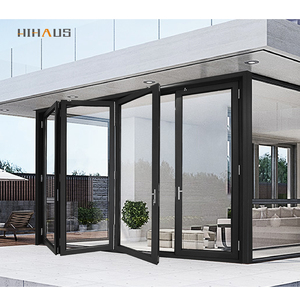
Our extrusions strictly uphold wall thicknesses from 2.0mm to 3.0mm, comfortably surpassing national and international minimum structural benchmarks. This architectural wall substance ensures that oversized panels—such as full-view floor-to-ceiling slim glass back doors and multifold accordion wall dividers—maintain deflection-free geometry over decades of continuous cycle operation.
Strategic Trends Shaping Global Aluminium Back Door Sourcing (2025–2030)
International contractors, real estate developers, and building material importers are restructuring fenestration specifications around four pivotal industry shifts.
Decarbonization & Ultra-Low U-Values
With aggressive global energy codes (such as ASHRAE 90.1, Title 24, and the EU Energy Performance of Buildings Directive), back doors can no longer remain thermal heat sinks. Sourcing has pivoted sharply to multi-cavity thermal break systems utilizing multi-pane argon-filled warm-edge Low-E insulated glass units achieving overall U-factors below 1.2 W/m²·K (0.21 BTU/h·ft²·°F).
Extreme Weather & Coastal Salt-Mist Resilience
Intensifying storm frequencies in coastal zones—from Southeast Asia's typhoon corridors to Florida's hurricane zones—demand verified AS 2047 N6 and ASTM E1886/E1996 cyclic impact certifications. Procurement managers require Qualicoat Class 2 fluorocarbon (PVDF) architectural coatings providing 30-year resistance against chalking, fading, and micro-cracking.
Slim-Sightline Biophilic Connectivity
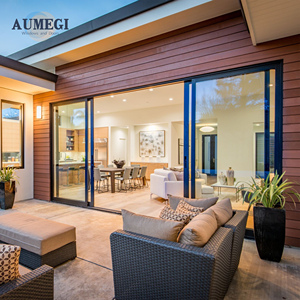
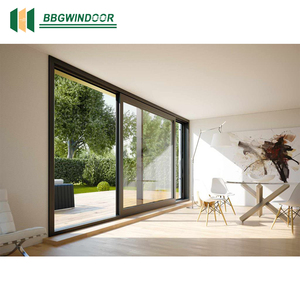
Modern luxury architectural design language demands expansive natural light and unobstructed sightlines between interior kitchens, family rooms, and private exterior landscapes. Slim sightline profiles (interlock widths under 28mm) coupled with integrated sub-sill flush drainage channels are overtaking obsolete thick-frame commercial doors.
Specialized Functional Integration
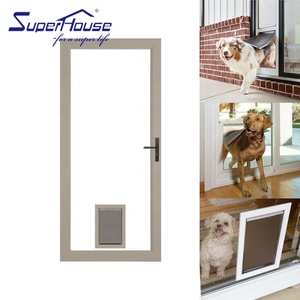
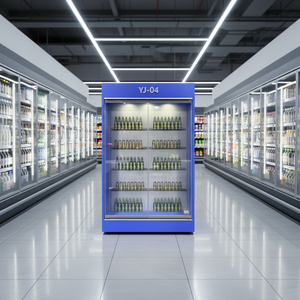
Bespoke back door requirements have shifted away from commodity retail catalog stock. Commercial cold-chain storage requires electric heating back-up glass to prevent atmospheric condensation. Concurrently, luxury villas demand custom integrated pet-access panels equipped with magnetic 316 stainless steel perimeter weather-stripping to eliminate air infiltration.
Electronic Smart Access & Multi-Point Security
Back doors represent the primary vector of residential intrusions. Procurement trends highlight an increasing adoption rate for automated motorized locks, concealed electric strikes, 5-point espagnolette locking systems, and integrated biometric/smart-home system interfaces that deliver fortress-level burglary resistance without clunky padlocks or bars.
Prefabricated Modular Installation Systems
Due to surging on-site unionized labor costs across Europe, North America, and Australia, general contractors increasingly mandate factory pre-assembled sub-frame casing systems, pre-drilled anchors, snap-in interior glazing beads, and unified shipping crates that slash installation labor by up to 45% per door aperture.
Engineering Benchmark: Material Specification Comparison Matrix
Understand the performance trade-offs across common back door structural configurations when engineering for harsh outdoor environments.
| Performance Parameters | Architectural Thermal Break Aluminium | Standard Non-Thermal Aluminum | uPVC / Vinyl Back Doors | Solid Hardwood Exterior Doors |
|---|---|---|---|---|
| Structural Wind Load (AS 2047) | Exceeds 4500 Pa (N6 Cyclonic) | 1500–2000 Pa (Moderate) | 1200–1800 Pa (Prone to creep) | Varies (Risk of warping) |
| Thermal Transmittance (U-Value) | 1.1 – 1.6 W/m²·K (Optimized) | 4.5 – 6.0 W/m²·K (High Loss) | 1.3 – 1.8 W/m²·K (Good) | 1.8 – 2.4 W/m²·K (Average) |
| Moisture, Mold & Rot Resistance | 100% Inert (Immune to rot/swelling) | 100% Inert (Immune) | High (Surface staining possible) | Low (Swells, absorbs water, rots) |
| Long-Term UV Stability | PVDF / AkzoNobel 30-Yr Warranty | Standard Anodized (10 Yr) | Chalks & embrittles over time | Requires regular re-staining |
| Recyclability & Eco-Rating | 100% Infinitely Recyclable (High ROI) | 100% Recyclable | Complex recycling (Landfill risk) | Renewable (If sustainably harvested) |
| Maximum Clear Opening Span | Up to 18 meters (Multi-panel slide) | Limited to 6 meters | Strictly limited to small panels | Limited due to heavy deadweight |
Why Global Projects Partner with Our Foshan Factory
Operating from our 180,000 square-meter advanced manufacturing facility in Guangdong, we bridge the gap between design vision and industrial execution.
180,000 ㎡ Mega Production Hub
Our integrated manufacturing ecosystem houses fully automated CNC 4-axis profile machining centers, robotic corner crimping cells, electrostatic powder coating lines, and dedicated dust-free insulating glass assembly plants.
International Testing Accreditations
Backed by over 100 patents and formal certifications including CE (EN 14351-1), ISO 9001, Australian AS 2047 N6, and UL-certified fire-rated configurations, ensuring smooth municipal code inspections across tier-1 export markets.
600+ Skilled Specialists
With a 25-year manufacturing legacy, our engineering roster features over 45 dedicated fenestration designers providing comprehensive CAD shop drawings, structural wind load FEA calculations, and BIM family assets for rapid architectural drafting.
Stringent 6-Stage QC Protocol
From optical spectrographic alloy checks upon raw billet ingestion to simulated high-pressure chamber water penetration tests on pre-delivery samples, our quality assurance protocols ensure zero on-site defects.
Global Project Track Record
Distinguished references across North America, the UK, Australia, the Middle East, and Southeast Asia. Widely recognized at international exhibitions including WORLDBEX Philippines, IBS USA, and Fensterbau Frontale Germany.
Export-Grade Protective Packaging
Doors are wrapped in multi-layered protective electrostatic film, cushioned with dense closed-cell EPE foam, fitted with corner edge protectors, and secured within fumigated steel-strapped solid plywood crates for sea container transit.
Frequently Asked Questions (B2B Sourcing Guide)
Direct answers to the most common technical, logistics, and compliance inquiries posed by architects, builders, and fenestration importers.
Accelerate Your Project with Certified Factory-Direct Door Engineering
Request our full comprehensive commercial catalog, including detailed extrusion CAD cross-sections, thermal performance data sheets, AS 2047 / CE test reports, and direct factory pricing for your upcoming developments.