Thermal Insulated
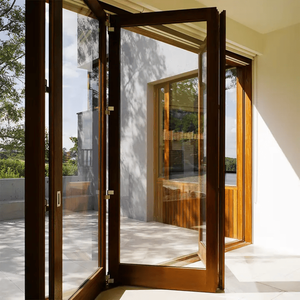
From micro-profile mullioned bi-folds to thermal-break heavy entryways, our structural framing meets AS 2047, CE, and ISO 9001 performance standards.
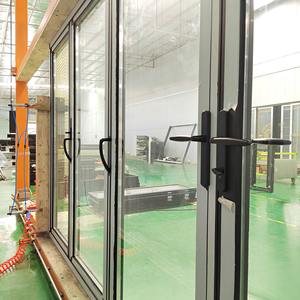
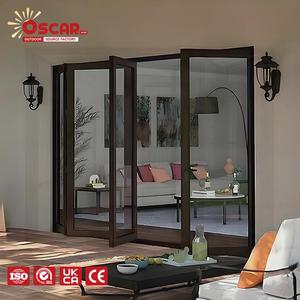
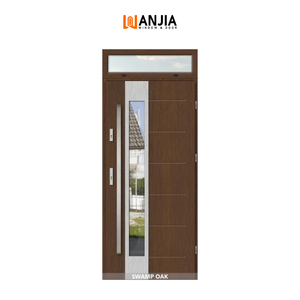
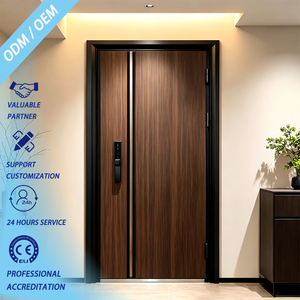
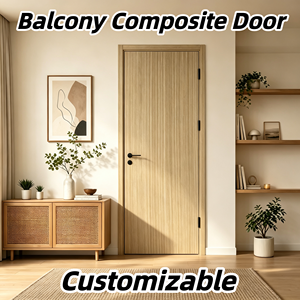
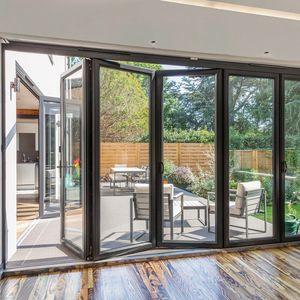
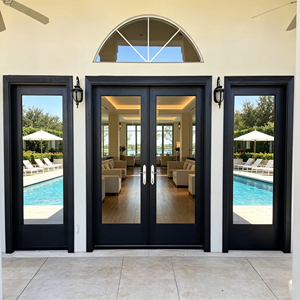
The traditional aesthetic of cottage pane doors—distinguished by multi-lite grids divided by authentic or simulated glazing bars—has undergone a comprehensive engineering renaissance. Originally developed during historical epochs when monolithic glass manufacturing was technologically constrained, the colonial and Tudor cottage pane geometry is now an international design benchmark. Modern architectural typologies demand the preservation of this vintage sightline balance while concurrently mandating heavy-duty wind-load thresholds, passive house thermal efficiency, and zero operational degradation in corrosive, humid microclimates.
As a leading Chinese direct-manufacturer and exporter, our engineering protocols substitute obsolete timber cores and structural mild steel with advanced 6063-T5 and 6063-T6 architectural-grade extruded aluminum alloys. Unlike solid wood entrance systems, which systematically succumb to hygroscopic swelling, rotational warping, timber decay, and fungal proliferation when exposed to continuous relative humidity above 75%, thermal-break aluminium extrusions maintain millimeter-precise dimensional stability across extreme ambient transitions ranging from -30°C to +70°C.
Selecting architectural building envelopes requires quantified risk mitigation regarding life-cycle cost, cyclical maintenance schedules, and mechanical payload resistance. The following technical parameter matrix outlines why international specifiers preferentially source 6063-T6 aluminum cottage pane configurations over hardwood or cold-rolled carbon steel:
| Technical Characteristic | DERCHI 6063-T5/T6 Aluminium | Standard Hardwood (Meranti/Oak) | Mild Rolled Carbon Steel |
|---|---|---|---|
| Hygroscopic Stability | Zero volumetric expansion (Moisture absorption <0.01%) | Volumetric swelling 4.5% - 8.2%; regular binding | Immune to water swelling; prone to rust crystallization |
| Corrosion Resistance | PVDF / AkzoNobel powder coat: ASTM B117 >3000 hrs | Vulnerable to rot, wood-boring insects, and UV mold | Requires perpetual repainting; oxidizes rapidly in salt mist |
| Cyclic Wind Load Rating | AS 2047 N6 compliant (Exceeds 4500 Pa pressure) | Structural frame fatigue under cyclonic gusts | High structural strength, but excessive deadload stresses |
| Thermal Insulation (U-Value) | Down to 1.4 W/m²·K with PA66 thermal barrier | 1.8 – 2.4 W/m²·K (depending on timber density) | Above 5.8 W/m²·K without costly thermal isolators |
| Glazing Flexibility | Accepts 5mm+12A+5mm to 6mm+1.52PVB+6mm Low-E | Typically restricted to single or thin double panes | Restricted by narrow pocket clearances and bead weight |
Direct mill purchasers, architectural consultants, and luxury hospitality general contractors are shifting supply chain strategies. Procurement decision-makers now look beyond superficial square-meter pricing to evaluate overall life-cycle durability and automated integration. The following macro dynamics will direct the market across the next five years:
Green building mandates (such as LEED v4.1 and BREEAM) drive preference for low-carbon primary aluminum billets refined via hydro-electric energy, demanding fully recyclable circular alloys with certified low embodied carbon footprints.
High-end residential entries increasingly combine classic simulated divided lite (SDL) aesthetics with concealed motorized multipoint locking systems, integrated seamless magnetic drop-bolts, and biometric smart architectural access.
Technological leaps in structural silicone glazing and internal perimeter steel stiffeners allow frame sightlines to decrease from traditional 90mm profiles to ultra-minimalist 35mm cottage mullions without sacrificing wind-load capacities.
The manufacturing evolution of aluminum cottage pane systems focuses heavily on surface longevity and structural glass integration. While legacy colonial frames relied upon separate, individual cut glass panes manually fitted into each small aperture—introducing dozens of potential leak paths—modern high-performance manufacturing utilizes continuous insulated glass units (IGUs) with internally bonded duplex spacer bars and externally matched colonial muntins (Simulated Divided Lites / SDL).
This layout ensures unbroken envelope security, optimized acoustic isolation reaching Rw 42 dB, and eliminates water penetration risks through the grid joints. For surface durability, architectural powder coatings formulated with AkzoNobel Interpon D2525 fluorocarbon polymers and advanced PVDF (Polyvinylidene Fluoride) three-coat technologies deliver outstanding resistance against Florida 5-year UV chalking exposure, coastal saline degradation, and extreme atmospheric sulfur contact.
Operating from our modern 180,000 m² smart manufacturing headquarters in Foshan, Guangdong—the recognized core of global architectural aluminum production—Guangdong Dejiyoupin Doors and Windows Co., Ltd. (DERCHI) represents the standard for large-scale production reliability. Backed by 25+ years of fenestration design experience and an engineering workforce exceeding 600 specialists, we service developers, general contractors, and trade wholesalers across North America, Australia, Europe, the Middle East, and Southeast Asia.
Our fenestration assemblies are certified to CE, ISO 9001, UL fire ratings, and Australia's stringent AS 2047 N6 hurricane wind load metrics.
Our dedicated engineering department provides complimentary architectural CAD drafting, static wind calculations, and BIM models tailored to specific project schedules.
From aluminum billet extrusion and computerized CNC multi-axis milling to automated double-glazing lines and dry assembly, every operation is managed internally.
Panels are secured within high-density fumigated timber crates with anti-abrasion protective films and desiccant packs to prevent transit damage.