Factory-Engineered Aluminium Door & Window Series
Explore our high-performance architectural systems. Designed with integrated anti-mosquito fly screens, thermal breaks, and structural multi-point anti-burglary locks for luxury residential villas, estates, and commercial developments worldwide.
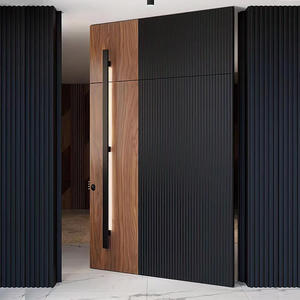 Villa Gate System
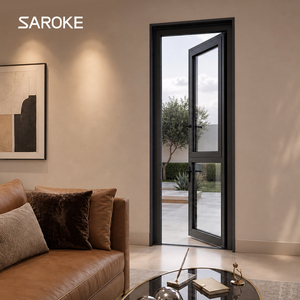 Patio & Sliding
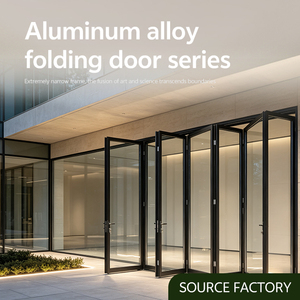 Bifold Exterior
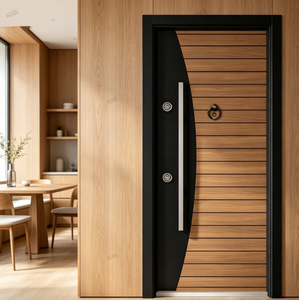 Anti-Theft Security
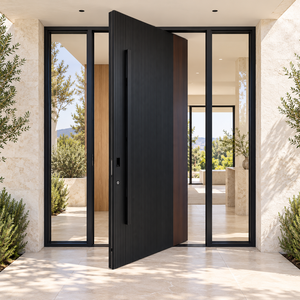 Architectural Wood-Grain
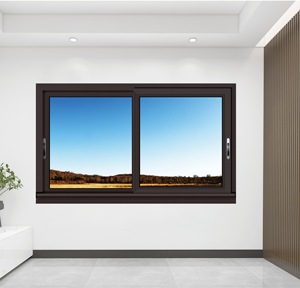 Integrated Hung System
 Sectional Overhead
Engineering Paradigm: Why Aluminium Mosquito Mesh & Security Screen Doors Dominate Global Fenestration
In contemporary architectural fenestration, the convergence of perimeter physical security, cross-ventilation, and vector-borne insect defense has elevated the aluminium mosquito mesh door from a basic building accessory to a heavily engineered architectural envelope element. Historically, traditional insect screening solutions relied on flexible fiberglass, nylon, or low-gauge synthetic meshes secured by rubber spline beads. While functional for micro-pest deterrence, these systems offered zero structural rigidity, degraded rapidly under sustained solar ultraviolet radiation, tore under moderate physical abrasion, and presented zero resistance against opportunistic forced building entry.
As a tier-one China aluminium mosquito mesh door factory and global supplier, Guangdong Dejiyoupin Doors and Windows Co., Ltd. (DERCHI) engineers fenestration barriers utilizing heavy-gauge primary architectural extrusions (predominantly 6063-T5 and 6063-T6 aircraft-grade aluminium alloys) mechanically paired with woven high-tensile marine-grade AISI 304 and AISI 316 stainless steel wire mesh. This rigid configuration—commonly designated in international civil construction as "Security Mesh Doors" or "Crimsafe-Type Architectural Mesh"—delivers an impervious physical shield. It provides absolute exclusion of biting insects (such as Aedes aegypti mosquitoes transmitting dengue and zika) while simultaneously resisting knife shears, dynamic human impact forces, jemmy pry-bar leverage, and cyclonic debris impacts certified under Australian AS 2047 and AS 5039/5041 standards.
Alloy Metallurgy: 6063-T5 / T6
Profile wall thicknesses engineered between 1.6mm and 3.0mm provide superior torsional moment of inertia. Multi-cavity extrusion chambers dissipate wind loads up to 4500Pa, preventing frame flex and perimeter air leakage.
Marine-Grade 316 Mesh
Woven from 0.80mm to 1.0mm diameter cold-drawn austenitic stainless wire with 900MPa tensile strength. Coated with AkzoNobel electrostatic powder resin to withstand 3,000+ hours in neutral salt spray testing (ASTM B117).
Multi-Point Security Locking
European-standard mushroom cam or hook deadbolts lock simultaneously at top, middle, and bottom jamb positions via a single ergonomic lever stroke, mitigating crowbar and jemmy deflection along the frame perimeter.
Comprehensive Technical Specification & Material Benchmark Matrix
To eliminate the ambiguity often encountered in B2B fenestration procurement, the following matrix contrasts our industrial-grade aluminium mosquito security mesh door configurations against conventional commercial insect screens and low-cost steel grilles:
| Engineering Parameter | DERCHI Industrial Security Mesh Door | Standard Commercial Flyscreen | Traditional Mild Steel Security Grille |
|---|---|---|---|
| Primary Frame Substrate | 6063-T5 / 6063-T6 Architectural Aluminium (1.8–3.0mm) | Roll-formed 0.4mm Aluminium or PVC Channel | Hollow Structural Carbon Steel Pipe (1.0–1.2mm) |
| Screen Material & Wire Dia. | AISI 304 / 316 Stainless Steel (0.80mm – 1.00mm) | Vinyl-Coated Fiberglass (0.28mm) / Nylon Yarn | Solid Steel Bars or Expanded Metal Lathes |
| Mesh Aperture & Visibility | 1.5mm × 1.5mm (Clear Optical Transparency, 60% Open Area) | 1.2mm × 1.2mm (Soft Grey Visibility, Easy Tear) | 100mm × 100mm Cage Grid (Zero Insect Protection) |
| Anti-Pry & Impact Rating | Passes AS 5041 (Dynamic Impact >100 Joules, Knife Shear) | Zero Impact Rating (Easily Slashed by Hand) | Moderate Impact; Prone to Joint Weld Shear |
| Corrosion Resistance (C5 Coastal) | ASTM B117 >3,000 Hrs (Fluorocarbon/Akzo) | Fiberglass Degrades; Rubber Spline Shrinks/Cracks | Severe Rusting within 12–24 Months Coastal Exposure |
| Thermal Barrier Option | PA66 Polyamide Thermal Break Bridge Available | Not Applicable (Non-insulating frame) | Not Applicable (Continuous Cold/Heat Bridge) |
| Hardware Integration | Multi-Point European Mortise Lock (3-Point to 5-Point) | Plastic Surface Latch or Roller Catch | Exposed Padlock Lugs or Basic Deadbolt |

25+ Years of Manufacturing Mastery
Ranked among China's Top 10 Door and Window Brands, DERCHI operates one of South China's largest intelligent fenestration facilities. Serving residential villa developers, contractors, and international importers across North America, Australia, the Middle East, and Southeast Asia (Philippines, Vietnam, Thailand, Indonesia, Malaysia).
- End-to-End Vertical Manufacturing: In-house extrusion precision CNC machining, 45-degree hydraulic crimping, thermal break insertion, automated powder coating, and robotic wire mesh tensioning.
- Stringent Certifications & Patents: Certified to ISO 9001, CE, AS 2047 N6 (highest Australian cyclone rating), UL fire rating, and holding over 100 patents and quality testing credentials.
- Demonstrated Project Eminence: Proven performance track record featured prominently at WORLDBEX Philippines 2025 and deployed in landmark private estates across 40+ countries.
Future Procurement Trends: Where the Global Aluminium Mesh Door Industry Is Headed
B2B commercial buyers, property developers, and architectural specifiers must align their procurement pipelines with rapid technological and regulatory shifts. Over the next three to five years, four decisive technological trends will redefine architectural mosquito mesh door procurement:
Thermal Break Barrier Integration
Energy efficiency mandates (e.g., California Title 24, European EPBD, Australian NCC) require total window-door U-values below 1.6 W/m²K. Dual-frame systems featuring PA66 polyamide insulating struts between outer security mesh frames and interior double-glazed panels are becoming standard procurement requirements.
Concealed Flush Retractable Pleating
For expansive bifold patio doors, sliding glass facades, and oversized pivot villa gates, bulky sliding screen frames are giving way to caterpillar-chain zero-threshold barrier-free pleated systems. These deploy high-durability polyester or ultra-thin stainless mesh that conceals completely into the structural wall cavity when retracted.
Smart Home Biometric & IoT Hardware
Manual key entry is rapidly being supplanted by motorized multipoint mortise locks interfaced with 3D facial recognition, biometric fingerprint scanners, Tuya/Zigbee smart home automation, and perimeter intrusion alert sensors woven directly into the stainless steel conductive mesh perimeter.
Low-Carbon Aluminium Metallurgy
Major global developers now mandate Environmental Product Declarations (EPD). Chinese manufacturing leaders like DERCHI leverage hydroelectric-smelted low-carbon primary aluminium billets with zero lead/cadmium fluorocarbon powder coatings to assist clients in attaining LEED and BREEAM green building certifications.
Engineering Evolution: Tensioning, Mechanical Clamping & Anti-Corrosion Longevity
The most critical vulnerability in low-grade security screen doors lies not in the wire mesh itself, but in the perimeter retention engineering. In substandard manufacturing, mesh is merely pinned with pop-rivets or glued with structural silicone. Under human dynamic impact or aggressive wedge prying, the mesh detaches cleanly from the frame channel.
DERCHI utilizes an engineered continuous heavy-duty vice-clamp extrusion system. The high-tensile 316 stainless steel mesh is cold-pressed with pneumatic pressure into an interlocking aluminium clamping jaw, secured by high-tensile 304 machine screws driven into internal screw bosses every 120mm. Furthermore, to combat galvanic corrosion caused by direct contact between disparate metals (stainless steel and aluminium), an insulated, non-conductive UPVC / EPDM isolation barrier separates the wire mesh from the aluminium housing. This guarantees zero electrolytic degradation, even in harsh coastal marine environments like the Caribbean, Southeast Asia, Florida, and Mediterranean coastlines.
Frequently Asked Questions for Project Procurement
Technical, logistical, and commercial inquiries answered directly by DERCHI's fenestration engineering department to streamline your overseas sourcing process.
Partner with China's Premier Aluminium Door Manufacturer
Whether you are specifying custom security mesh doors for a luxury island villa project, sourcing bulk multi-point patio sliders for a residential subdivision, or establishing an exclusive regional distributorship—our engineering team is ready to review your schedules and provide comprehensive CAD proposals within 24 hours.