Engineered Glazing & Architectural Entrance Door Showcase
Explore our export-certified pivot entrance doors, high-windload sliding assemblies, bi-folding panels, and insulated roller systems developed for high-end residential estates and commercial luxury complexes.
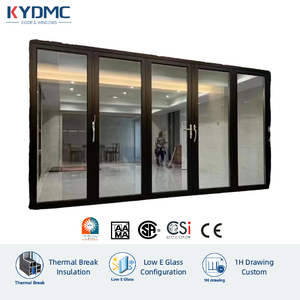
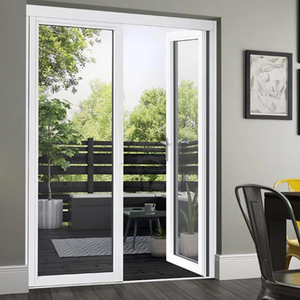
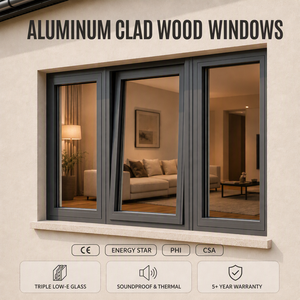
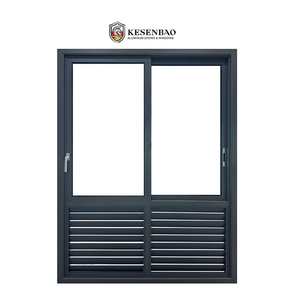
Architectural Anatomy: The Science of High-Performance Pivot Systems
In contemporary architectural design, the entrance door has evolved from a simple functional boundary into a profound statement of engineering and aesthetic prestige. Modern luxury villas, boutique commercial hubs, and waterfront estates frequently require grand, oversized openings exceeding three to four meters in height. Traditional butt hinges, bound by mechanical shear stresses and limited frame anchoring, are ill-suited for monumental leaf weights exceeding 300 to 800 kilograms. As a premier China aluminium pivot entrance doors manufacturer, Guangdong Dejiyoupin Doors and Windows Co., Ltd. (DERCHI) leverages advanced metallurgical extrusion techniques and heavy-duty concealed hydraulic pivot geometry to push structural possibilities to new heights.
The mechanical core of an exterior pivot door relies on top-and-bottom bearing assemblies that redistribute gravitational and cyclical torsional loads directly into the building's reinforced floor slab and structural lintel. By shifting the pivot axis inward—typically 150mm to 300mm from the jamb—the rotational lever arm dynamically balances wind pressure and inertia. DERCHI pivot systems integrate high-strength aerospace-grade 6063-T6 and 6061-T6 aluminum alloys, precision-milled multi-chambered thermal breaks with polyamide PA66 GF25 insulation, and multi-point perimeter drop-down magnetic compression seals to achieve uncompromised thermal, acoustic, and meteorological resistance.
Concealed Heavy Pivot Axes
Precision German and proprietary hydraulic mechanisms engineered to carry up to 1,000kg leaves effortlessly. Features micro-adjustable 3D positioning, soft-close damping, and 90-degree hold-open functionality.
Thermal Break Geometry
Multi-cavity extrusion profiles coupled with 25% glass-fiber reinforced polyamide (PA66 GF25) thermal barriers eliminate thermal bridging, meeting stringent European and North American U-value codes.
Windload & Cyclone Integrity
Rigorously certified to Australian AS 2047 N6 standards and US Hurricane testing, resisting positive/negative wind pressures exceeding 4,500 Pa with active multi-point perimeter latching.
Fluorocarbon PVDF Coatings
Finished with AkzoNobel or PPG certified PVDF fluorocarbon coatings and 25-micron architectural anodization, providing superior defense against tropical salt spray, intense UV exposure, and acid rain.
Comparative Analysis: Heavy Pivot Systems vs. Traditional Swing Assemblies
Selecting the appropriate entry system requires rigorous structural trade-off evaluations. Below is an engineering comparison demonstrating why DERCHI oversized thermal-break pivot doors represent the premium baseline for high-traffic, luxury architectural facades:
| Performance Metrics | DERCHI Heavy Aluminum Pivot | Standard Aluminum Hinged Door | Solid Timber Exterior Door | Commercial Hollow Metal Door |
|---|---|---|---|---|
| Maximum Clear Opening Size | Up to 3,000mm (W) × 6,000mm (H) | Max 1,200mm (W) × 2,400mm (H) | Max 1,100mm (W) × 2,300mm (H) | Max 1,220mm (W) × 2,700mm (H) |
| Load Capacity & Weight Distribution | Up to 1,000 kg (Distributed to Floor Base) | Max 120-180 kg (High Stress on Jamb) | Max 150 kg (Prone to Structural Sag) | Max 250 kg (Heavy Hinge Wear) |
| Air Permeability & Infiltration | Class 4 (EN 12207) / Automatic Drop Seals | Class 3 (Continuous Compression) | Class 1-2 (Perimeter Gaps due to Warping) | Class 2 (Standard Sweep Seals) |
| Water Penetration Resistance | 700 Pa (AS 2047 / ASTM E331 Compliant) | 450 Pa (Weep Hole Drainage Dependent) | < 250 Pa (Vulnerable to Absorption) | 300 Pa (Standard Threshold Latch) |
| Thermal Transmittance (U-Value) | 1.1 – 1.6 W/m²·K (Triple Low-E + PA66) | 1.8 – 2.5 W/m²·K (Standard Break) | 2.2 – 3.0 W/m²·K (Natural Wood Thermal) | 3.2 – 4.5 W/m²·K (Non-Thermal Core) |
| Tropical Environmental Tolerance | Impervious to swell, rot, termite, salinity | Resistant; hardware subject to shear | Severe swelling, warping, surface decay | Prone to internal rust in salt air zones |
Next-Generation Global Procurement Trends: 2025–2030 Architecture
International facade engineering is undergoing a transformative paradigm shift. For project managers, general contractors, and sourcing directors handling luxury developments across North America, Australia, Europe, and Southeast Asia, procuring architectural pivot doors requires an understanding of emerging technical trajectories. The convergence of building automation, environmental compliance, and structural minimalism defines four pivotal procurement trends:
1. Grand Monumental Geometries & Coplanar Facades
Architects are eliminating visible transoms and header panels in favor of seamless floor-to-ceiling single leaves reaching heights of up to six meters. This requires structural extrusion profiles featuring zero perceptible deflection under dynamic cyclic loads. Sourcing demands comprehensive finite-element analysis (FEA) reports verifying that door leaves maintain torsional stability under gust pressures up to 5,000 Pa.
2. Integrated Smart Access & Motorized Multi-Point Latching
Traditional mechanical lock cylinders are increasingly superseded by concealed mechatronic locking systems. Modern pivot door procurement mandates integrated 3D facial recognition, biometric finger-vein authentication, and BACnet/KNX protocol integration. Concurrently, motorized five-to-seven-point perimeter security locking bars ensure instantaneous compression against environmental gaskets upon closure.
3. Decarbonized Metallurgy & Circular LCA Standards
With European CBAM regulations and LEED Platinum requirements dominating institutional specifications, global procurement teams demand low-carbon aluminum billets produced via hydroelectric smelting. Sourcing specifications now dictate Environmental Product Declarations (EPDs), ISO 14040 Life Cycle Assessments (LCA), and a minimum of 40% closed-loop recycled aluminum content without compromising mechanical yield strength.
Enterprise Manufacturing Capabilities: The Foshan Industrial Fortress
Based in the heart of China's aluminum industrial capital in Shishan Town, Nanhai District, Foshan, Guangdong Dejiyoupin Doors and Windows Co., Ltd. (DERCHI) operates one of the world's most sophisticated door and window manufacturing complexes. Over our 25+ years of dedicated engineering evolution, we have transitioned from traditional artisanal fabrication to a fully digitized Industry 4.0 production ecosystem.
Industrial Capacity & Technology
- 180,000 ㎡ Intelligent Campus: Houses heavy CNC 5-axis extrusion machining centers, automated thermal barrier crimping, and computerized double-head miter saws.
- 600+ Skilled Specialists: Dedicated R&D engineering divisions, BIM modeling technicians, precision quality control inspectors, and multilingual technical sales directors.
- Laser-Precision CNC Machining: Pivot hinge recesses and mechatronic lock mortises are routed within ±0.1mm tolerances, ensuring flawless on-site fitment.
- In-House Test Laboratories: Structural wind load, hydrostatic chamber water-resistance, and 100,000-cycle mechanical fatigue testing conducted on site prior to export.
Global Compliance & Track Record
- 100+ Patents & Certifications: Accredited with ISO 9001, European CE, Australian AS 2047 N6 cyclone standard, and UL 10C positive-pressure fire ratings.
- Top 10 China Window & Door Brand: Recognized nationally and internationally for exceptional build consistency and architectural-grade anodizing finishes.
- Global Exhibition Acclaim: Highly acclaimed at prestigious global architecture summits including Philippines WORLDBEX 2025, with proven references across North America and Southeast Asia.
- Full Architectural BIM/CAD Support: Turnkey delivery of detailed 2D/3D shop drawings, thermal simulation reports, and structural anchorage calculations.
The 5-Stage B2B Supply Chain & Architectural Fulfillment Framework
Procuring bespoke, monumental entrance systems from China requires an airtight logistics, engineering, and quality assurance framework. DERCHI eliminates the coordination challenges of international procurement through an end-to-end procedural workflow designed for international trade compliance:
Architectural Audit
Analysis of rough opening dimensions, wind-load zones, floor slab recess depths, and CAD/BIM schedules to confirm hardware and thermal specifications.
Shop Drawing Sign-Off
Generation of comprehensive engineering shop drawings detailing structural anchor points, thermal break locations, pivot axis offsets, and threshold drainage paths.
Precision CNC Build
Extrusion cutting, automated corner-crimping with structural epoxy, multi-point hardware integration, and customized surface finishing in controlled workshops.
Factory Pre-Assembly
100% factory trial assembly of the pivot door within its exact frame. Complete operational clearance testing, drop-seal verification, and live HD video sign-off.
Seaworthy Export Logistics
Packaging in fumigated steel-reinforced wooden crates with moisture-absorbent desiccant, impact indicators, and direct containerized freight to client seaports.
Architectural Procurement FAQ: Critical Engineering Questions Answered
Navigating the structural nuances of heavy aluminum pivot doors demands transparent technical clarity. Here are the top questions asked by international project teams, developers, and facade contractors:
Q1: How does DERCHI ensure perimeter air and water tightness on oversized pivot doors?
Unlike traditional hinged doors with continuous overlapping rebated jambs, pivot doors rotate through an internal axis, leaving top and bottom gaps. We address this using heavy-duty concealed drop-down automatic sweep gaskets triggered pneumatically upon frame contact, paired with dual-line EPDM rubber perimeter compression seals and bottom drainage sub-sills with integrated weep valves tested to 700 Pa water tightness.
Q2: Can DERCHI pivot systems resist severe typhoons and coastal tropical storms?
Yes. Our heavy-duty architectural systems have been tested and certified under the stringent Australian AS 2047 N6 standard, which covers extreme cyclonic wind pressures and cyclical structural deflections. By deploying 3.0mm thick high-tensile 6063-T6 aluminum extrusion walls and multi-point perimeter hook deadbolts, our assemblies withstand over 4,500 Pa of wind pressure without dynamic air infiltration failures.
Q3: What floor slab preparation is necessary for installing the hydraulic pivot box?
For flush architectural transitions, our heavy-duty hydraulic floor springs require a recessed slab cutout typically measuring 60mm to 95mm in depth, depending on the chosen weight capacity (300kg vs 800kg). We provide exact localized CAD concrete pocket excavation drawings prior to pouring. Alternatively, we manufacture overhead-concealed closer variants requiring zero floor trenching for retrofit projects.
Q4: How do you prevent structural bimetallic warping on sun-exposed dark finishes?
Large exterior pivot doors facing intense solar radiation can experience dramatic temperature differentials between the exterior surface (up to 75°C) and air-conditioned interiors (22°C). DERCHI utilizes specialized anti-bi-metal polyamide insulating bars with sliding composite flanges. This allows differential thermal expansion between exterior and interior profile skins without distorting or jamming the lock alignment.
Q5: What glass configurations are incorporated for thermal and acoustic isolation?
Our glazed pivot doors feature insulated glass units (IGU) ranging from double-glazed (6mm Low-E + 16Ar + 6mm Tempered) up to triple-glazed structural laminated assemblies (8mm Low-E + 12Ar + 6mm + 1.52PVB + 6mm). This achieves high-grade Sound Transmission Class (STC) ratings exceeding 42 dB and low solar heat gain coefficients (SHGC < 0.28) tailored for extreme solar radiation zones.
Q6: What is the standard manufacturing lead time and seaworthy packaging protocol?
Custom CAD shop drawing approval typically requires 3 to 5 business days. Mass fabrication spans 25 to 35 calendar days depending on custom anodizing or PVDF finish requirements. For transport, every door panel is wrapped in protective PE film, corner-guarded with high-density EPE foam, and encased within heavy-gauge fumigated plywood crates equipped with tip-and-shock sensors for transit assurance.