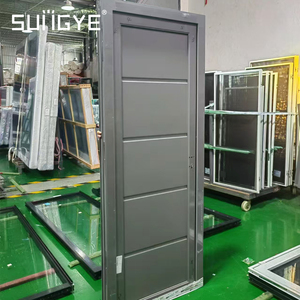
 Soundproof Core
SUNGYE Factory Direct Solid Aluminum Doors Simple Design Exterior Aluminum Door with High Strength Soundproof Honeycomb Panel
Aluminum Honeycomb Core
STC ≥ 42 dB
Weatherproof
Precision-manufactured utilizing 6063-T5 virgin aluminum billets, structural PA66-GF25 thermal insulation barriers, tempered insulated glass units (IGU), and multi-point European locking assemblies. Inspect our core product lines built to pass global engineering audits.
Soundproof Core
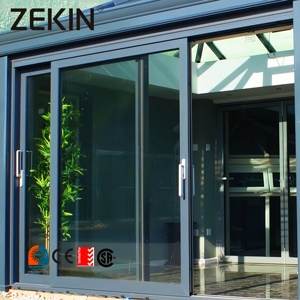 AS2047 / NFRC
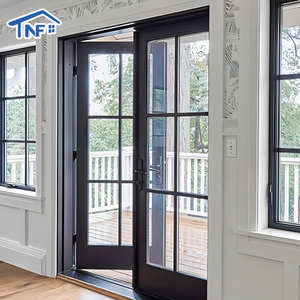 15-Yr Warranty
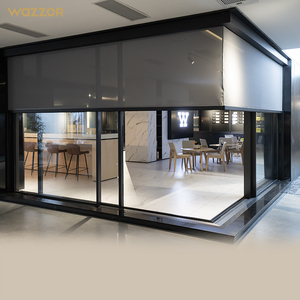 Slim Sightline
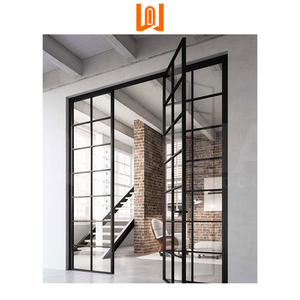 Architectural Grid
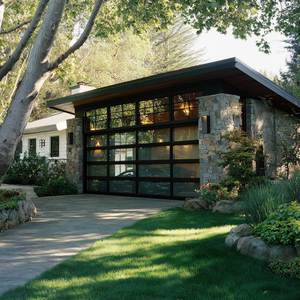 Thermal Shutter
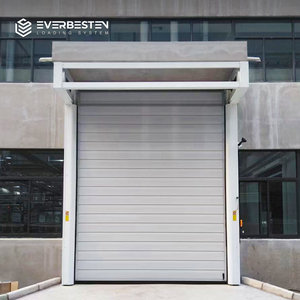 High-Speed Industrial
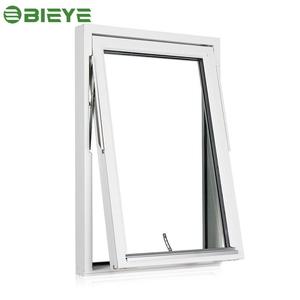 Villa Security Set
When evaluating a China aluminum glazed windows factory, international specification teams require granular mechanical and thermodynamic disclosures. DERCHI systems comply with strict AS 2047, ASTM, and EN harmonized standards.
| Performance Indicator | Commercial Grade Specification | High-End Architectural Benchmark | Test & Compliance Protocols |
|---|---|---|---|
| Thermal Transmittance (U-Value) | 1.8 – 2.2 W/(m²·K) (Double Glazed) | 0.8 – 1.2 W/(m²·K) (Triple Low-E + Argon) | NFRC 100/200, ISO 10077-1, EN 673 |
| Structural Wind Load (Pressure) | Serviceability: 2500 Pa / Ultimate: 4500 Pa | N6 Cyclonic Rating (> 5000 Pa Ultimate) | AS 2047-2014, ASTM E330, EN 12210 |
| Air Infiltration & Tightness | Level 4 (≤ 1.5 m³/(h·m²)) | Level 8 / High Positive Pressure Sealing | ASTM E283, AS 4420.4, EN 12207 |
| Water Penetration Resistance | 450 Pa Static Water Head | 700 – 900 Pa Cyclonic Resistance | ASTM E331, AS 4420.5, EN 12208 |
| Acoustic Attenuation (STC / Rw) | STC 34 – 38 dB | STC 44 – 48 dB (Acoustic PVB Laminate) | ASTM E90, ISO 717-1, ASTM E413 |
| Extrusion Alloy & Temper | Alloy 6063-T5 (Wall: 1.4 – 1.8 mm) | Alloy 6063-T6 / 6060 (Wall: 2.0 – 3.2 mm) | GB/T 5237, ASTM B221, EN 755 |
| Surface Treatment Integrity | Powder Coating (Qualicoat Class 1) | Fluorocarbon PVDF (≥ 40μm, AAMA 2605) | AAMA 2604/2605, Qualanod 25μm |
International developers, general contractors, and facade consultants are adjusting their global procurement strategies in response to heightened carbon compliance, high-frequency extreme weather, and industrialized building schedules.
Global architectural mandates like the EU Carbon Border Adjustment Mechanism (CBAM) and LEED v4.1 certification are transforming profile selection. Leading China factories are transitioning to recycled low-carbon aluminum billets processed via hydroelectric smelters, reducing carbon footprints from 16 kg CO₂/kg Al down to below 4 kg CO₂/kg Al while pairing them with bio-based polyamide thermal strips.
Modern architectural language demands frameless aesthetic experiences. The manufacturing focus has shifted to concealed sashes, invisible drainage sub-sills, and motorized panoramic sliding profiles where vertical interlocking mullions measure under 20mm. Maintaining cyclonic wind resistance with such slender sightlines requires internal titanium-magnesium alloy reinforcing cores.
To reduce escalating on-site labor overheads in target markets such as Australia, North America, and Southeast Asia, procurement contracts now prioritize standardized subframe installation methods. Factory-glazed assemblies with factory-integrated flashing, damp-proof membranes, and pre-adjusted European hardware arrive on-site ready for dry-envelope installation, speeding construction by 40%.
The integration of hybrid VIG configurations into aluminum systems yields center-of-glass U-values as low as 0.45 W/(m²·K) within a profile thickness of only 8.3mm, outperforming cumbersome triple-pane units in historic renovations and zero-energy skyscrapers.
Replacing traditional hollow aluminum spacer bars with structural composite warm-edge spacers (TPS/swisspacer) combined with aerogel-injected profile cavities mitigates edge condensation in tropical and arctic climates alike.
Concealed micro-electric chain actuators wired into KNX, BACnet, or smart-home ecosystems allow autonomous indoor air volume purge, smoke evacuation venting, and rain-sensor triggered weather sealing without compromising perimeter security.
Structural lamination utilizing SentryGlas (SGP) interlayers coupled with structural silicone bonding (SSG) withstands cyclical flying debris tests (ASTM E1886/E1996 Missiles D & E), assuring structural integrity during Category 5 typhoons.
As one of China's prestigious Top 10 fenestration enterprises, DERCHI operates an intelligent 180,000 square-meter production facility in Foshan, the heart of China’s advanced aluminum extrusion industry. Over 25 years of specialized engineering rigor have positioned us as the primary partner for architects, contractors, and building material distributors across North America, Australia, the Middle East, and Southeast Asia.
Following our recognized engineering display at WORLDBEX 2025 in the Philippines, our heavy-duty aluminum glazed systems, cyclonic patio sliders, soundproof honeycomb doors, and architectural curtain walls continue to lead project handovers globally. Our manufacturing workflow adheres to ISO 9001 total quality control, with full vertical integration from profile extrusion and CNC precision machining to automated dual-seal glass lamination and pre-shipment mockups.

Strategic guidance addressing quality verification, international building code compliance, shipping safety, and technical coordination for commercial and residential procurement directors.
Authentic Tier-1 suppliers provide test reports from internationally accredited laboratories (such as Azuma Design Australia, Intertek, or TÜV Rheinland) with verified project certificate numbers. At DERCHI, our fenestration profiles are engineered and verified to AS 2047 (reaching up to the maximum N6 rating), ASTM E330, and EN 14351-1. We supply full testing credentials, structural calculations, and glass thermal certificates alongside preliminary shop drawings.
Always specify architectural-grade 6063-T5 or 6063-T6 virgin aluminum alloy billets with a minimum wall thickness of 1.4mm to 2.0mm for windows, and 2.0mm to 3.2mm for heavy-duty doors. Avoid low-cost factories using recycled scrap billets with high iron contents, which cause internal brittleness and rapid galvanic corrosion. For coastal developments, demand AAMA 2605-compliant fluorocarbon PVDF finishes or Qualicoat Seaside-class architectural powder coating capable of withstanding 3,000+ hours of neutral salt spray.
Factory export crating must eliminate handling transit damage. DERCHI packs windows in custom ISPM-15 heat-treated fumigated plywood crates with protective corner guards, high-density polyethylene edge cushions, desiccants, and vacuum shrink film wrap. Glazed frames are secured using steel strapping with rubber dampers inside containers, maintaining zero glass breakages across thousands of containerized shipments to the Americas, Australia, and ASEAN.
Yes. Our in-house engineering team comprises over 30 facade designers who generate shop drawings in CAD (DWG/DXF), 3D Revit BIM models, and structural calculation books covering local wind load, deflection criteria (L/175 or L/250), and thermal simulations. We collaborate directly with your architect and structural engineering team before raw material extrusion commences.
Substandard hardware is the number one cause of long-term sash dropping and weather seal failure. We engineer our casement, awning, tilt-and-turn, and lift-and-slide assemblies with genuine European hardware leaders—including Siegenia, Roto Frank, Hoppe, Sobinco, or top-tier Kin Long systems. All friction hinges and multi-point transmission gear rods are rated for over 50,000 to 100,000 smooth operating cycles.
Our standard manufacturing lead time ranges from 25 to 35 business days following CAD shop drawing sign-off and color sample approval. Because we operate flexible high-capacity automated lines across 180,000 m², our MOQ accommodates both custom luxury residential estates (down to single villa packages ≥ 30 m²) as well as volume masterplan developments requiring 50,000+ m² supplied in scheduled container shipments.
Submit your architectural drawings, window schedules, or structural engineering specifications. Our senior fenestration engineers will provide an itemized engineering quote and preliminary CAD shop drawings within 24 hours.