Bridging Organic Warmth with High-Performance Structural Metrology
Aluminium timber composite windows represent the apex of architectural building envelopes, uniting exterior structural weathering resilience with interior biophilic luxury. As an internationally certified fenestration leader operating from our 180,000 m² smart manufacturing base in Foshan, China, DERCHI (Guangdong Dejiyoupin Doors and Windows Co., Ltd.) engineers custom, high-integrity hybrid composite systems meeting strict thermal, acoustic, and hurricane-load building codes across North America, Europe, Australia, and Southeast Asia.
Featured Architectural Door & Window Systems
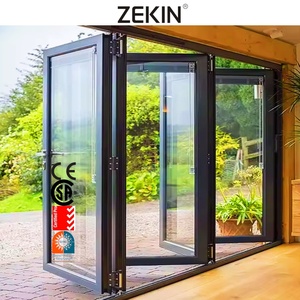
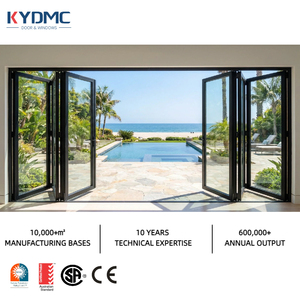
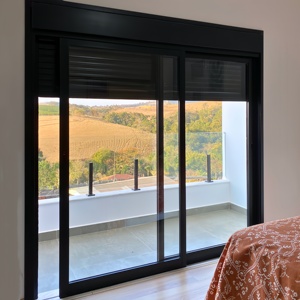
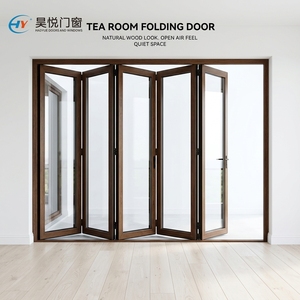
Factory-direct systems engineered with precision thermal breaks, heavy-duty architectural alloy frames, and certified multi-cavity glazing configurations.
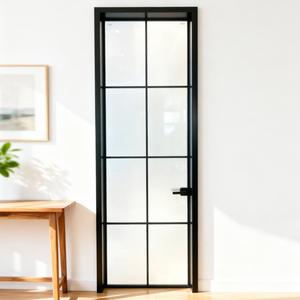
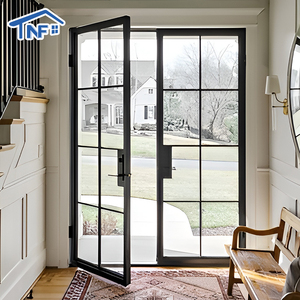
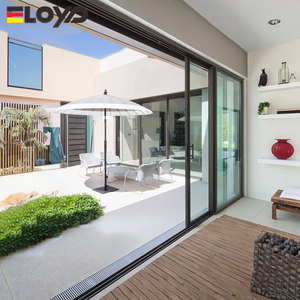
Anatomy of Engineered Aluminium-Timber Composite Fenestration
Aluminium-clad timber windows are not merely standard wooden frames with decorative metal trim. They are sophisticated, high-tolerance hybrid structural systems engineered to address differing thermodynamic expansion characteristics through floating clip couplers and continuous thermal insulation.
Exterior Extrusion Architecture
Precision architectural-grade 6063-T6 aluminum alloy extrusions (minimum wall thickness 1.8mm to 2.2mm) shield the window envelope against severe atmospheric degradation. Finished with 70% fluorocarbon (PVDF) Kynar 500 resin or architectural anodization exceeding AAMA 2605 specifications, the outer shell guarantees 30+ years of zero fading, UV embrittlement, or saline corrosion in coastal marine climates.
- Alloy Temper: 6063-T6 high tensile strength
- AAMA 2605 / Qualicoat Class 2 certified
- Pressure-equalized drainage weeping channels
Differential Expansion Coupling
Aluminum and wood possess radically different linear thermal expansion coefficients (Aluminum expands at approx. 23×10⁻⁶/K; Timber expands longitudinally at only 3 to 5×10⁻⁶/K). DERCHI uses German-patented polyamide (PA66 GF25) floating mechanical clip connectors that preserve a calibrated 5mm air buffer, permitting frictionless micro-movement without structural oil-canning, joint splitting, or air barrier compromise.
- Polyamide clips absorb continuous thermal shear
- Back-ventilated dry cavity eliminates moisture rot
- Zero direct metal-to-timber thermal bridging
Sustainably Certified Interior Timber
Interior structural cores use select, multi-layer finger-jointed laminated timbers (FSC/PEFC-certified European White Oak, Siberian Larch, Black Walnut, or Teak). Lamination neutralizes internal timber tensions, achieving unmatched dimensional stability. Sealed with German environmental bio-based waterborne micro-porous coatings (Rhenocoll / Remmers), the timber breathes naturally while resisting fungal staining and indoor vapor condensation.
- Kiln-dried moisture control: 8%–12% equilibrium
- 3-layer radially sliced laminated timber
- VOC-free, health-compliant eco-finishes
| Performance Indicator | Aluminium Timber Composite (DERCHI) | Thermally Broken Aluminium | Standard Solid Wood | uPVC / Vinyl Systems |
|---|---|---|---|---|
| Whole-Window U-Factor (Uw) | 0.78 – 1.10 W/m²K (Passivhaus) | 1.40 – 1.90 W/m²K | 1.20 – 1.60 W/m²K | 1.30 – 1.80 W/m²K |
| Structural Durability & Weathering | 50+ Years (Zero exterior rot) | 40+ Years (Corrosion risk at joints) | 15–20 Years (Requires re-coating) | 15–25 Years (UV embrittlement) |
| Acoustic Attenuation (Rw / STC) | 42 – 48 dB (Mass dampening) | 34 – 38 dB | 36 – 40 dB | 30 – 35 dB |
| Condensation Resistance (CRF) | > 78 (Virtually zero sweating) | 58 – 68 | 65 – 72 | 55 – 64 |
| Embodied Carbon & Biophilic Value | High Negative Embodied Core | High Carbon Intensity | Renewable / High Maintenance | Petrochemical / Low Recyclability |
Future Procurement Trends in Architectural Fenestration
Navigating environmental regulatory shifts, net-zero carbon mandates, and technical envelope specifications for commercial developers and luxury residential contractors.
1. Mandated Environmental Product Declarations (EPD)
Global procurement offices in the EU, North America, and Australasia now demand third-party verified Type III Environmental Product Declarations (EPDs). Project tenders under LEED v4.1, BREEAM Outstanding, and DGNB award preferential credits to composite fenestration whose timber core serves as an active carbon sink. By combining post-consumer circular aluminium billets with FSC-certified timber, DERCHI provides auditable Life Cycle Assessment (LCA) documentation, simplifying compliance audits for Tier-1 general contractors.
2. Ultra-Tight Passivhaus Envelope Standards
With progressive energy codes such as California Title 24, European EN 10077, and ASHRAE 90.1 lowering allowable whole-window U-factors, aluminium-timber systems are outcompeting thermal-break aluminum in luxury multi-family and institutional projects. Forward-looking procurement strategies prioritize composite frames fitted with vacuum-insulated glass (VIG) or warm-edge triple-glazing with Krypton gas fills, delivering thermal conductivity values below 0.8 W/m²K without compromising sash sizes.
3. Offsite Prefabrication & Unitized Sub-Frame Assemblies
Severe on-site labor shortages in target Western markets have accelerated demand for factory-assembled, unitized composite fenestration. Procurement directors are standardizing window schedules around factory-integrated perimeter waterproofing membranes, extruded sub-sill flashing profiles, and pre-machined receptor clips. This factory-controlled manufacturing model slashes job-site installation hours by over 60% while mitigating water infiltration liabilities caused by improper envelope flashing.
4. Dynamic Glazing & Smart Home Building Management (BMS)
Composite windows are increasingly specified with embedded concealed multi-point smart actuators, acoustic trickle ventilation cassettes, and integrated low-voltage electrochromic (EC) or photovoltaic solar glass. Concealed within the timber rebate, magnetic reed switches communicate directly with building automation protocols (KNX, BACnet, Zigbee), enabling micro-climate zonal optimization and perimeter intrusion detection without visible wiring conduits.
Guangdong Dejiyoupin (DERCHI) Industrial Ecosystem
Ranked among the Top 10 fenestration manufacturers in China, DERCHI brings over 25 years of specialized R&D, robotic fabrication, and global export engineering to high-profile commercial and residential architectural projects.

DERCHI Industrial Mega-Base · Foshan, Guangdong
180,000 m² advanced fenestration manufacturing infrastructure equipped with German CNC machining centers, automated timber finishing lines, and dedicated façade test laboratories.
Rigorous International Testing
Every composite system is verified through full-scale test chambers for cyclic air permeability (ASTM E283), dynamic water penetration (ASTM E331 at 720 Pa), and extreme cyclic wind load resistance (AS 2047 N6 rating & ASTM E330). Compliant with CE EN 14351-1, NFRC thermal standards, and UL fire ratings.
Precision German CNC Milling
Utilizing industrial Homag and Elumatec 5-axis CNC machining centers, our timber-aluminum profiles maintain structural tolerances within ±0.2mm. Every mortise, tenon, and mechanical clip rebate is precision-cut prior to vacuum-impregnated preservative treatments, eliminating unfinished exposed timber edges.
Export Crating & Global Logistics
To safeguard high-finish timber surfaces during international ocean transit, windows are vacuum-shrink wrapped, protected with custom high-density EPE corner cushions, and packed into IPPC-certified fumigated structural plywood crates with integrated desiccants to prevent maritime humidity absorption.
Aluminium Timber Composite Windows: Procurement FAQ
Detailed answers addressing engineering parameters, architectural specifications, testing protocols, and international supply chain logistics.
Engineered for Architectural Distinction. Built for Generations.
Whether you require custom Passivhaus-certified composite windows for a private estate, or unitized hurricane-rated systems for a landmark resort development, partner with a verified Top-10 manufacturer. Connect directly with our Foshan fenestration engineering desk for complete technical specifications, CAD details, and factory-direct project proposals.