Top Trusted Aluminum Alloy Windows Manufacturer & Exporter
Engineered Fenestration Systems, Precision Thermal Break Technology, and High-Performance Architectural Glazing for Global Commercial, Residential, and Coastal Developments.
Industry Whitepaper & Technical Guide
Architectural Engineering Excellence in High-Performance Fenestration
In contemporary architectural design and building physics, fenestration assemblies represent the most critical interface between indoor environmental quality and external climate stressors. As global building codes undergo generational revisions—mandating ultra-low U-values, stringent solar heat gain coefficients (SHGC), and resilient structural air-water-structural ratings—procurement teams face complex technical hurdles. As an elite Chinese fenestration enterprise operating a 180,000 m² state-of-the-art production base, we provide institutional-grade engineering, primary billet extrusion with virgin 6063-T5/T6 alloy, and fully compliant export solutions across North America, Australasia, Europe, and Southeast Asia.
Specification Showcase
Featured Aluminum Alloy Window Systems
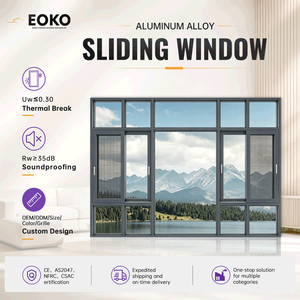
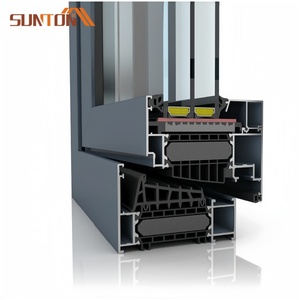
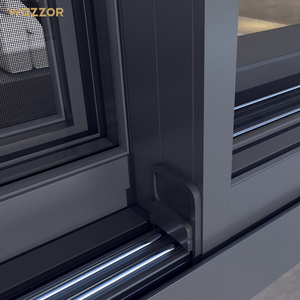
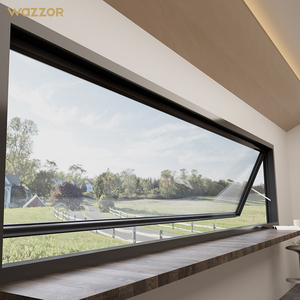
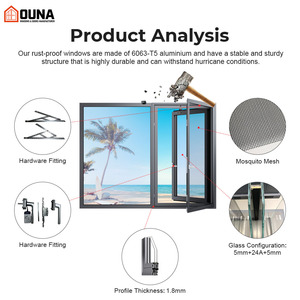
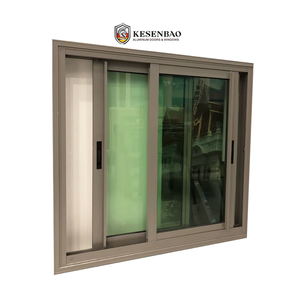
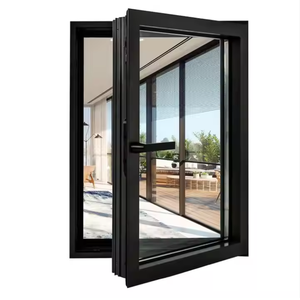
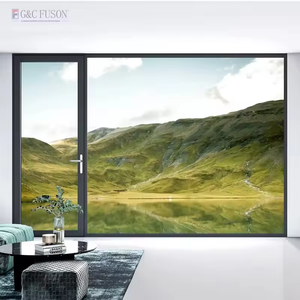
Rigorous engineering meets bespoke craftsmanship. Review our 8 flagship engineered systems featuring full thermal-break profiles, low-emissivity multi-pane glazing, and heavy-duty European multi-point locking systems.
Unlike regional fabricators relying on generic extrusions, our assemblies undergo finite element thermal modeling (THERM/WINDOW) and third-party laboratory verification to satisfy international compliance codes:
Performance Characteristic
Test Standard / Protocol
Our Engineered Parameter
Architectural Impact
Structural Wind Load Resistance
AS 2047 / ASTM E330 / EN 12211
Serviceability: 3500 Pa | Ultimate: > 5000 Pa (N6 Class)
Withstands typhoon Category 5 pressures; prevents frame deflection and seal rupture on high-rise towers.
Water Penetration Resistance
AAMA 501.1 / AS 4420.5 / EN 12208
Up to 750 Pa (Static & Dynamic Cycle)
Multi-tiered pressure-equalized weep drainage eliminates water ingress during monsoon driving rains.
Ensures true hermetic envelope sealing, enabling net-zero carbon operations and LEED point certification.
Surface Finish Resilience
AAMA 2604 / AAMA 2605 / Qualicoat Class 3
10,000 Hours Salt Spray Resistance
Resists UV degradation, chalking, color fading, and hyper-saline coastal atmospheric corrosion.
Strategic Procurement Analysis
Future B2B Procurement Trends in Commercial Fenestration
Global supply chain restructuring, carbon transparency mandates, and digitized construction ecosystems are redefining how developers, general contractors, and facade consultants specify and purchase fenestration products.
1. Embodied Carbon & Low-Carbon Aluminum
By 2026, leading construction markets in Europe, Australia, and North America will require validated Environmental Product Declarations (EPDs). Enterprise buyers are shifting procurement towards manufacturers utilizing hydropower-smelted primary billets and recycled post-consumer scrap (>30%), directly lowering Scope 3 capital goods emissions.
2. Digital Twin & BIM Level 3 Integration
Traditional static submittals are being superseded by parametric BIM families. Forward-thinking procurement models require manufacturers to provide LOD 350-400 models containing dynamic thermal data, hardware clash detection parameters, and automated manufacturing schedules directly linked to project ERPs.
3. Pre-Fabricated Unitized Assemblies
With on-site construction labor costs escalating globally (rising over 28% in major metropolitan hubs), contractors favor fully unitized, factory-glazed, factory-tested window wall solutions. Offsite assembly ensures factory-controlled seal integrity, reduced punch lists, and crane-hoisted, rapid envelope closure.
4. Direct Factory Sourcing & De-Risking
Eliminating intermediate trading houses in favor of OEM/ODM direct relationships provides transparency into raw material provenance, reduces procurement markup by 18-35%, and allows direct engineering alignment between the site structural engineer and the manufacturing tooling team.
5. Accelerated Lead Times & Phased Logistics
Procurement teams demand robust production scheduling with barcoded traceability. Palletized container loading by floor level and elevation simplifies on-site staging and allows staged shipping from South China ports directly synced to general contractor pour cycles.
Innovation Horizon
Technological Innovations Shaping Modern Windows
High-performance aluminum fenestration is transitioning from passive building envelope barriers to responsive, intelligent, and hyper-insulated building components.
Electrochromic & Dynamic Solar Control
Integration of smart electrochromic (EC) glass that dynamically modulates tint in response to exterior lux levels and BMS solar signals, maintaining optimal daylighting while reducing peak solar heat gain coefficient (SHGC) down to 0.09 without mechanical blinds.
Vacuum Insulated Glazing (VIG) Systems
Combining hybrid tempered VIG panes with multi-cavity thermal break extrusions enables central glass U-values as low as 0.40 W/m²K (R-14 equivalent) in an ultra-slim 8.3mm profile, unlocking Passivhaus standards without bulky triple-glazing deadweight.
Concealed Multi-Point Mechatronic Locking
Hidden European perimeter locking hardware engineered with concealed magnetic sensors and motorized actuator drives. Provides certified European RC2/RC3 burglar resistance alongside seamless smart home touch, biometric, or automated remote locking.
Bio-Polymer Thermal Insulation Barriers
Shifting from traditional low-density polymers to high-rigidity PA66 GF25 engineered with structural recycled glass fibers and internal aerogel insulation cavities, significantly raising structural shear resistance and framing thermal efficacy.
Manufacturing Might
Why Global Architects & Developers Partner With Us
Headquartered in the premier manufacturing hub of Foshan, Guangdong, Guangdong Dejiyoupin Doors and Windows Co., Ltd. (DERCHI) has represented Chinese precision engineering on the global stage for over 25 years. Recognized among the Top 10 premium architectural door and window manufacturers, our integrated facility guarantees end-to-end quality sovereignty.
180,000 m² Production Infrastructure: Equipped with automated precision CNC machining centers, robotic corner-crimping cells, and automated vertical insulated glass production lines.
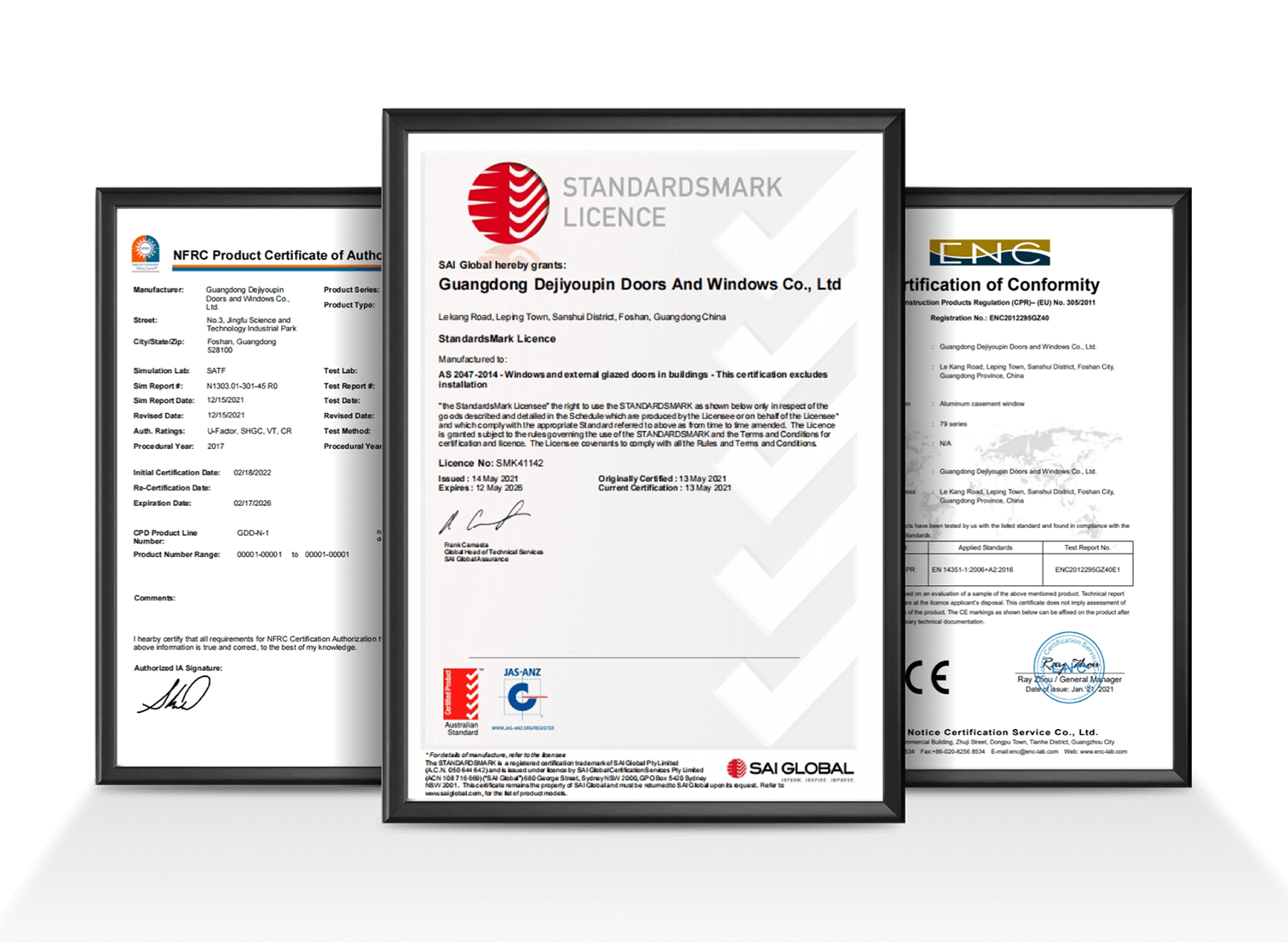
Exhaustive International Certifications: Fully audited compliance with AS 2047 (N6 Cyclone Tested), NFRC, Florida Miami-Dade NOA, CE, ISO 9001, and UL fire standards.
In-House R&D & Free CAD/BIM Detailing: 600+ personnel with a dedicated senior facade engineering team preparing custom shop drawings, wind load calculations, and structural finite element analysis.
Proven Global Delivery Record: High-profile track record across North America, Australia, the Middle East, and Southeast Asia (featured at WORLDBEX Philippines).
Authoritative answers to the most common inquiries raised by developers, commercial general contractors, and overseas importers.
Q: How do your aluminum window systems comply with Australian AS 2047 & AS 1288 codes?
Our fenestration assemblies undergo complete physical destructive testing in accredited NATA-equivalent laboratories. We achieve the ultimate cyclonic class N6 (exceeding 3500 Pa serviceability, 5000 Pa ultimate wind pressure, and 750 Pa water penetration resistance). Compliance certification documents and test reports are supplied alongside delivery manifests.
Q: What is the advantage of PA66 GF25 polyamide thermal break over poured-and-debridged polyurethane?
Polyamide 6.6 with 25% reinforced glass fiber exhibits identical thermal expansion coefficients to virgin 6063 aluminum extrusions. This ensures zero structural delamination, warping, or shear fatigue under violent diurnal temperature oscillations (-30°C to +80°C), while poured polyurethane systems frequently suffer from creep and long-term shear degradation.
Q: How are overseas project shipments packaged to eliminate damage during sea freight?
Windows are packed under our six-tier export protocol: surface protective poly-film, corner edge shock protectors, heavy-duty bubble wrap, desiccated wrapping, and fully enclosed fumigated IPPC-stamped marine plywood crates. Crates are loaded with anti-sway bracing inside open-top or dry ocean containers, tagged by building elevation.
Q: Can you fabricate bespoke structural profiles and architectural colors for custom projects?
Yes. We operate our own die-tooling workshop to extrude custom architectural profiles with custom wall thicknesses (1.4mm to 3.5mm). For finishes, we offer certified Qualicoat Class 2/3 powder coating, fluorocarbon PVDF (AAMA 2605 compliant for coastal salt exposure), and architectural anodization in custom RAL shades.
Q: What are your standard commercial manufacturing lead times and minimum order quantities?
For standard custom residential or commercial projects, our standard production cycle is 25 to 35 business days following final CAD shop drawing sign-off. As an industrial manufacturer, our typical minimum order is 50 square meters, but we frequently accommodate model home mockups and multi-phase container contracts.
Q: Do you provide installation guidance and third-party site verification support?
We supply bilingual comprehensive shop drawings, anchor placement calculations, 3D installation exploded views, and perimeter flashing/membrane installation guidelines. On commercial high-rise projects, we provide remote video engineering support or dispatch qualified site supervisors to coordinate with local glazing subcontractors.
Accelerate Your Project with Factory-Direct Engineering
Whether you require AS2047 cyclone-rated sliding systems for tropical coastal towers or NFRC-certified Passivhaus casements for cold-climate luxury residences, our Foshan engineering team delivers turnkey proposals, free CAD shop drawings, and competitive wholesale pricing within 24 hours.