AS2047 / NFRC
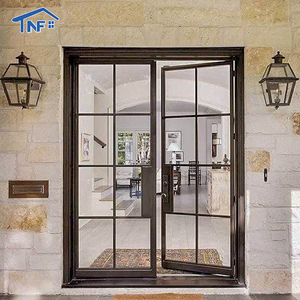
Precision-manufactured in Foshan using aviation-grade aluminum alloys, multi-chambered thermal barriers, and heavy-duty mechanical linkages engineered for worldwide commercial, villa, and industrial deployment.
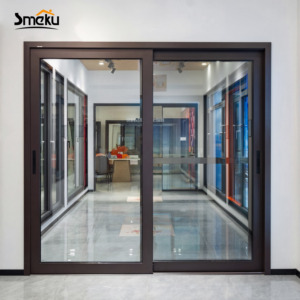
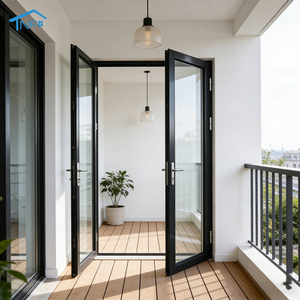
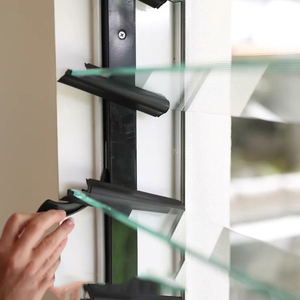
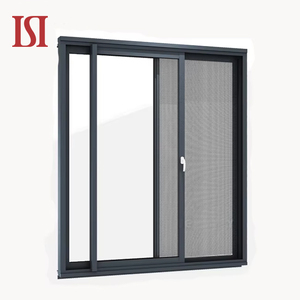
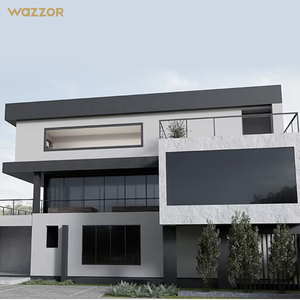
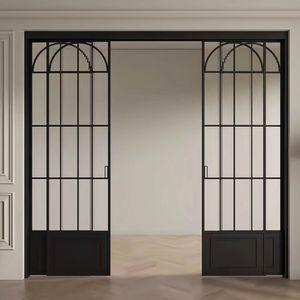
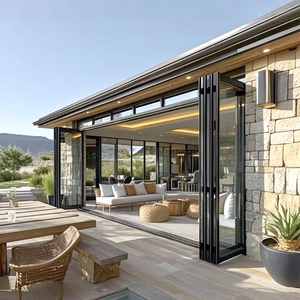
In architectural engineering, aluminum tambour doors (also designated as roll-up shutter systems, articulated interlocking slats, and spiral coiling closures) provide the primary mechanical envelope for commercial storefronts, utility shafts, luxury cabinetry, vehicle enclosures, and critical industrial compartments.
DERCHI tambour slats are precision-extruded utilizing structural 6063-T5 and 6061-T6 architectural grade aluminum alloys. By meticulously controlling magnesium and silicon ratios, our profiles achieve tensile yields exceeding 205 MPa. Unlike legacy PVC or thin-gauge stamped steel, our articulated extruded aluminum designs deliver unmatched torsional rigidity, resisting forced-entry crowbar attacks and maintaining dimensional integrity under sustained cyclic operation.
Engineered for typhoon-prone corridors throughout Southeast Asia and the Pacific rim, our articulated slat interlocks integrate continuous end-retention wind locks. When tested under Australian Standard AS 2047 N6 protocols, DERCHI fenestration and roller assemblies successfully withstand ultimate wind pressures surpassing 4500 Pa, effectively neutralizing air deflection and preventing track blow-outs in severe coastal microclimates.
Modern architectural tambour profiles have evolved past hollow, single-skin metal plates. Our advanced systems employ polyurethane (PU) core infills and dual-durometer EPDM polymer bottom seals. This creates a decisive acoustic break, dampening reverberation during motorized coiling and delivering an operative sound transmission loss rating (STC) of up to 34 dB, combined with substantial thermal barrier capabilities.
International contractors, MEP consultants, and hotel development directors are restructuring their procurement frameworks. Strategic analysis of cross-border tenders reveals four macro purchasing shifts.
Developers are moving away from piecemeal suppliers. Instead of purchasing entry doors, aluminum louvers, sliding systems, and tambour shutters from separate vendors, procurement teams favor single-source enterprise factories like DERCHI to optimize sea container pack-out ratios and reduce customs clearing friction.
With global green building standards like LEED v4.1 and BREEAM driving institutional specifications, suppliers offering circular aluminum casting, scrap reclamation workflows, and certified low-embodied carbon profiles are winning high-value tenders across North America, Europe, and developed Asian hubs.
Commercial tambour systems are no longer isolated manual shutters. Specification trends require seamless RS485 / dry-contact interface with Building Automation Systems (BAS), fire-trip alarm triggers, remote IoT position sensors, and obstacle auto-reverse optoelectronic safety curtains.
Fast-track EPC contracts demand supplier-generated shop drawings within 48 hours of schedule sign-off. Cross-border buyers insist on pre-cleared engineering verification and digital assembly twins prior to physical profile extrusion to prevent site installation delays.
Over the next decade, market share in premium architectural projects will be captured by designs that balance aesthetic refinement with high-performance industrial engineering.
Traditional rolling shutters require bulky overhead hoods that interrupt clean architectural sightlines. Next-generation tambour systems feature non-contact spiral guides where slats coil along an elliptical path without face-to-face friction. This eliminates surface scratching and reduces the required fascia headbox clearance by up to 40%.
Contemporary aluminum tambour doors bridge security with environmental control. Advanced CNC laser micro-perforated slats allow 18% to 28% natural ventilation and filtered daylight transmission while maintaining a certified anti-intrusion barrier. This prevents condensation buildup in utility enclosures and keeps garage interiors naturally conditioned.
To combat salt-spray degradation along coastal installations, tambour components undergo AAMA 2605 certified PVDF fluorocarbon coatings or Class I 25-micron hard-anodizing. This chemical surface treatment passes strict 3,000-hour neutral salt spray (ASTM B117) tests without blistering, pitting, or chalking.
Operating out of Shishan Town, Nanhai District, Foshan—the heart of China's premier aluminum manufacturing cluster—Guangdong Dejiyoupin Doors and Windows Co., Ltd. (DERCHI) combines high-volume industrial output with bespoke architectural craftsmanship.
With an extensive industrial manufacturing footprint and more than 600 full-time specialists, our daily operations integrate automated precision machining centers, automated powder-coating lines, and robotic testing stations. We maintain the scalable throughput to execute multi-tower residential developments and luxury villa estates concurrently without compromising scheduling precision.
Recognized as one of the elite Top 10 premium door and window brands in China, our R&D center holds over 30 design and invention patents. Our systems carry certified testing documentation spanning CE, ISO 9001, AS 2047, and UL fire-rated standards, simplifying municipal approval cycles for overseas developers and consultants.
From prestigious high-end homes in the United States and Canada to major commercial installations across the Philippines, Vietnam, Thailand, Malaysia, and the Middle East, our technical teams design fenestration specifically configured for extreme tropical conditions. Our acclaimed presence at WORLDBEX in Manila reinforces our reputation for durable, climate-ready manufacturing.
Clear, technically detailed guidance addressing common overseas procurement, compliance, and custom manufacturing inquiries.
Key technical criteria include: (1) Extruded slat wall thickness (commercial systems should range between 1.2 mm and 2.0 mm); (2) Alloy grade and temper (6063-T5 or 6061-T6 for wind load resistance); (3) Endlock retention type to prevent curtain detachment under suction; (4) Surface finish quality (powder coating thickness ≥ 60 microns or 25-micron anodizing); and (5) Guide track dampening using brush seals or co-extruded santoprene to minimize operational noise.
For seaside villas, resort entries, and waterfront commercial structures in regions such as the Philippines, Thailand, Indonesia, and Florida, we apply marine-grade coatings complying with AAMA 2605 or Qualicoat Class 2/3 guidelines. All hardware, including spring shafts, guide track brackets, and structural fasteners, are manufactured from 304 or 316 marine-grade stainless steel to prevent galvanic corrosion and pitting from salt spray.
Yes. Our in-house engineering team provides complete 2D CAD details and 3D BIM models for client review before production begins. We tailor our systems to your door schedule, accommodating custom reveal dimensions, recessed overhead headboxes, integrated fascia flashings, and structural steel subframes to ensure precise on-site installation.
Standard fabrication runs between 20 and 30 business days from the date CAD drawings are finalized. For export shipping, components are packed in five layers: protective adhesive surface film, pearl cotton edge wraps, heavy corrugated board, shrink wrap, and solid fumigated plywood export crates. Crates are clearly labeled by floor, opening tag, and elevation for efficient sorting on job sites.
Submit your opening schedules, architectural specifications, or project inquiries. Our English-speaking sales engineers in Foshan provide comprehensive technical quotes and CAD proposals within 24 hours.