Precision Fenestration Systems for Tropical Civil & Commercial Architecture
Manufactured using virgin architectural grade 6063-T5 aluminum extrusions, weather-sealed perimeter gaskets, and high-tensile linkage hardware engineered to endure intense monsoonal weather.
The Architectural Imperative of Aluminum Jalousie Windows in Sri Lanka
Balancing Tropical Modernism, Passive Airflow Dynamics, and Monsoonal Weather Defenses in Contemporary South Asian Architecture.
The architectural landscape of Sri Lanka possesses a unique design vernacular deeply rooted in the philosophical heritage of Tropical Modernism—pioneered by legendary architect Geoffrey Bawa. Within this climatic paradigm, building envelopes are not designed simply as impermeable static barriers; instead, they function as permeable, living diaphragms that breathe. Sri Lanka's geographical coordinates subject structures to an intense tropical maritime climate characterized by the Southwest Monsoon (Yala) from May to September and the Northeast Monsoon (Maha) from October to January. Coupled with an ambient relative humidity consistently oscillating between 75% and 90%, mechanical air conditioning alone proves energy-prohibitive and structurally susceptible to mold incubation.
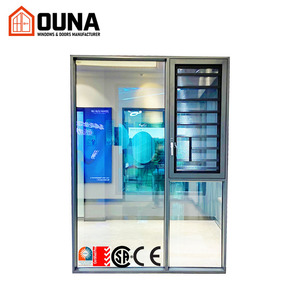
This reality positions precision-engineered aluminum jalousie (louver) windows not merely as an aesthetic preference, but as an indispensable engineering asset. Jalousie systems provide 100% directional airflow ventilation across the entire structural rough opening—nearly double the effective ventilation volume of traditional sliding windows (50% max aperture) and casement assemblies hindered by wind deflection angles. However, deploying louver fenestration within Sri Lanka’s demanding environment requires extraordinary manufacturing precision. Inferior aluminum alloys or substandard hardware clips result in chronic air leakage during driving monsoon rains, galvanic corrosion from airborne chlorides, and blade rattling during high-velocity coastal squalls.
Technical Paradigm: Aerodynamic Rain Infiltration & Passive Buoyancy Cooling
DERCHI's aluminum jalousie assemblies integrate custom dual-extrusion internal guttering and precision-machined EPDMSantoprene blade-edge gaskets. When calibrated to a 45-degree angle, the aerofoil blades induce a Venturi pressure differential: expelling buoyant internal ambient heat through convective uplift while strictly rejecting downward monsoon downpours exceeding 120 mm/hr. The integration of 6063-T5 structural aluminum guarantees deflection resistance against cyclonic gust pressures up to 3000 Pa, directly satisfying both Sri Lankan Urban Development Authority (UDA) criteria and international AS 2047 fenestration benchmarks.
As tier-1 direct manufacturers based in Foshan, China—the global epicenter of high-performance architectural aluminum processing—we deliver purpose-engineered louver systems and complementary architectural doors to property developers, boutique hotel hoteliers, MEP engineering consultants, and commercial building contractors throughout the Western, Southern, and Central provinces of Sri Lanka.
Engineered Local Application Scenarios Across Sri Lanka
Tailoring extrusion alloys, surface passivation coatings, and blade configurations to the divergent climatic stress points of Sri Lanka's micro-zones.
Coastal Luxury Resorts & Ocean Villas
Confronted with severe marine aerosol, high salinity, and abrasive windblown beach sands. DERCHI specifies fluorocarbon PVDF coatings (exceeding AAMA 2605 criteria) or Class I architectural anodizing (≥25μm), coupled with Grade 316 marine stainless steel gear linkages to eliminate corrosion pitting and operational seizure.
Urban High-Density High-Rises
Metropolitan mid- and high-rise condominiums require controlled natural ventilation without acoustic vulnerability. Combining 8mm tempered acoustic laminated glass blades with multi-point perimeter clamping systems provides an internal ambient air recharge of 15 m³/h while isolating downtown urban decibels.
Central Highlands Eco-Boutique Estates
Highland locations experience extreme diurnal temperature fluctuations, mist saturation, and driving montane orographic rains. Integrated thermal barrier aluminum framing systems alongside insect-proofing stainless steel 304 security mesh ensure constant condensation evacuation without allowing thermal heat bleed or pests.
Public Infrastructure & Commercial Complexes
Demands maximum duty cycles, impact resistance, and zero maintenance overheads. Standardized motorized jalousie banks interconnected with building automation systems (BMS) for passive emergency smoke evacuation protocols and nighttime automated building envelope cooling flushing.
Engineering Specifications: Standard Market vs. DERCHI Tropical Grade
A granular side-by-side technical evaluation illustrating the difference between generic consumer louvers and export-grade structural fenestration systems.
| Component / Engineering Metric | Common Sri Lanka Domestic Market Units | DERCHI Export Architectural Grade | Tropical Engineering Advantage |
|---|---|---|---|
| Aluminum Alloy Formulation | Recycled / Secondary 6063 Aluminum (Variable Temper) | 100% Virgin Extruded 6063-T5 / 6063-T6 Structural Profile | +45% Tensile Yield Eliminates frame sagging and racking under wind shear. |
| Frame Wall Thickness | 1.0 mm – 1.2 mm nominal | 1.8 mm – 2.5 mm Heavy Duty Structural Gauge | Prevents deflection across large spans up to 3.2m floor-to-ceiling heights. |
| Surface Treatment & Salt Mist Defense | Standard Mill Finish or Commercial Powder (40–50μm) | AkzoNobel / PPG Interpon PVDF or Class I Anodized (≥25μm) | 4,000 hrs Salt Spray Zero blistering, chalking, or delamination in Galle/Colombo coasts. |
| Blade Fastening & Linkage Mechanism | Plastic or Low-Grade Zinc Alloy Pivot Clips | Heavy-Duty Extruded Aluminum Clips + SUS 316 Linkage Bars | Eliminates UV brittleness; smooth, synchronized silent rotation across 50,000+ cycles. |
| Weather Sealing & Gasket Resilience | Standard PVC Flaps or Raw Edge-to-Edge contact | Co-extruded EPDM Santoprene Continuous Compressible Seals | Complete resistance to monsoon water ingress at 450 Pa differential air pressure. |
| Structural Wind Load Rating | Non-Certified / Tested below 1200 Pa | AS 2047 Certified N6 Rating (Serviceability: 3000 Pa, Ultimate: 4500 Pa) | Tested for coastal typhoons and Indian Ocean cyclonic depressions. |
Emerging Architectural Trends Reshaping Sri Lanka’s Building Sector
Macroeconomic expansion, sustainable tourism development, and rising power tariffs are altering fenestration priorities across the island nation.
Net-Zero Energy & GREENSL® Compliance
With Sri Lanka’s grid electricity costs ranking among the highest in South Asia, developers are aggressively targeting Green Building Council of Sri Lanka (GBCSL) ratings. Incorporating multi-tier jalousie assemblies reduces mechanical HVAC operational hours by up to 38% annually via diurnal passive stack ventilation, particularly in low-carbon boutique hospitality developments.
Smart Automation & Microclimatic IoT Integration
Contemporary residences and luxury resorts in Weligama and Tangalle are moving away from manual crank levers toward 24V DC motorized concealed actuator systems. These units link directly into ambient rain and wind velocity sensors, automatically locking the louvers during sudden tropical squalls and reopening them immediately as ambient temperature rises.
Hybrid Glazing-Louver Integration
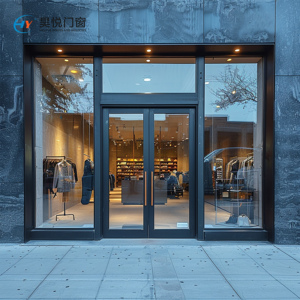
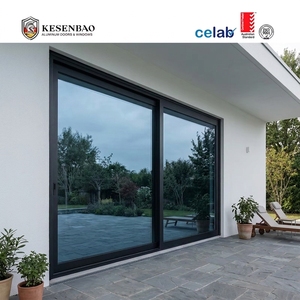
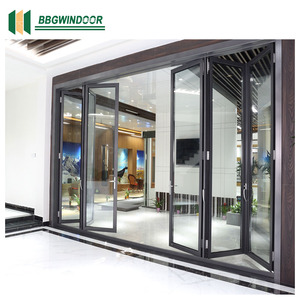
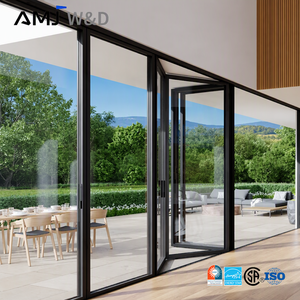
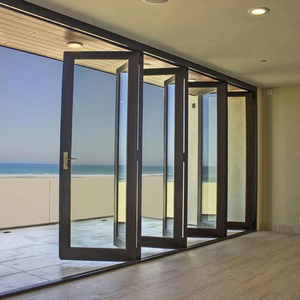
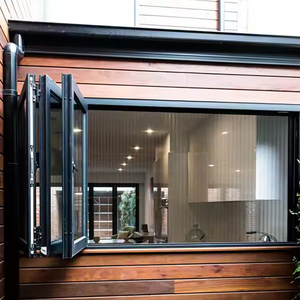
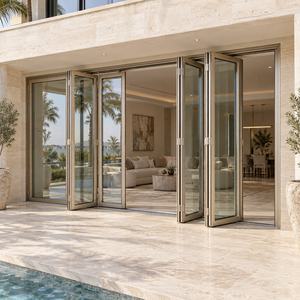
The definitive luxury architectural trend in Sri Lanka involves combining expansive multi-panel heavy-duty aluminum bifold or slim-frame sliding patio doors with flanked jalousie side-lites. This allows full unobstructed panoramic ocean views while maintaining secure, insect-screened nighttime ventilation without keeping main entry doors unlocked.
Why Leading Sri Lankan Developers Partner with DERCHI
Combining 25+ years of tier-1 precision fenestration manufacturing in Foshan, China with an international supply chain engineered for seamless customs clearance.
Industrial Scale & Fast Lead Times
Our expansive 180,000 square-meter production facility employs over 600 skilled technicians and advanced German CNC machining centers, delivering consistent project schedules and rapid 25-day production cycles for multi-container project schedules.
Comprehensive International Certifications
Holding AS 2047, CE, ISO 9001, and UL fire-rated accreditations, DERCHI provides project engineers and local municipal authorities in Sri Lanka complete technical compliance dossiers, acoustic test reports, and structural calculations.
Custom Architectural Engineering Support
Our dedicated engineering department creates complimentary CAD shop drawings, wind-pressure calculations, and BIM models customized directly to your window schedule, ensuring flawless structural integration on site.
Direct Sea Freight to Colombo Port
Strategic logistics directly out of South China deep-water ports (Nansha/Yantian) to Colombo Port (approx. 10–14 days ocean transit). Professional fumigated export timber crating guarantees zero glass scratching or profile warping in transit.
Frequently Asked Questions by Sri Lankan Importers & Contractors
Essential guidance on importing architectural aluminum systems, customs clearance, surface selections, and project handling.
Q What are the import procedures, HS codes, and tariffs for shipping to Sri Lanka?
Aluminum jalousie windows are commonly cleared under HS Code 7610.10.00 (Doors, windows and their frames and thresholds for doors, of aluminum). Sri Lanka Customs duties typically include General Customs Duty (PAL), CESS, and Standard VAT. DERCHI assists importers by providing structured commercial invoices, packing lists, and Certificates of Origin (Form A/CO) to streamline clearance at Colombo Port.
Q Which finish is recommended for coastal projects in Galle, Mirissa, or Trincomalee?
For buildings situated within 2 kilometers of the coastline, standard powder coating is strongly discouraged. We mandate fluorocarbon PVDF coatings (minimum 3-coat system) or Class I architectural anodizing with a thickness of no less than 25 microns. This configuration is tested to withstand over 4,000 hours of continuous accelerated salt spray testing without surface degradation.
Q How do DERCHI jalousie windows manage severe monsoonal driving rains?
Our systems incorporate high-performance overlapping blade geometry equipped with co-extruded EPDM Santoprene gaskets on both the top and bottom edges. The vertical jambs feature internal drainage collection channels that discharge driving rainwater out through pressure-balanced one-way weep holes, preventing internal siphoning even under wind speeds of 120 km/h.
Q Can we order completely knocked down (CKD) or semi-knocked down (SKD) units to optimize shipping?
Yes. To reduce sea freight volume and save on container space for large institutional or commercial housing projects, DERCHI supplies fully pre-machined CKD (Complete Knock Down) kits. All extrusion cutting, milling, and corner key hole punching are finished in our factory. Your local installation team can assemble them easily on site using our detailed assembly guides.
Q Are integrated insect screens and security security bars available with the louver units?
Absolutely. Sri Lanka’s climate necessitates reliable insect prevention without sacrificing ventilation. We engineer flush-integrated sub-frames fitted with high-tensile 304 or 316 stainless steel security mesh (0.8mm wire thickness). This screen repels mosquitoes and flying insects while resisting blade tampering, preserving the clean architectural lines of the building.
Q What is the standard manufacturing lead time and minimum order quantity (MOQ)?
Our standard production lead time is 25 to 30 days from final approved CAD shop drawings. Because we run automated production lines across our 180,000 sqm base, we accommodate flexible project scales: from custom high-end private villas requiring 30–50 square meters of fenestration, up to multi-container commercial hotel towers.
Ready to Engineer Your Sri Lankan Architectural Project?
Speak directly with our English-speaking senior fenestration engineers in Foshan. Send us your project schedules, opening elevations, or BOQ for complimentary CAD detailing, structural optimization, and direct factory CIF Colombo estimates within 24 hours.