High-Performance Aluminum Window & Glazing Systems
Engineered specifically to survive extreme winter snow loads, freezing Siberian blizzards, and harsh coastal humidity. Browse our heavy-duty systems built to certified GOST performance criteria.
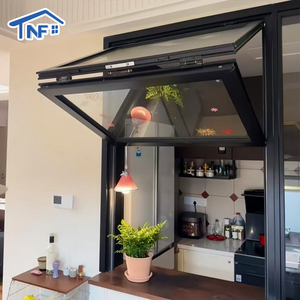
Modern Home Aluminium Tempered Glass Bi-Folding Windows Horizontal Local Window With Aluminum Alloy Frame Bifold Window Design
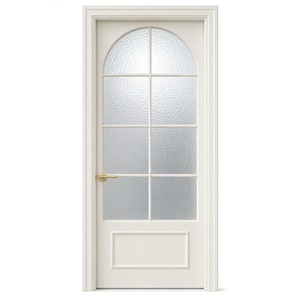
Custom Modern Aluminum Alloy Frosted Tempered Glass Finished Interior Door Waterproof Slab Bedroom Bathroom Apartment Hotel
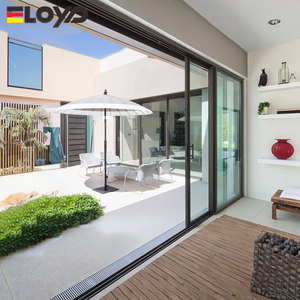
Eloyd Soundproof 12 Foot Multi Panel Aluminum Sliding Doors Tinted Lowes Sliding Glass Patio Doors Price
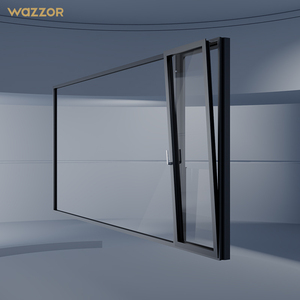
Wazzor Aluminum Window Manufacturers High-Quality Typhoon-Resistant And Energy-Saving Casement Windows Soundproof Windows
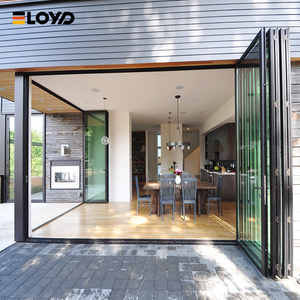
Eloyd Modern Design Tempered Glass Bifold Doors Aluminum Folding Patio Outdoor Sliding Vertical Bi-Folding Door for Villa
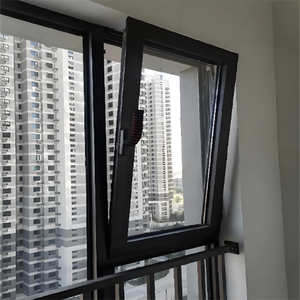
Aliinum Window Outdoor Swing Tilt and Turn windows Hurricane Impact Triple Glazing Casement windows
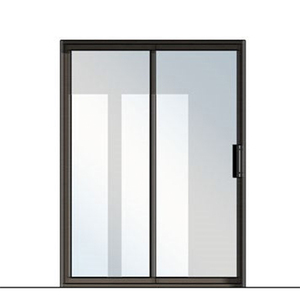
Modern Single Bronze Anodized Aluminium Glass Sliding Door 2500mm X 1600mm Doors Lists
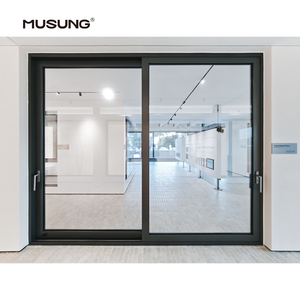
Residential House Commercial Heavy Duty Thermal Break Sliding Door Aluminum Lift and Slide Patio Glass Door
Engineering Aluminum Sunrooms for the Russian Federation
Installing aluminum glass structures in Russia requires an engineering approach entirely different from Western Europe or Southeast Asia. Our fenestration solutions account for the stringent demands of GOST 30674-99, GOST 23166-99, and local building climatology (SNiP 23-01-99*).
Mitigating Deep Freezing & Frost Heave
Standard architectural aluminum transfers sub-zero temperatures instantaneously, resulting in interior surface ice crusts and damaged seals. We utilize advanced multi-cavity thermal profiles equipped with 34mm to 42mm fiberglass-reinforced Polyamide (PA66 GF25) thermal breaks. Paired with co-extruded cellular EPDM perimeter gaskets, our systems eliminate thermal bridges, maintaining the inner surface temperature above the dew point even when external conditions plummet to -45°C in regions such as Novosibirsk or Krasnoyarsk.
Heavy Snow Load & Deflection Rigidity
Russian Building Codes (SP 20.13330.2016) classify large areas of the country under Snow Load Zones III through V, imposing loads from 180 kg/m² up to 320 kg/m². Our sunroom roof rafters, purlins, and transoms are extruded from high-tensile 6063-T6 aluminum alloys featuring structural internal web stiffeners. This delivers an exceptional moment of inertia (Ix > 180 cm⁴), ensuring that sloped glass facades and horizontal spans handle maximum snow accumulation without glass seal stress or structural deflection.
Condensation Control & Micro-Ventilation
Sealed winter environments experience elevated indoor relative humidity, leading to window dripping and mould. Our systems incorporate dual-slope concealed drainage channels within the bottom transoms, coupled with German-style micro-ventilation hardware. This allows trickle airflow for essential air exchange without opening the sash fully, preventing drafts, heat dissipation, and internal perimeter icing during the 7-month Russian heating season.
Where Our Systems Deliver Superior Value
From suburban settlements around Moscow to private coastal estates in Sochi, our thermal break systems provide flexible architectural configurations suited to diverse lifestyles and requirements.
Suburban "Cottage" Settlements (Kottedzhnyye Posyolki)
High-end suburban residential projects in the Moscow Oblast (Novorizhskoye, Rublyovo-Uspenskoye Shosse) and Leningrad Oblast widely feature year-round heated glass verandas and winter gardens. Our warm aluminum sunroom profiles facilitate uninterrupted panoramic views while reducing private gas-boiler or electric heating loads during sub-zero months.
Horeca Terraces in Saint Petersburg & Kazan
Commercial restaurants and boutique hotels in metropolitan centers require insulated, convertible exterior dining spaces. Utilizing our heavy-duty lift-and-slide doors and thermally insulated bi-fold window systems, hospitality operators transform outdoor summer terraces into fully sealed, snow-resistant glass pavilions during winter, safeguarding revenue year-round.
Coastal Microclimates (Sochi, Crimea, Vladivostok)
The humid subtropical regions of the Black Sea and the stormy maritime coastlines of the Russian Far East face high humidity, saline air, and intense gale-force winds. Our Qualicoat Seaside-grade bronze anodized coatings and AS 2047 N6 certified frames resist salt-spray corrosion and eliminate water infiltration during heavy coastal downpours.
Technical Performance: Arctic-Ready Aluminum Systems
Direct comparative performance specifications demonstrating thermal transfer coefficients, structural load capacity, and sealing thresholds aligned with Russian GOST requirements.
| Performance Parameter | Russian Standard (GOST / SP) | DERCHI Heavy-Duty Arctic Class | Impact on Russian Installations |
|---|---|---|---|
| Thermal Transmittance (U-Value) | Uf ≤ 1.4 W/(m²·K) (Zone II) | Uf = 0.98 – 1.2 W/(m²·K) | Exceeds heat retention thresholds; minimizes energy consumption and condensation. |
| Thermal Break Configuration | Polyamide strip ≥ 24mm | 35mm – 42mm PA66 GF25 | Provides deep multi-chamber barrier preventing sub-zero transfer across metal boundaries. |
| Glass Package Configuration | Double glazing minimum | Triple Glazing (6LowE + 16Ar + 6 + 16Ar + 6LowE) | Filled with 90% Argon gas; warm-edge composite spacers eliminate thermal bridging. |
| Wind Load Resistance | Class B or C (> 1500 Pa) | Class A / AS 2047 N6 (> 4500 Pa) | Engineered to withstand sudden Baltic and Far Eastern hurricane-force wind gusts. |
| Air Permeability Rating | GOST Class A (< 3.5 m³/h·m) | European Class 4 (< 0.75 m³/h·m) | Triple continuous vulcanized EPDM seals block freezing drafts and airborne dust. |
| Hardware Endurance Cycle | 20,000 operation cycles | 100,000+ certified test cycles | Heavy-duty German-spec stainless hinges and multi-point gears resist icing seizures. |
Emerging Sunroom & Glazing Trends in Russia
Key developments in private and commercial architecture shaping procurement priorities across the Russian Federation.
1. Transition from PVC to Slim Warm Aluminum
Architects across Russia are transitioning away from bulky PVC profiles for large glazed areas. Plastic frames suffer significant thermal expansion and contraction across -40°C to +35°C temperature swings, leading to sash sagging and drafty seals. High-strength aluminum delivers narrow sightlines with structural rigidity, supporting expansive, floor-to-ceiling glass without mechanical failure.
2. Heated Multi-Functional Winter Terraces
The conventional unheated "dacha veranda" is being replaced by fully integrated, year-round sunrooms featuring underfloor heating, automated roof shades, and ventilation. Homeowners demand continuous thermal continuity between the main house and the glass extension, making multi-chamber thermal breaks and triple-glazed Low-E packages standard requirements.
3. Integrated Security & Anti-Vandal Glass
Given the secluded nature of suburban settlements, ground-floor sunroom windows require advanced burglary protection. Demand has surged for laminated security glass (Triplex 4.4.2 or 5.5.2) coupled with perimeter mushroom-cam locking points and heavy-duty locking handles that achieve European RC2/RC3 anti-intrusion standards.
Why Russian Developers & Importers Partner with Us
Guangdong Dejiyoupin Doors and Windows Co., Ltd. (DERCHI) combines industrial scale with engineering customization, delivering certified structural fenestration systems tailored to severe climates.
180,000㎡ Production Scale
Our expansive industrial base houses automated CNC extrusion, precision thermal break crimping lines, and double/triple glazing assembly facilities, guaranteeing timely production for commercial developments and estate complexes.
Certified Quality Standards
Our systems hold CE, ISO 9001, AS 2047 N6, and UL certifications, backed by over 100 technology and design patents. All products undergo comprehensive air, water, and static structural load testing before leaving the factory.
Bespoke Shop Drawings
Our dedicated engineering department provides complimentary CAD and BIM shop drawings aligned with your opening schedule. We customize structural wall thicknesses, thermal break depths, glazing thickness, and RAL color finishes.
Reliable Export Logistics
We provide heavy-duty export packaging, including reinforced fumigated wooden crates, corner protectors, and moisture-barrier film. Our shipping team supports rail freight via Manzhouli/Zabaikalsk and sea routes to Vladivostok, Novorossiysk, or Saint Petersburg.
Frequently Asked Questions by Russian Buyers
Technical, logistical, and structural answers addressing direct questions from Russian architects, developers, and import managers.
Q: How do your aluminum sunrooms prevent structural freezing at -40°C?
Our systems incorporate a wide multi-cavity thermal break configuration utilizing 35mm to 42mm PA66 GF25 polyamide strips. This design physically isolates the exterior aluminum frame from the interior profile. Combined with triple-pane Low-E glass packages filled with Argon gas and composite warm-edge spacers, interior frame surface temperatures remain well above condensation and frost thresholds under harsh sub-zero conditions.
Q: Can your sloped roof profiles withstand heavy Siberian snow loads?
Yes. Our sunroom roof rafters are engineered with reinforced internal structural webs in 6063-T6 aluminum, providing moments of inertia exceeding 180 cm⁴. For regions in Russian Snow Load Zones IV and V, we integrate concealed steel channel reinforcements inside the aluminum profiles, safely carrying loads greater than 250–300 kg/m² without exceeding deflection limits.
Q: What glass packages do you recommend for Central and Northern Russia?
We recommend a 44mm to 52mm triple-glazed configuration: 6mm tempered outer glass + 16mm warm-edge spacer with 90% Argon gas + 5mm tempered middle float + 16mm Argon spacer + 6mm interior Low-E glass. For roof installations, we always specify laminated safety glass (Triplex) on the interior face to prevent injury in case of accidental impact.
Q: Are your powder coating finishes resistant to peeling during rapid freeze-thaw cycles?
Yes. All profiles are finished using certified AkzoNobel or PPG architectural powder coatings applied over pre-treated aluminum, meeting Qualicoat Class 2 standards. They withstand intense UV exposure, sudden seasonal temperature swings (-45°C to +35°C), and road salt de-icing mists without cracking, chalking, or flaking.
Q: How are oversized units packed to prevent damage during long-distance transit?
Every profile is wrapped in scratch-resistant protective film, fitted with corner edge guards, and crated inside fully enclosed, fumigated solid-timber boxes with internal shock cushioning. Glass units are packed on dedicated A-frames with moisture-absorbing desiccant packs, engineered to endure intermodal sea and Trans-Siberian rail transport.
Q: Do you provide installation guidance and CAD shop drawings for local Russian contractors?
Yes. Our in-house engineering team provides complete 2D/3D CAD shop drawings, connection detail schematics, anchor point layouts, and structural drainage diagrams. We also supply translated installation manuals, step-by-step video tutorials, and remote video consultation to ensure seamless on-site assembly by local teams.