Curated Architectural Aluminium-Wood Entry Collections
Explore our export-certified exterior entrance solutions engineered with thermal-break aluminium extrusions, hand-selected luxury timbers, precision pivot hinges, and multi-point perimeter vault locking mechanics.
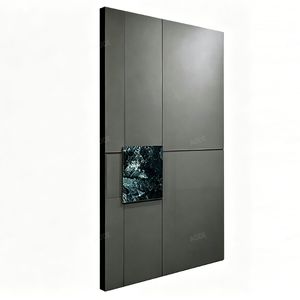
Modern Minimalist Aluminum Pivot Entry Door With Marble Inlay Waterproof Anti-Theft Door
- Core System: Alu-Wood + Natural Stone
- Hardware: German Pivot 500kg Bearing
- Water Tightness: Class 9A (600 Pa)
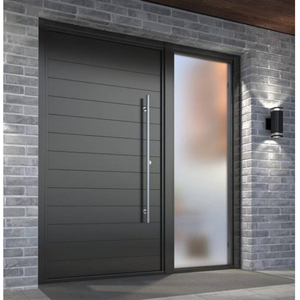
European Style Cast Aluminum Entrance Pivot Door Artisan Handmade Composite Security Door
- External Face: Cast Aluminium 12mm Relief
- Interior Wood: Solid Burma Teak Finish
- Wind Resistance: AS 2047 Class N6
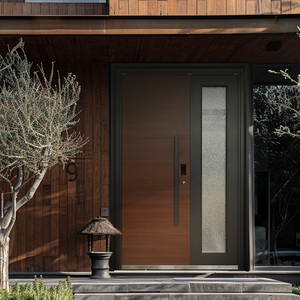
High-end Design Anti-burglary Aluminum Wooden Security Entry Door Armoured Metal Door
- Internal Armor: 2.0mm Galvanized Steel Core
- Thermal Rating: U-Value 1.1 W/(m²·K)
- Lock Grade: Class C Multi-Point Bolt
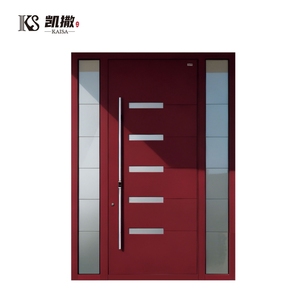
Modern Swing Opening Front Entry Doors Wood Aluminum Alloy Metal Iron Exterior Security Doors
- Configuration: Concealed 3D Adjustable Hinge
- Acoustic Rating: Sound Reduction Rw 42 dB
- Weatherstripping: Triple EPDM Automotive Seal
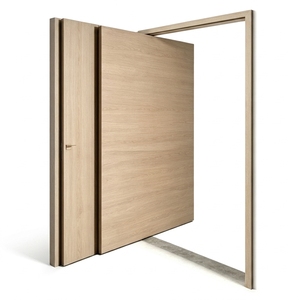
Exterior Doors Aluminum Alloy Minimalist Modern Pivot Wood Grain Villa Apartment Door
- Exterior Finish: Fluorocarbon Wood Sublimation
- Thermal Break: PA66GF25 Insulating Strut
- Certification: CE, AS 2047, ISO 9001
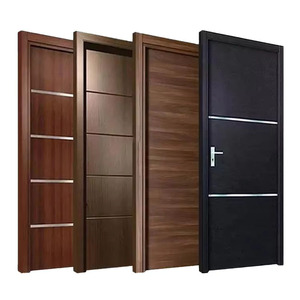
Advance Modern Solid Wood White Front Entry Door Clad with Thermal Aluminum
- Interior Timber: North American FAS White Oak
- Outer Shell: Corrosion-Resistant Powder Coat
- Application: Modern Coastal Residences
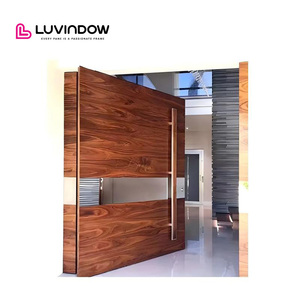
Large Front Door Low-E Glass Exterior Aluminum Modern Front Entry Wooden Pivot Door
- Glazing Unit: Triple Low-E Toughened Glass
- Frame Profile: 98mm Deep Clad Section
- Solar Heat Gain: SHGC 0.28 (High Efficiency)
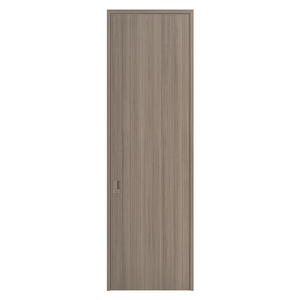
Aluminum Wood Doors for Home Renovation Sound Insulated Durable Entry Solutions
- Core Insulation: High-Density Aerogel & PU
- Fire Rating: UL 10C / 60 Min Fire-Rated
- Air Permeability: Class 4 (EN 12207)
The Engineering Science of Modern Aluminium-Wood Composite Doors
Why international architects and structural consultants favor hybrid composite assemblies over pure timber or standard cold-extrusion metal doors for high-end residential and hospitality envelope design.
Weather-Defying Exterior Armor
The exterior exposure incorporates aerospace-grade 6063-T6 or 6060-T66 primary aluminium profiles finished with AkzoNobel fluorocarbon (PVDF) electrostatic coatings or marine-grade anodization (25μm). It offers unyielding resistance against severe tropical UV degradation, acid rain, and coastal salt-spray corrosion (tested over 3,000 hours ASTM B117 salt fog testing) without cracking, peeling, or fading.
Biophilic Interior Timber Selection
Inside the residence, occupants experience the tactile warmth of natural, sustainably sourced hardwoods—including FSC-certified North American Black Walnut, White Oak, and aged Burmese Teak. Timbers undergo rigorous multi-stage kiln drying to achieve an equilibrium moisture content of 8% to 12%, preventing seasonal warping, delamination, or checking even across dynamic indoor climates.
Thermal Decoupling & Acoustic Barrier
The interior timber and outer aluminium extrusions are mechanically interlocked using low-thermal-conductivity German Technoform polyamide PA66GF25 composite thermal break struts. This eliminates direct thermal bridging, achieving ultra-low system U-values down to 0.95–1.2 W/(m²·K), while multi-cavity EPDM automotive perimeter seals yield sound insulation up to Rw 42dB.
Engineering Benchmark: Aluminium-Wood vs. Conventional Alternatives
Empirical performance data from accredited international laboratory testing (AS 2047, EN 14351-1, and ASTM standards) validating why hybrid doors maximize long-term life-cycle value.
| Performance Metric | DERCHI Aluminium-Wood Hybrid | Solid Natural Hardwood Door | Standard Thermal Break Aluminium | Hollow Core Steel Security Door |
|---|---|---|---|---|
| Thermal Insulation (U-Value) | 0.95 - 1.20 W/(m²·K) | 1.80 - 2.40 W/(m²·K) | 1.40 - 1.90 W/(m²·K) | 2.20 - 3.10 W/(m²·K) |
| Wind Load Resistance | AS 2047 N6 (Cyclone Rated >4500Pa) | Class 3 (~2000 Pa) | Class 4 (~2500 Pa) | Class 4 (~2500 Pa) |
| Humidity & Tropical Warpage | Zero Distortion (Floating Clad) | High risk of swelling & sticking | Zero swelling | Prone to internal rust condensation |
| Acoustic Attenuation (Rw) | 38 dB - 44 dB (Multi-Layer Core) | 28 dB - 32 dB | 30 dB - 35 dB | 24 dB - 29 dB |
| Aesthetic Interior Value | Natural Artisan Hardwood Veneer | Natural Wood | Cold Metallic / Powder Coated | Industrial / Painted Finish |
| Maintenance Cycle | Zero Exterior Re-staining Needed | Annual oiling & varnish overhaul | Occasional wipe down | Frequent anti-rust re-coating |
Future Trends Shaping Aluminium & Wood Front Door Procurement
As commercial developers, villa contractors, and overseas distributors modernize their fenestration sourcing strategies, several fundamental structural and design shifts are reshaping door manufacturing specifications.
1. Monumental Oversized Pivot Formats
Standard 2.1-meter single swing doors are increasingly superseded in luxury estates by monumental pivot doors reaching heights of 3.5 to 5.0 meters and widths up to 2.2 meters. These dynamic systems demand internal anti-sag tension rod engineering, high-load German FritsJurgens or dormakaba concealed bottom pivot boxes rated up to 600kg, and precision aerodynamic damping to safeguard user operation.
2. Net-Zero Energy & Passive House Certification
With tightening environmental mandates such as Europe's EPBD, US Title 24, and Singapore’s BCA Green Mark Platinum, front entry doors must contribute directly to whole-building thermal envelope ratings. Buyers are turning to vacuum-insulated core panels, polyurethane aerogel composites, and triple/quadruple argon Low-E glazing with warm-edge Swiss spacers to prevent unwanted thermal conductance.
3. Smart Biometrics & Concealed Automation
High-end architectural hardware is shifting away from physical keys. Modern hybrid doors integrate hidden motorized multi-point locks (such as Siegenia or KFV Genius), invisible 3D facial recognition, mobile Bluetooth/NFC beacons, and automated magnetic drop seals. Crucially, wiring harnesses and emergency battery backups are routed cleanly within factory-CNC-milled internal channels.
Why Global Developers Choose DERCHI as Their Direct Manufacturing Partner
Operating from our modern 180,000-square-meter manufacturing campus in Foshan, Guangdong, Dejiyoupin Doors & Windows Co., Ltd. (DERCHI) combines industrial-scale capacity with bespoke architectural craftsmanship.
Comprehensive Testing & Global Compliance
Our hybrid doors have undergone exhaustive testing and certification for international regulatory compliance: AS 2047 Class N6 (Australian cyclonic wind and water tightness), CE EN 14351-1, ISO 9001 quality management, and UL 10C / NFPA 252 fire-rated standards. Following celebrated showcases at events like WORLDBEX in Manila, our products have become preferred benchmarks across the United States, Canada, the Middle East, Southeast Asia, and Australia.
Turnkey Engineering & Factory Pre-Hung Systems
Eliminate site assembly errors. DERCHI engineers supply complimentary 2D shop drawings and 3D BIM models coordinated with your structural openings. Doors are completely pre-hung, square-squared, and hinge-aligned in our workshop, then shipped in fumigated, steel-strapped OSB sea-freight crates with labeled floor-by-floor schedules, hardware boxes, and comprehensive bilingual installation guides.
Frequently Asked Questions on Importing Aluminium-Wood Front Doors
Technical, logistical, and commercial answers for developers, quantity surveyors, facade consultants, and wholesale importers sourcing custom fenestration directly from China.
How do you prevent differential thermal expansion between wood and aluminium?
Aluminium and solid timber possess drastically different coefficients of thermal expansion. In DERCHI systems, the outer aluminium cladding is never rigidly glued or nailed to the timber substrate. Instead, we utilize patented high-strength nylon slide-clip fixations. This "floating connection" provides controlled dimensional travel during extreme thermal cycling (-30°C to +80°C) without internal structural stress or door slab bowing.
What moisture stabilization protocol is applied to the interior solid wood?
Raw hardwoods undergo computerized vacuum kiln seasoning followed by a minimum 90-day natural ambient stabilization period in controlled warehouse environments. Timber moisture content is verified between 8% and 12% prior to precision 5-axis CNC machining. All timber surfaces are sealed with 4 coats of eco-friendly German Remmers waterborne microporous stain to repel moisture while allowing the wood to breathe.
Can DERCHI doors be engineered to satisfy strict local cyclone or typhoon codes?
Yes. Our heavy-duty architectural pivot and swing entrance systems have passed AS 2047 Class N6 criteria, which is the highest international structural grade for cyclonic wind loads. We engineer custom profiles with internal reinforcing steel spines, laminated multi-layer hurricane-resistant SentryGlas (SG) interlayers, and multi-point deadbolt locks that withstand wind pressures exceeding 4,500 Pascals.
What are the standard production lead times and sample availability?
Full CAD shop drawings are delivered within 48 to 72 hours following receipt of architectural opening schedules. Bespoke prototype and sample door manufacturing requires 15 to 20 days. Volume container orders (20GP/40HQ) are fabricated within 25 to 35 working days. Pre-shipment video inspections and comprehensive laboratory third-party QC reports are submitted before balance payment.
How are the doors packaged to prevent damage during international ocean transit?
Every single door assembly is wrapped in high-density polyethylene protective film, padded with closed-cell EPE foam corner bumpers, and placed into moisture-sealed barrier bags. The units are then secured inside heavy-duty, fumigated non-coniferous OSB timber crates with internal structural bracing. This guarantees zero surface abrasion, moisture ingress, or impact damage across lengthy sea voyages.
What warranties and ongoing technical after-sales support do you provide?
DERCHI provides a comprehensive 10-year warranty covering the structural integrity of aluminium-wood composite profiles and glass seals, and a 5-year warranty on mechanical hardware and pivot systems. We maintain dedicated bilingual project engineering teams that provide remote video installation guidance, replacement components dispatch via DHL express, and on-site support for large commercial projects.
Partner with China's Premier Door Engineering Authority
Whether you require custom shop drawings for an ultra-luxury private villa or volume manufacturing for an upcoming resort community, our engineering consultants in Foshan are prepared to review your schedule and provide an optimized technical proposal within 24 hours.