Featured Aluminium Fancy Door Systems (Top 8 Selections)
Precision-engineered with aviation-grade 6063-T6 primary extrusions, continuous multi-cavity thermal breaks, and commercial-grade architectural finishes built for tropical high-humidity, cyclonic windloads, and ultra-luxury residential aesthetics.
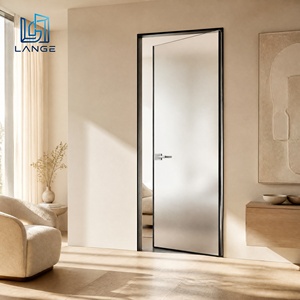
LANGE Invisible Hinge Aluminum Interior Casement Door
Ultra-narrow structural sightline incorporating completely concealed 3-axis adjustable German hinges and acoustic laminated tempered glass for flush architectural framing.
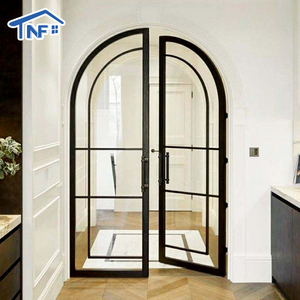
Custom Slim Aluminum Crittall Style Arched French Doors
True structural arched aluminum framework offering iconic Crittall geometric transoms with argon-filled low-E insulated glass units for heritage patio installations.
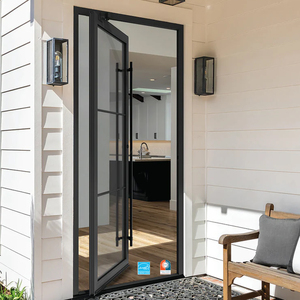
AMJ NFRC Energy-Saving Architectural Aluminum Pivot Door
Engineered for grand entrances up to 4 meters tall, featuring perimeter airtight drop seals, heavy-duty floor hydraulic pivots, and multi-chamber thermal core insulation.
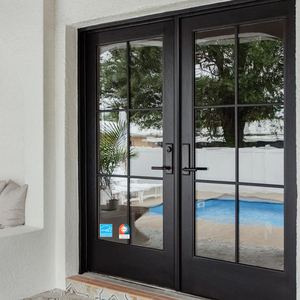
AMJ NFRC Tempered Glass Swing French Casement Door
High-precision dual-rebate swing door with multi-point German driving gear, Grade A toughened security glass, and architectural electrolytic bronze finish.
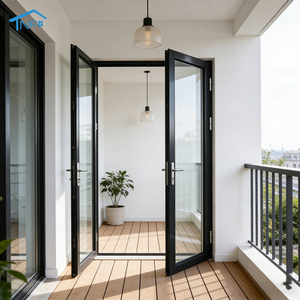
Foshan CE Modern Structural Aluminum Swing Entry Door
Reinforced 3.0mm wall profile designed for residential estates and boutique commercial entrances with seamless corner crimping and UV-stable architectural coatings.
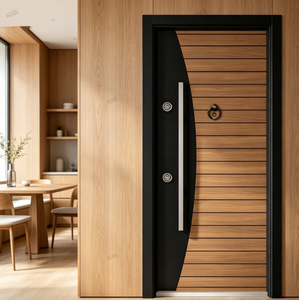
AODE Cast Aluminum Anti-Theft Armored Exterior Door
Monolithic high-density 8mm carved cast aluminium slab with aviation-grade honeycomb core and explosion-proof multi-directional locking mechanisms.
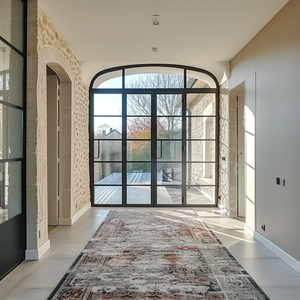
Beigeman European Double Glazed Flush Casement Door
European coplanar styling featuring flush sash-to-frame alignment, triple EPDM vulcanized sealing gaskets, and specialized privacy satin etched acoustic glass.
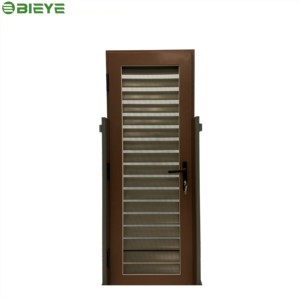
Custom Blackout Heat-Insulated Aluminum Louver Door
Engineered extruded aerodynamic louvers packed with polyurethane foam cores, offering dual benefits of 100% optical blackout, acoustic dampening, and cross-ventilation security.
Evaluating Top 10 Aluminium Fancy Door Manufacturers
To specify the ideal manufacturer for multi-million-dollar villas, five-star resorts, and master-planned townships, façade consultants and real estate procurement teams measure suppliers against five non-negotiable engineering criteria.
| Evaluation Parameter | Tier 1 Smart Factories (e.g., DERCHI) | European System Brands | Local Regional Fabricators |
|---|---|---|---|
| Alloy Metallurgy & Billet Purity | Virgin 6063-T6 Primary Ingot (Si 0.2-0.6%, Mg 0.45-0.9%) | Virgin 6060-T66 / 6063-T6 Structural Profile | High % Recycled Scrap (Risk of internal pitting & warping) |
| Structural Windload Tolerance | Tested to AS 2047 N6 (≥4500 Pa) Cyclonic Standards | EN 12210 Class C5 / ASTM E330 Custom Tested | Typically untested or limited to ≤1200 Pa |
| Thermal Break Technology | PA66 GF25 Polyamide Bars + Integrated Polyurethane Foam | Modular Technoform Polyamide Thermal Barriers | Uninsulated solid hollow aluminum or low-grade PVC bridges |
| Pivot & Hinge Hardware Load | Heavy-Duty Hydraulic Pivots (Load rating: 400 kg – 1000 kg) | FritsJurgens / Dormakaba Concealed Pivot Core | Generic butt hinges (Limited to ≤120 kg, prone to sagging) |
| Surface Finish Durability | Qualicoat Class 2 / AkzoNobel Fluorocarbon PVDF (≥30 Years) | AAMA 2605 / Seaside Class Qualicoat Certified | Standard domestic spray powder (<500 hrs salt-spray resistance) |
| BIM & CAD Engineering Integration | Full 3D Shop Drawings, Revit BIM Files, Custom CNC Pre-milling | Proprietary Logical/SchüCal Software Integration | Basic 2D sketches or manual on-site profile cutting |
1. Structural Load & Cyclonic Deflection
Large-format luxury fancy doors (such as 3.5m pivot slabs) experience massive deflection under severe wind loads. Tier-1 manufacturers calculate Moment of Inertia (Ix, Iy) and incorporate internal steel reinforcement cores to ensure deflection remains below L/175 according to international façade safety codes.
2. AAMA 2605 Architectural Surface Chemistry
Coastal microclimates in Southeast Asia, the Middle East, and Florida degrade inferior finishes within months. Leading manufacturers deploy high-performance PVDF (Polyvinylidene Fluoride) coatings carrying 70% Kynar 500 resin, resisting over 4,000 hours of continuous salt-spray exposure with zero film delamination.
3. Acoustical & Thermal Barrier Synthesis
By combining multi-chamber thermal breaks filled with aerogel or high-density EPS insulation and double/triple insulated glass units featuring acoustic PVB interlayer sheets, high-end fancy doors achieve Sound Transmission Class (STC) ratings above 42 dB and U-factors as low as 1.1 W/m²·K.
Procurement & Technology Trends Shaping the Industry (2026–2030)
The aluminium door landscape is moving rapidly away from heavy, clunky metal barriers toward smart, ultra-minimalist, carbon-neutral entrance statements engineered for sustainability and digital access control.
1. Ultra-Slimline "Invisible" Architectures
Modern architectural aesthetics demand near-zero visual frames. Systems with 16mm to 21mm ultra-narrow visible stiles and completely concealed sub-frames recessed into wall plaster are replacing traditional heavy architraves. The visual boundary between interior living and exterior landscapes is eliminated without sacrificing structural integrity.
2. Concealed Smart Biometrics & Automation
Procurement contracts now regularly stipulate smart access embedded directly inside the aluminum extrusion. Integrated face recognition, 3D palm vein scanning, smartphone BLE (Bluetooth Low Energy) keyless entry, and concealed motorized multi-point latches are integrated directly with building automation systems (KNX, Crestron, Control4).
3. Factory-Direct Modular Consolidation
High shipping rates and overseas site labor costs have created a surge in demand for factory-assembled, pre-hung "Plug & Play" door systems. Rather than sourcing frames, panels, and imported German locking gears separately, developers save up to 35% in logistics and installation hours by procuring fully assembled modules directly from intelligent Foshan manufacturing bases.
4. Low-Carbon Circular Aluminium (ASI Certified)
With LEED, BREEAM, and Green Mark rating systems penalizing embodied carbon, tier-1 suppliers utilize aluminium billet extruded using hydropower rather than coal power, cutting carbon intensity from 16 kg CO²/kg down to below 4.0 kg CO²/kg. Environmental Product Declarations (EPDs) are rapidly becoming compulsory in international project bidding.
Engineering Excellence: The DERCHI Advantage
Recognised as an industry leader in China's door and window manufacturing hub (Foshan), DERCHI combines 25+ years of craft legacy with German CNC automated milling lines, catering to elite architectural projects across Southeast Asia, North America, Australia, and the Middle East.
- 180,000 ㎡ Intelligent Production Hub
- 600+ Skilled Technicians & Façade Engineers
- AS 2047 N6, CE, ISO 9001 & UL Fire Rated
- 100+ Structural & Design Patents
- WORLDBEX Philippines Featured Brand
- GMT+8 Real-Time Technical Project Support
Direct Engineering Consultation
Fast-track your procurement schedules. Submit your schedule of openings or CAD blueprints for an itemized structural proposal and cost analysis within 24 hours.
Inquire NowFrequently Asked Questions on Aluminium Door Procurement
Actionable answers to technical questions commonly raised by architectural consultants, structural engineers, real estate developers, and international importers.
Q1 Why is primary 6063-T6 aluminium alloy preferred over secondary or recycled scrap billets?
Q2 How do fancy aluminium pivot doors prevent air infiltration and water leaks during monsoons?
Q3 What surface treatment should be specified for high-salinity beachfront villas?
Q4 What is the standard lead time for customized architectural fancy doors from Foshan factories?
Q5 Can factory-manufactured doors integrate with smart building protocols (KNX, BACnet, Zigbee)?
Q6 How are heavy architectural doors packed to eliminate damage during ocean container transport?
Q7 What documentation should our procurement department demand before issuing a production deposit?
Q8 What are the distinct advantages of cast aluminium doors compared to glass-insert fancy doors?
Ready to Engineer Your Architectural Door Schedule?
Connect directly with our Foshan façade engineering team. Get free shop drawings, certified structural calculations, and factory-direct pricing for your custom villa or commercial development.
Inquire Now